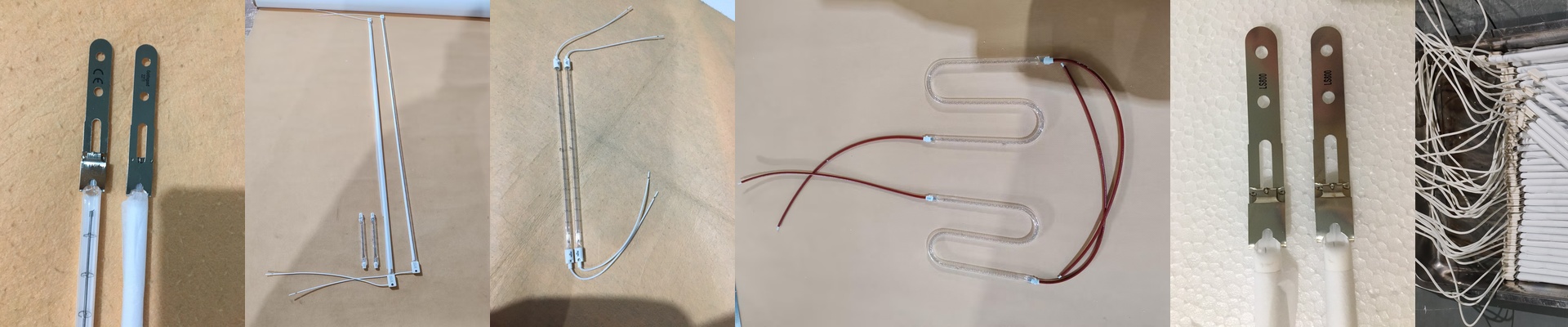

Stop Guessing With Your Heat: Making Textile IR Lamps Actually Smart
Let’s be honest about standard textile IR lamps. For the longest time, they’ve been pretty “dumb.” You wire them in, set a timer or a thermostat, and then you just… hope for the best. You wait for them to burn out. But here’s the problem: when a tube pops in the middle of a run, your heat uniformity goes out the window. Suddenly, you’re staring at a pile of scrapped fabric. It’s frustrating, it’s wasteful, and it’s honestly outdated. We’re finally seeing a shift where the lamp actually tells us what’s going on.
The Gritty Reality of the Hardware
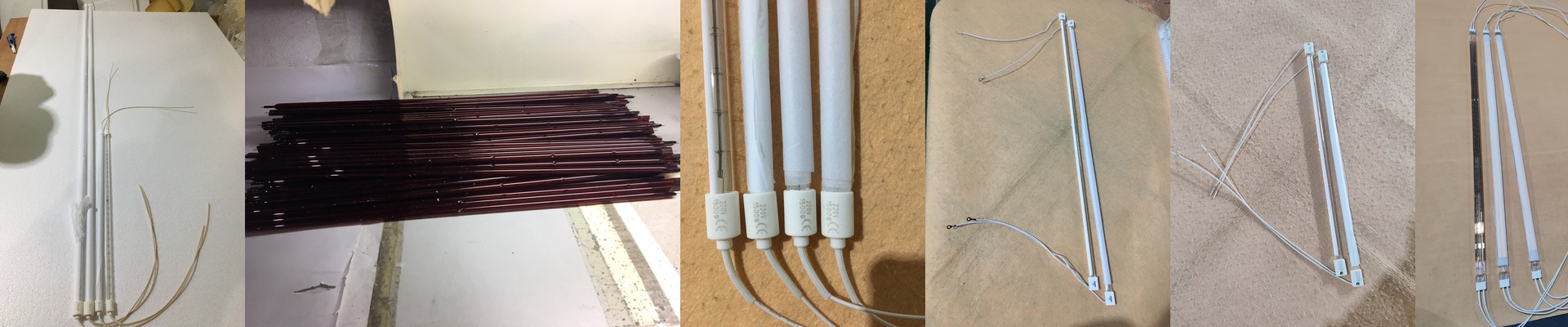
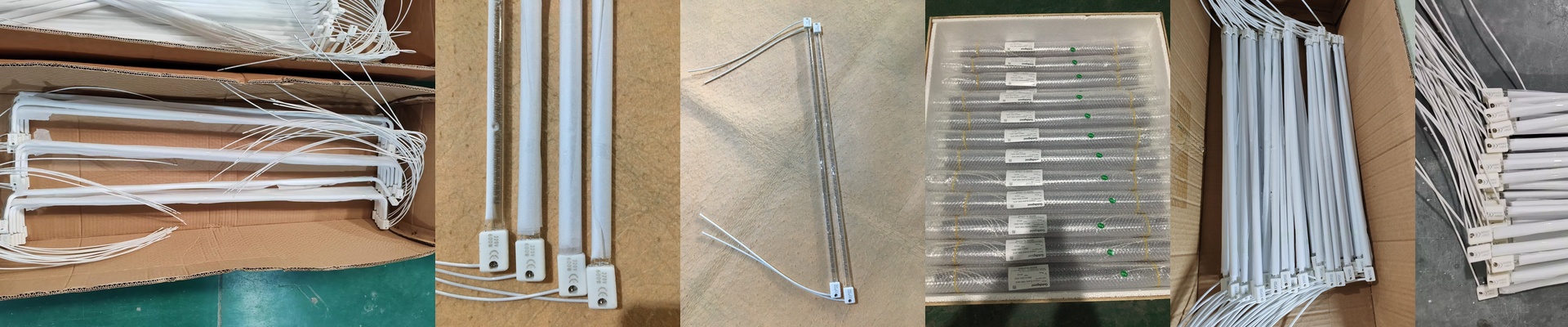
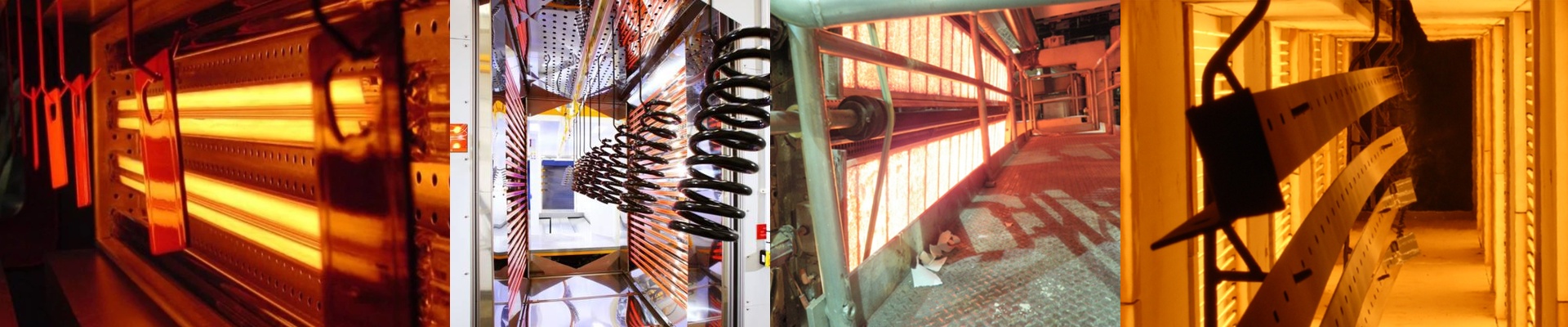
If you’re working with high-performance lamps, you know it’s all about that balance of wattage and length to keep the surface temperature just right. When you’re using a short-wave quartz tube, you’re pushing a massive amount of energy into those fibers. That means your voltage has to be spot on. If the power dips even a little bit, it doesn’t just slow things down. It actually changes how the heat penetrates the fabric, which messes with your bond or your dry rate. It’s a delicate balance.
Getting the Lamp to “Talk”
So, how do we fix this? We stop relying on on/off switches and start looking at real-time data. By adding smart controllers or sensors to keep an eye on the current draw and spectral output, the lamp can basically tell you when it’s getting tired. Instead of just swapping out every tube every six months because the calendar says so, the system flags you when a filament is thinning. You get a heads-up before the tube actually blows. No more guessing. No more “hope this lasts until Friday.”
The Trade-off (Because Nothing Is Free)
Now, there is a catch. Electronics and extreme heat don’t get along. You can’t exactly shove a microprocessor inside a quartz envelope that’s hitting 600°C—it would melt instantly. Because of that, the “brains” have to live in the driver and the bus system. This means your setup takes up a bit more space and your wiring gets a little more crowded. You’re trading a simple electrical circuit for a networked system. Yeah, it costs more upfront. But compared to the cost of the entire line going dark unexpectedly? It’s a no-brainer. We’re heading toward a world where the machine just handles it—automatically adjusting the power load based on how healthy each individual lamp is. That’s a much better way to work.