Stop Wasting Your Heat: Why Your IR Reflector Actually Matters
Here is a common mistake I see all the time: engineers spend a fortune on high-wattage IR lamps, thinking more power equals better results. But power is only half the battle. The real secret is how you actually point that energy. If you aren’t thinking about your reflector geometry, you’re basically throwing money into the air. You end up with wasted energy and fabric that’s hot in some spots and barely warm in others.
Where is your heat actually going?
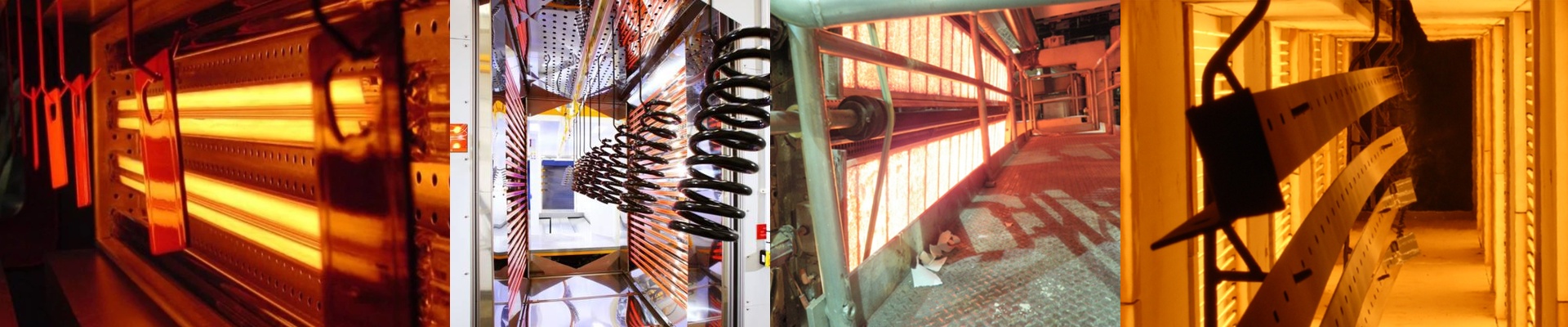
Think about it. An IR lamp pushes out energy in every direction. Without a reflector, half of that heat is just hitting your machine chassis. It’s a total waste. That’s where parabolic or elliptical reflectors come in. They grab those rear-facing photons and shove them back toward your fabric. But you have to get the curve right. A deep curve creates a tight, intense beam—perfect if you need to cure synthetic fibers fast. A shallower curve spreads the heat out, which is what you want for wide-web drying so you don’t accidentally scorch the material. And be careful. If your focal point is off by just a few millimeters? You’ll get hot spots that burn right through the cloth.
The trade-off: Speed vs. Stress
It sounds great to crank up the energy density because it lets you run your lines faster. But there’s a catch. When you squeeze all that power into a smaller area, you put a lot of stress on the lamp ends. If you’re tightening up your optical path, do yourself a favor and check your cooling fans. If the heat builds up too much, you’ll fry your connectors or crack the quartz envelope. Not a fun way to spend a Tuesday.
Finding the right balance
You can’t have it all. You can’t have a massive coverage area and extreme heat density at the same time. You have to pick your poison. My advice? Go with a modular reflector setup. That way, you can just swap the geometry depending on the weight of the fabric (the GSM) you’re running that day. Pair that with a solid PID controller. It keeps things steady so your increased energy doesn’t overshoot the target temperature and ruin your batch.