Stop Just “Heating” Your Fabric—Start Controlling It
Look, getting a piece of fabric hot is the easy part. Anyone can do that. The real headache starts when you’re running a high-speed line and the heat isn’t hitting the same way from one end to the other. In the world of Textile 4.0, we’ve stopped looking at lamps as just “heat sources.” They’re more like precision tools. If you don’t treat them that way, you’re just guessing.
The Truth About Heat Density
Here’s the thing: if you throw a high-wattage lamp into a setup without checking your voltage drop, you’re going to get cold spots. It happens all the time. One section dries perfectly, and the next is still damp. It’s frustrating, and it ruins your batch. We handle this by matching our lamps exactly to your voltage needs. The goal is a straight line of heat. You get the same temperature at the very last inch of the tube as you did at the first. No surprises.
The Gear That Actually Lasts
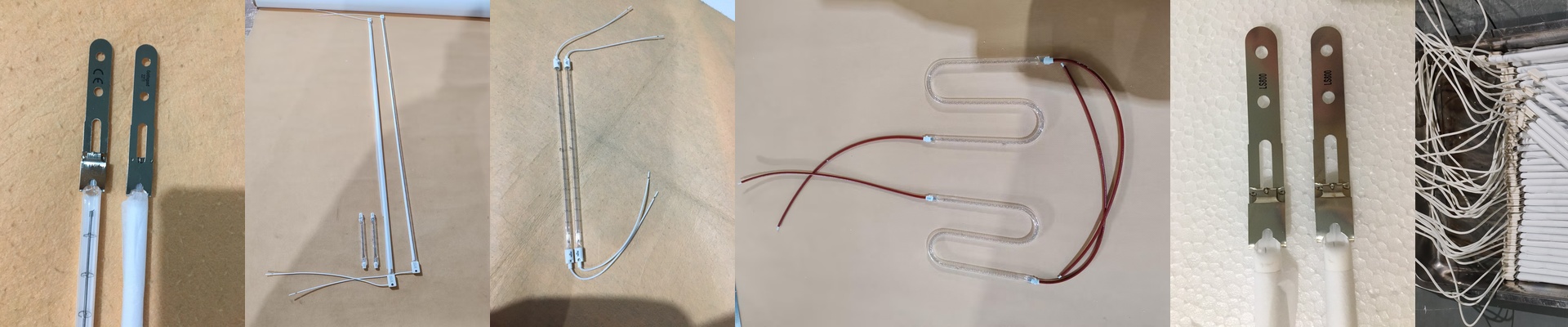
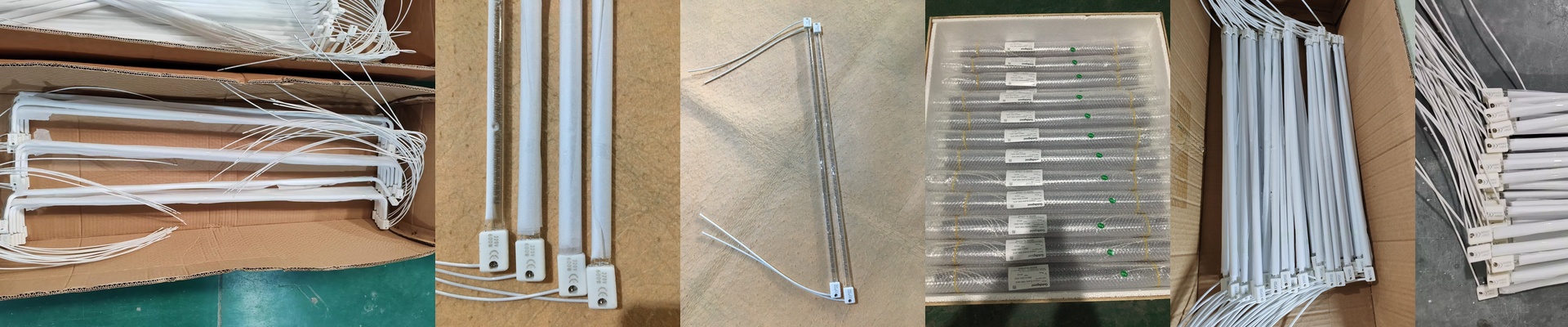
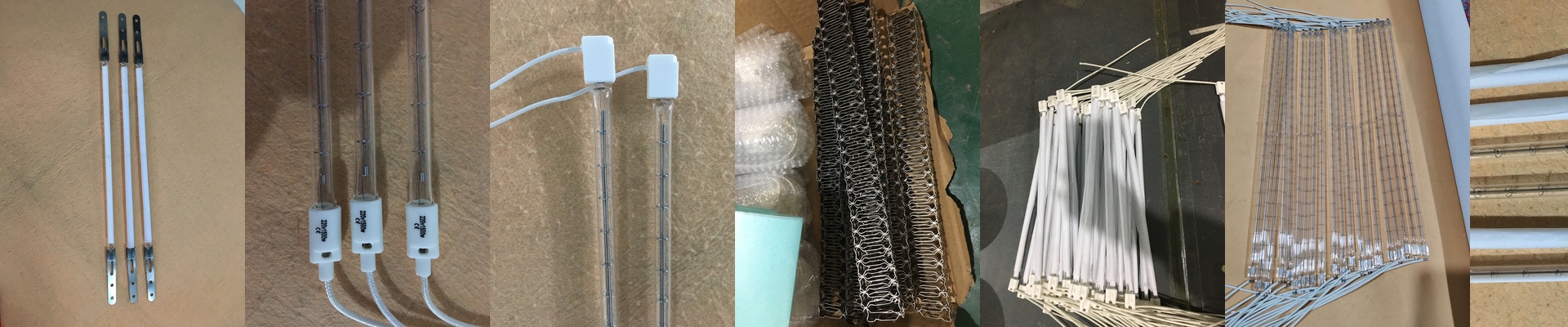
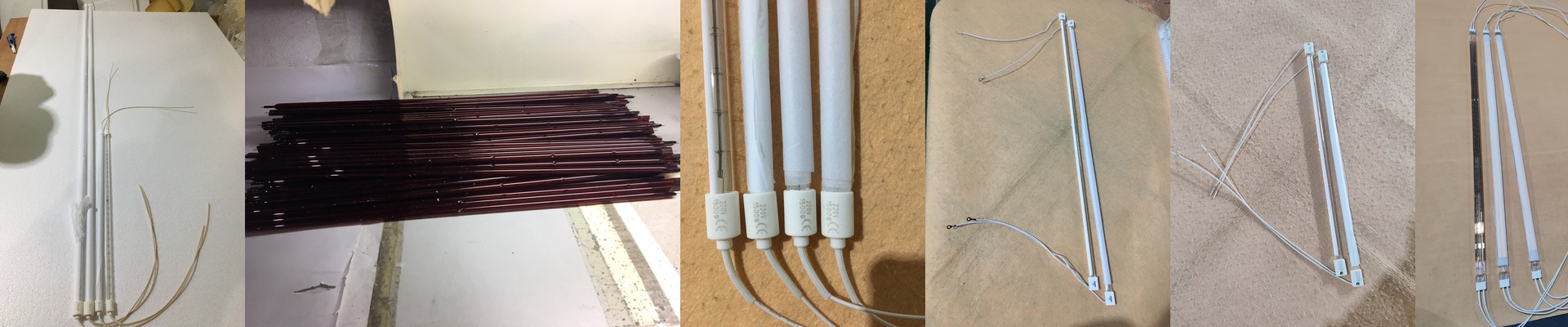
We use heavy-wall quartz. Why? Because when things get intensely hot, thin tubes bow. A bowed tube means uneven heat, and uneven heat means more scrap in the bin. As for the connections, we keep it simple. We use R7s or SK15 bases. They’re standard for a reason—they just work. You can swap them out quickly without having to rip apart your entire wiring rack. Then there’s the coatings. Depending on what you’re running, you might need a different “flavor” of heat. Shortwave IR is your go-to for thick synthetic blends because it digs deep into the fibers. Longwave is great if you just need the surface dry. But a word of warning: those high-density shortwave lamps pull a ton of power the second you flip the switch. If your breakers aren’t ready for that initial surge, you’ll be spending your morning resetting the power instead of running production.
Making it Work on the Floor
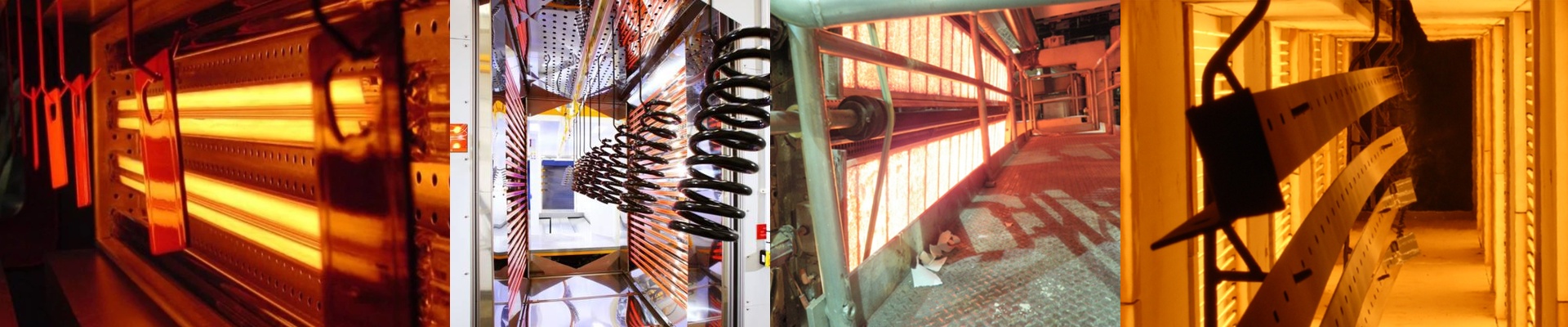
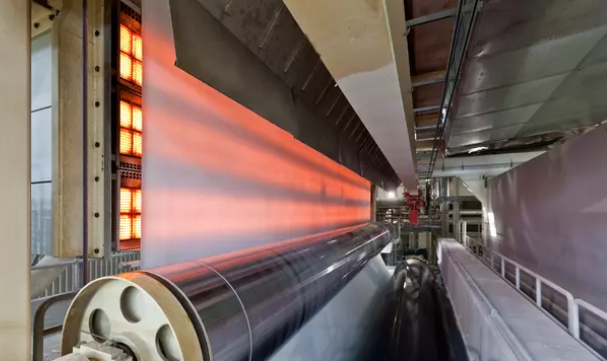
Bad heat management doesn’t just kill your fabric; it kills your equipment. We spend a lot of time obsessing over the “footprint” of the heat zone. By tweaking the focal length and the wattage, we stop the heat from overshooting the target. It keeps your material in that sweet spot where it’s perfectly processed but not scorched. Plus, when the ventilation is right and the heat is controlled, your lamps don’t burn out nearly as fast. Everyone wins.