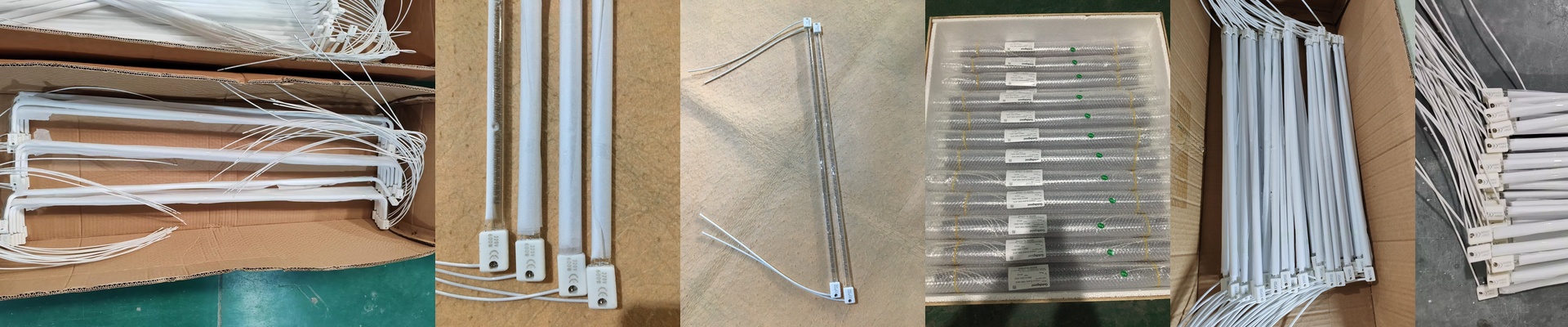
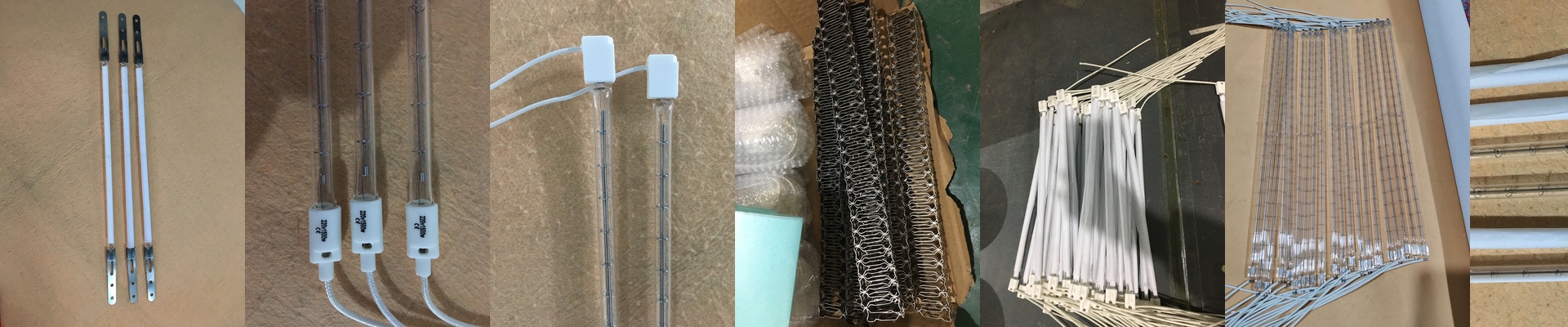
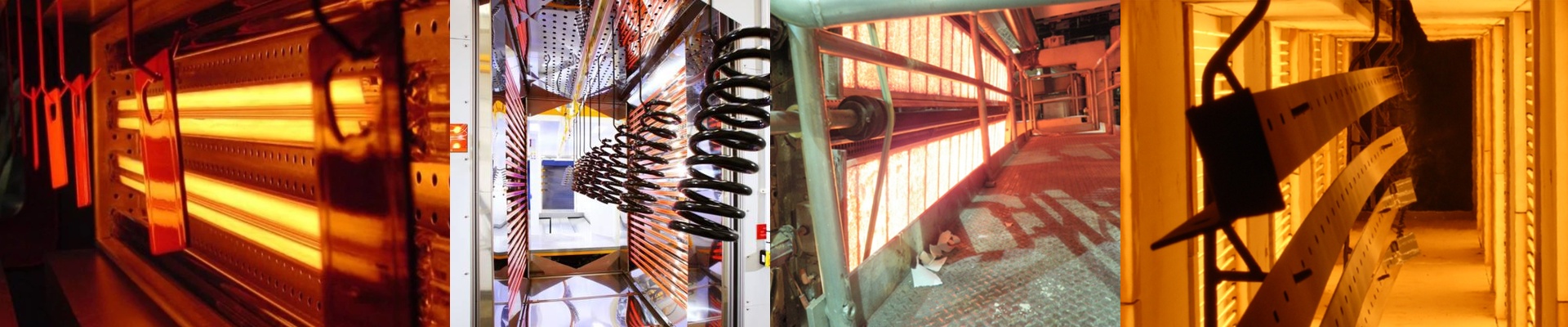
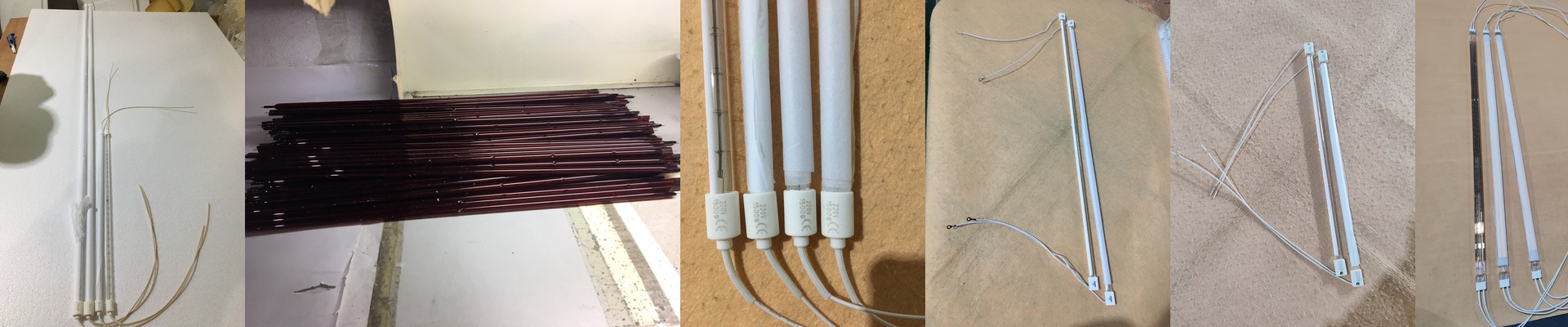
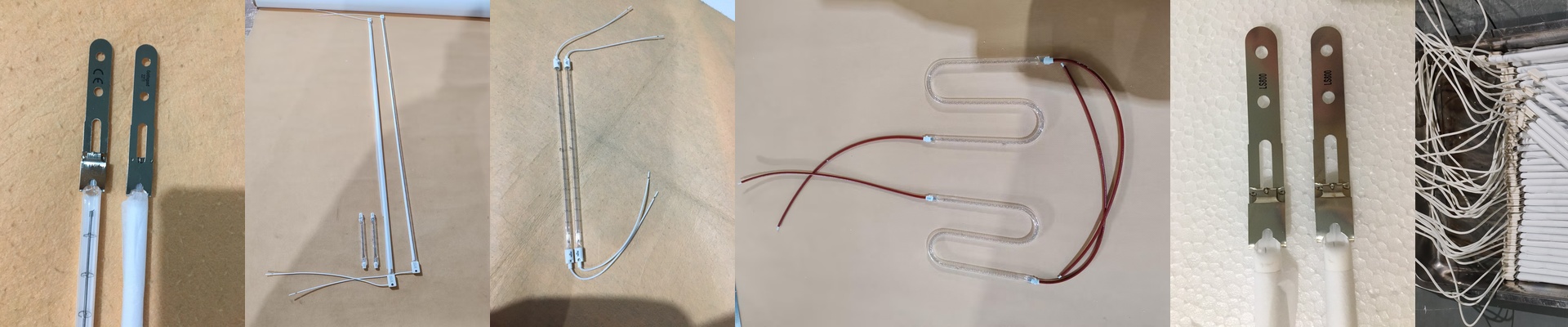
Halogen Lamps for Printing Machines: Where Power, Precision, and the R7s Connector Meet
Let’s talk about halogen lamps for printing machines. We built these specifically because printing presses are no place for wishy-washy heating. You need heat that kicks on fast, stays under tight control, and fits into a tight spot. The whole point? Keep the line moving. Dry ink. Cure coatings. No lag. No drama.
Power, voltage, and a size that actually fits
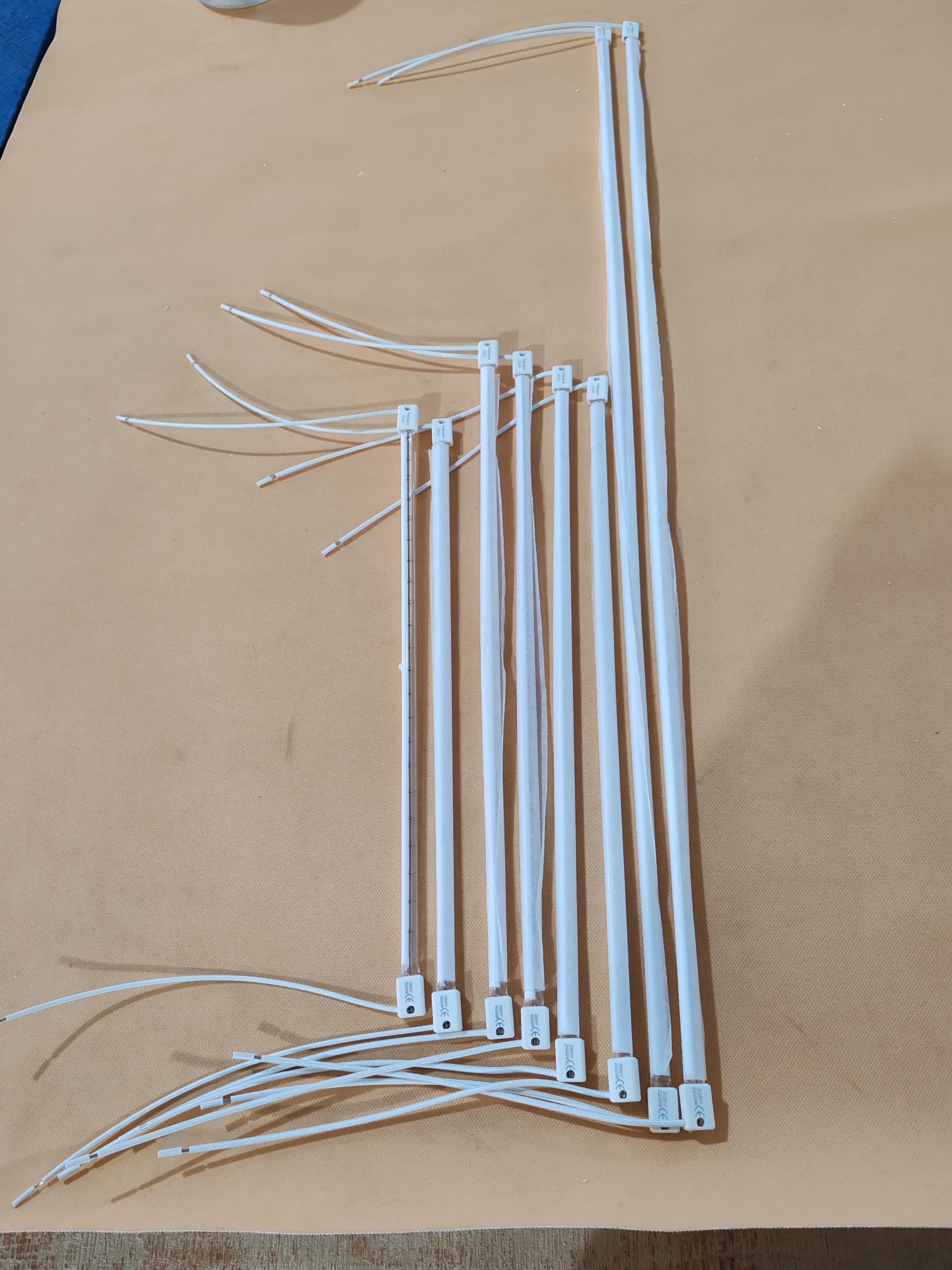
Here’s what makes these lamps tick: they’re all about packing serious heat into a small footprint. A 2500W rating means concentrated infrared output—so the temperature jumps when you need it to. That quick ramp-up keeps your substrate moving through without waiting around. And the 400V voltage? That lines up with industrial power setups, which helps keep current draw in check and conductor sizes sensible. At around 300mm long, the lamp slips into tight heating zones without forcing you to redesign the whole machine. In other words, you can put the heat exactly where the ink needs to set—no bulky assembly, no wasted space.
The materials and design that make it reliable
Inside, the halogen cycle does the quiet hero work. It returns tungsten back to the filament, keeping the quartz envelope clean. The payoff? Stable output and a longer life than you’d get from standard incandescent designs. The quartz envelope handles high operating temperatures and gives you the transmission you need for shortwave infrared—so the heat hits where it should, when it should. Then there’s the reflective coating on the outside. It pushes more energy forward, so more usable heat lands on the target and less gets wasted sideways. And the R7s connector? It’s practical, standard, and it does its job without fuss. It locks in fast, stays solid even when there’s vibration, and makes swapping lamps quick—no rewiring, no headache.
Why this setup works in real printing work
In printing, heat isn’t just heat. It’s controlled heat. These halogen lamps deliver the kind of intensity that makes drying and curing happen fast, so your line speed stays steady. And because the tube is compact with an R7s termination, you can drop the lamp into existing fixtures with minimal downtime. Now, a heads-up: concentrated heat means you need proper cooling and shielding around the lamp zone. Protect nearby components from getting too hot and you’ll avoid surprises later. When the machine is designed around the lamp like it should be, you get repeatable temperature behavior, consistent print quality, and fewer unplanned stops.