Infrared Halogen Lamps for Liquid Paint: Specs, Materials, and Uptime
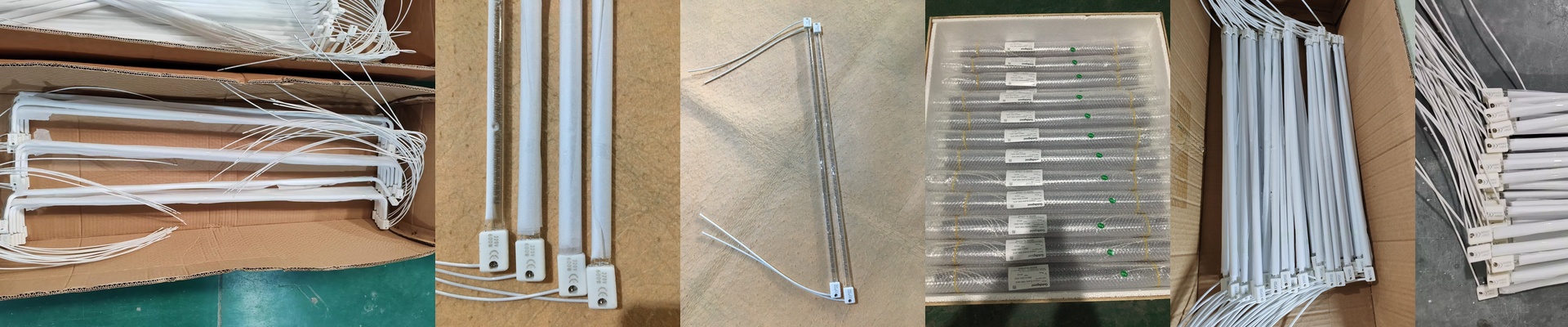
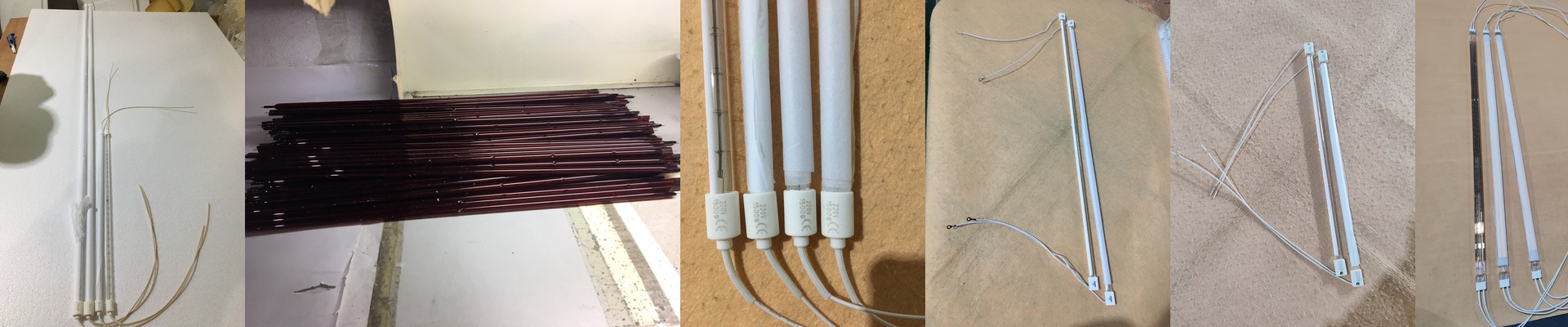
An infrared halogen lamp for liquid paint? Think of it as a focused heat blast, built to cure coatings on parts at full speed. We built these tubes to pack serious power into a small footprint. So you can get the heat right where you need it on the line—without tearing the whole oven apart.
Power, Voltage, and Size—What Actually Matters
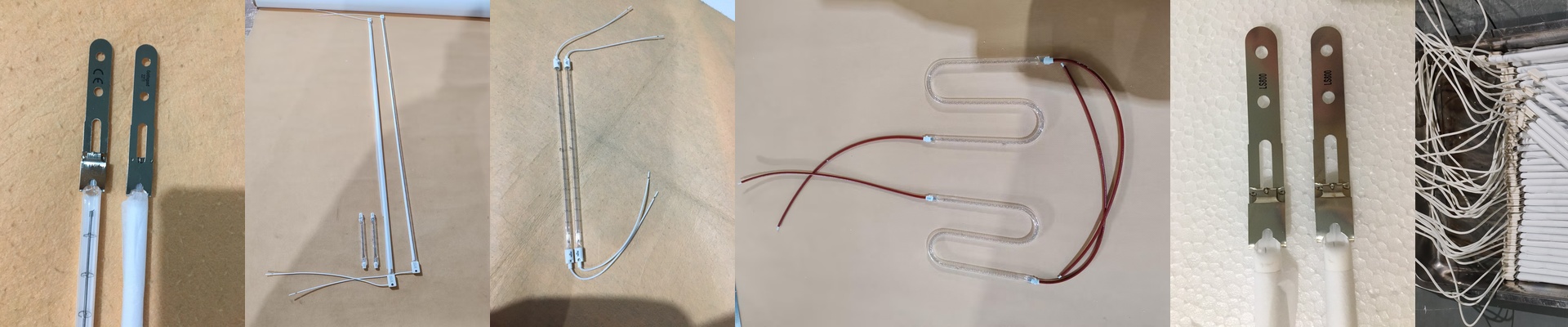
Here’s the thing: the specs determine how much heat you get and how the lamp fits into what you already have. We lean on a 400V high-voltage design because it delivers high wattage through a short, 300mm tube. That means dense infrared energy, concentrated in a tight spot. And that concentration is exactly what dries liquid paint fast. But it also means the power density is high. So you need a fixture and electrical setup that can handle the load. And the surrounding assembly has to be ready for the localized heat. Plan for it, or the system will run hotter than it should.
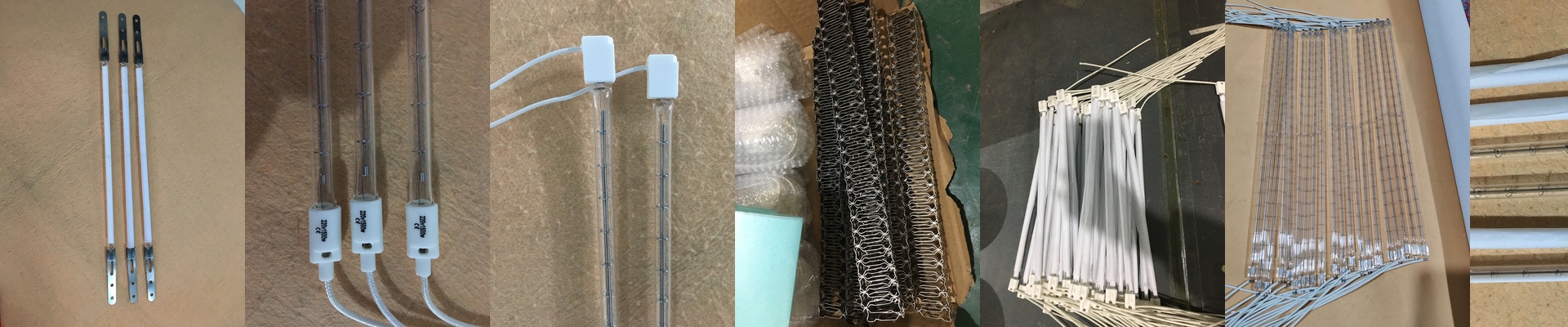
Materials and Design: Quartz, Coating, and a Simple Connection
The tube is quartz, because it handles rapid heating and cooling without complaining—and it transmits shortwave infrared cleanly. Halogen technology keeps the filament steady at high temperatures, so output stays consistent over time. The coated surface helps fine-tune the spectral profile and cuts down on contamination issues while the lamp runs. And the R7s connector? Practical choice. It gives you a solid, repeatable electrical contact, and makes the lamp a straightforward drop-in replacement in many standard fixtures.
Curing Liquid Paint—Without the Wait
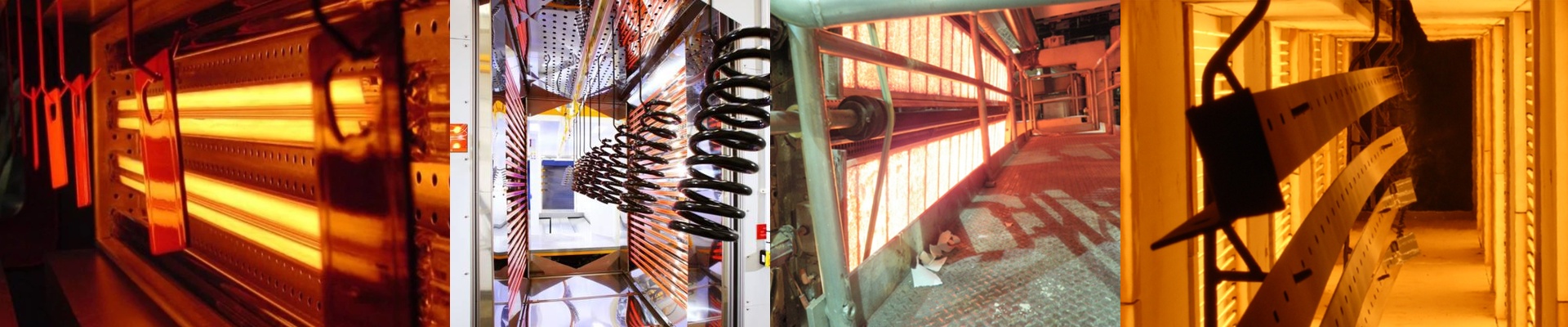
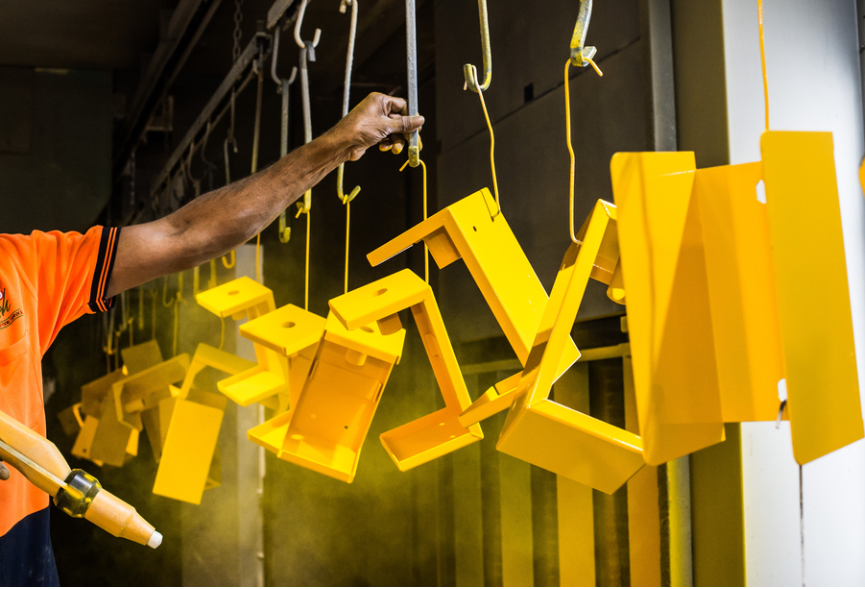
When you’re curing liquid paint, the whole point is hitting the required surface temperature fast—and holding it. This lamp’s shortwave infrared heat cuts through the wet film, pushing out solvents and speeding up cross-linking. The payoff is simple: faster line speeds and less floor space per part. Downtime is where the pain shows up. If a lamp burns out, you need help immediately. That’s why we pair the solid specs with support that gets you back online fast—24-hour technical assistance beats waiting on a slow approval chain any day. Just keep the trade-off in mind: the high heat density delivers speed, but it needs proper cooling and thermal clearance in the machine. Set up the installation with airflow and heat rejection in mind, and the system will run the way it was designed to.