Introduction
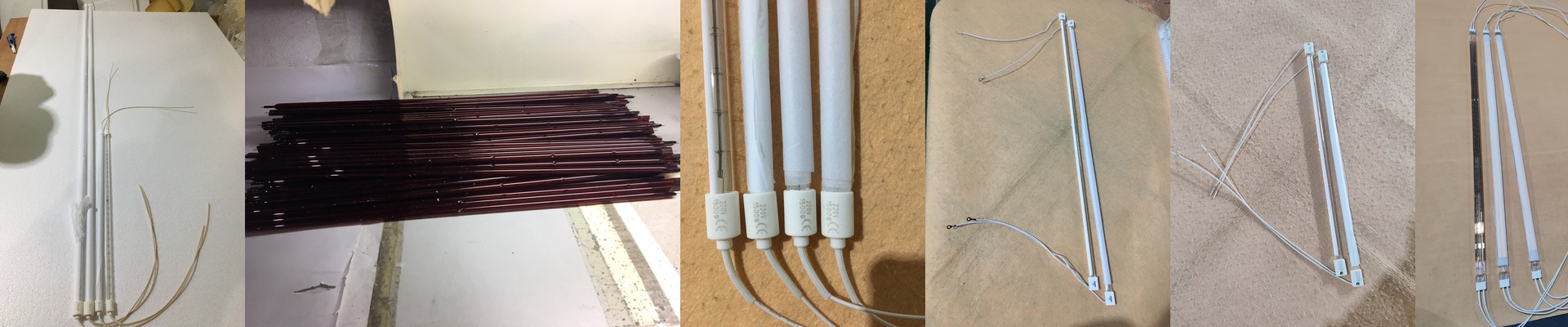
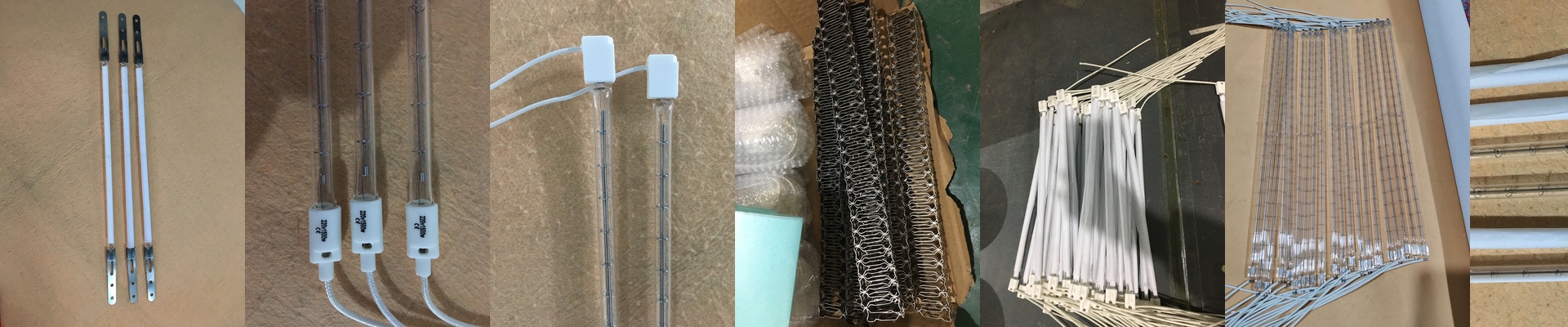
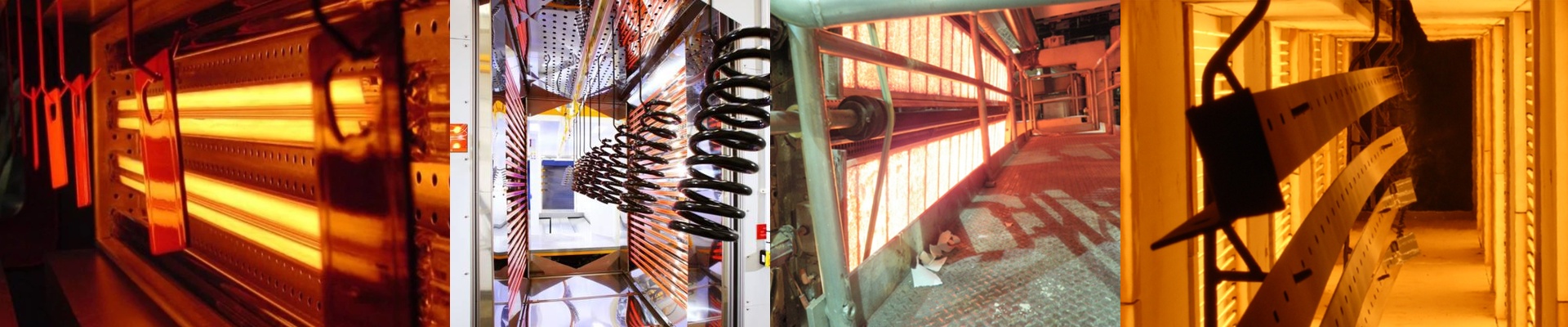
We build industrial infrared lamps for one reason: to heat textiles the right way. And at the heart of every lamp is a material we won’t budge on—99.99% pure quartz glass. When you’re drying, curing, or heat-setting fabric, you need heat that stays steady. No spikes. No dips. Standard glass just can’t deliver that. So we lean on high-purity quartz instead, so the infrared energy gets through clean and consistent—right where you need it, on the production line.
Power, Voltage, and Size: Built for the real world
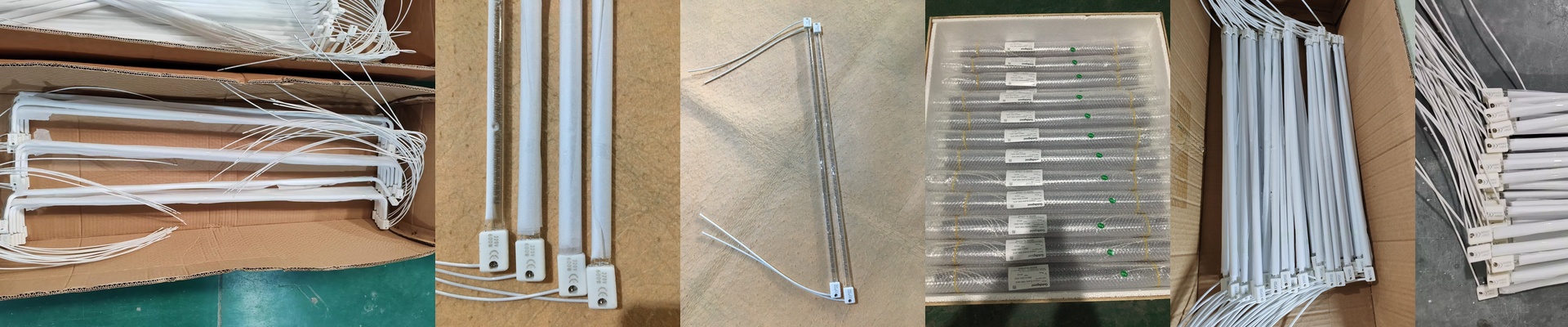
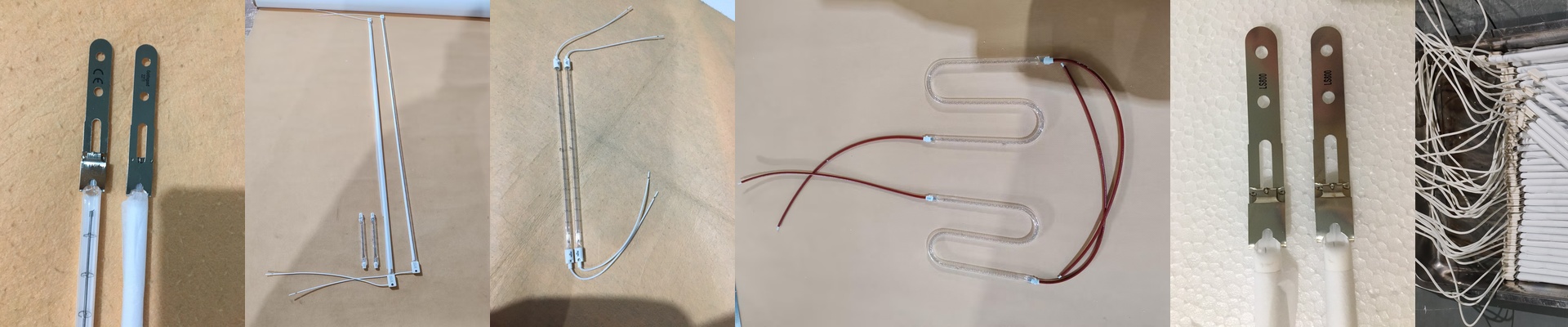
These lamps are made for industrial work. They run on 230V or 400V, with power from 1000W up to 2500W, depending on how much heat density your line needs. And the footprint? It’s compact. You’ll find them in 300mm or 500mm lengths, so they slip into tight spots without a fight. That’s a lot of power packed into a short tube, which gives you intense, focused heat. But that also means your control system and cooling setup have to be up to the task. If you’re running a 2500W unit hard, you need to keep the surrounding heat in check to protect nearby parts.
Why quartz, and why halogen
That 99.99% quartz glass is why the lamp performs. It lets infrared energy pass through without soaking it up, which keeps the glass cooler and keeps the output spectrum stable. Inside, the halogen cycle does its job quietly: it keeps the filament stable, prevents blackening, and helps the lamp hold steady output over time. And the R7s base? That’s a deliberate, practical choice. It gives you a solid two-ended connection that can handle high heat and the constant vibration of machines that never really stop.
Precision that shows up on the line
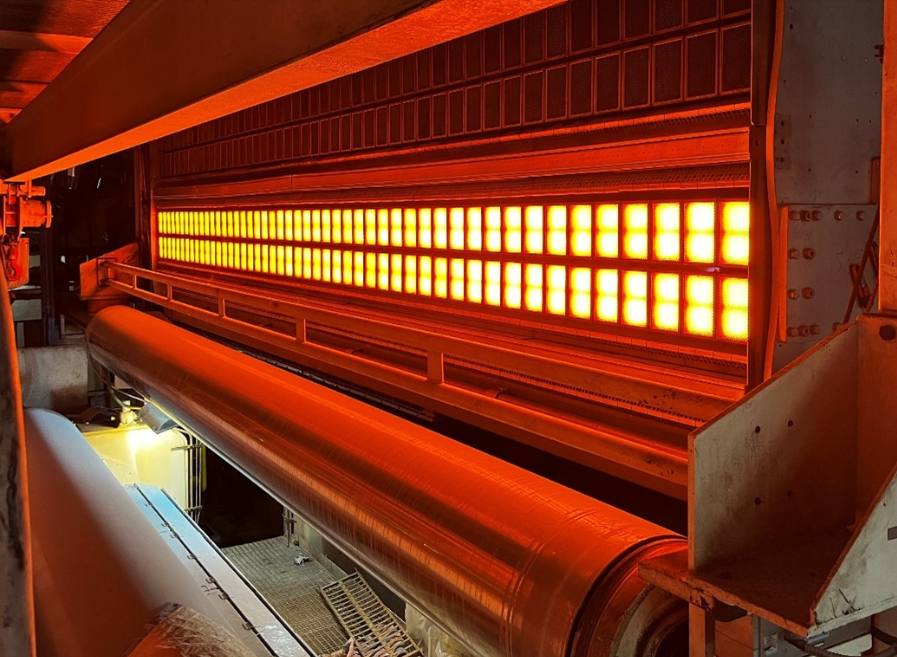
Textile work is touchy. One uneven hot spot can scorch synthetics or leave coatings under-cured. Our quartz infrared lamps cut through that uncertainty. They deliver a targeted spectrum that gets into the material fast, so drying and curing cycles move quicker. That means less wasted energy, and a process that stays repeatable. For you, it translates into fewer headaches: less downtime, simpler temperature control, and a lamp that keeps taking the heat—cycle after cycle. It’s not flashy. It’s just built to do the job, day in and day out.