Getting the Cure Right: The Truth About IR Heating for Textiles
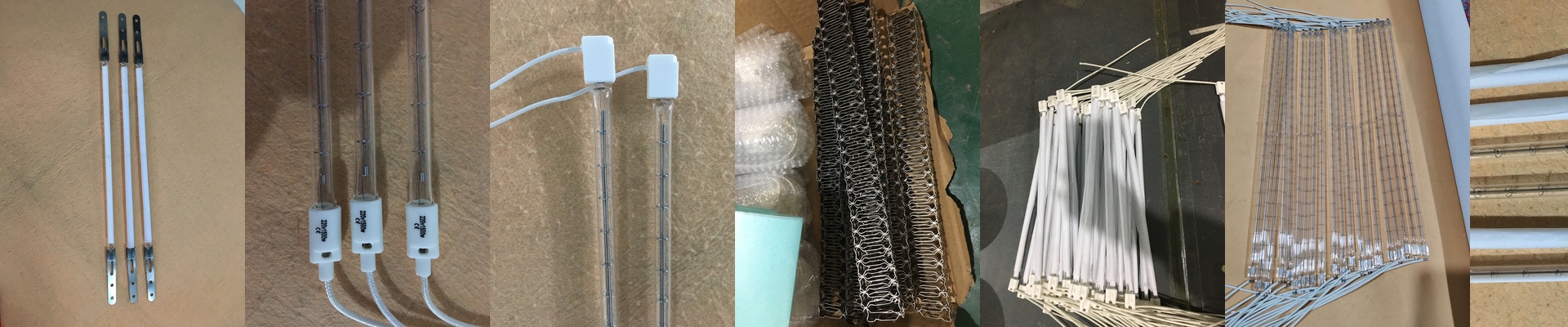
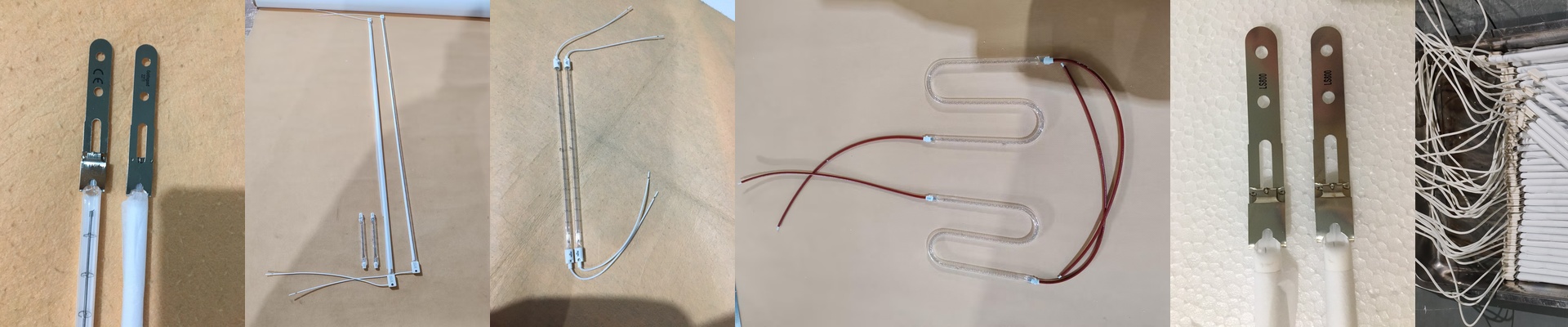
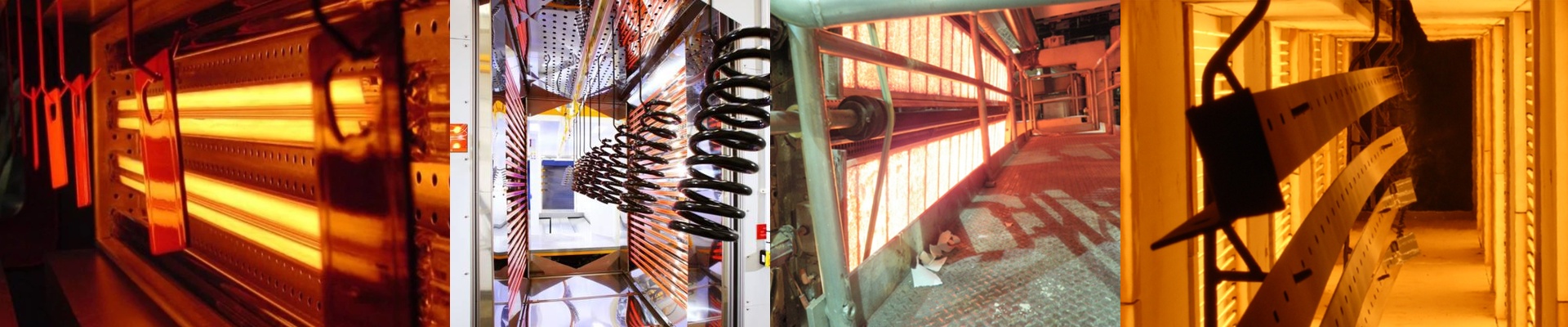
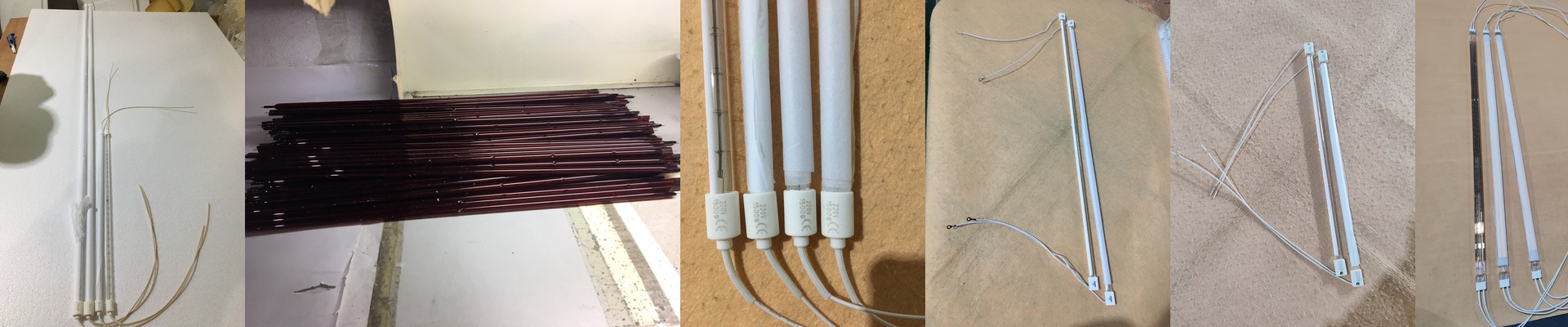
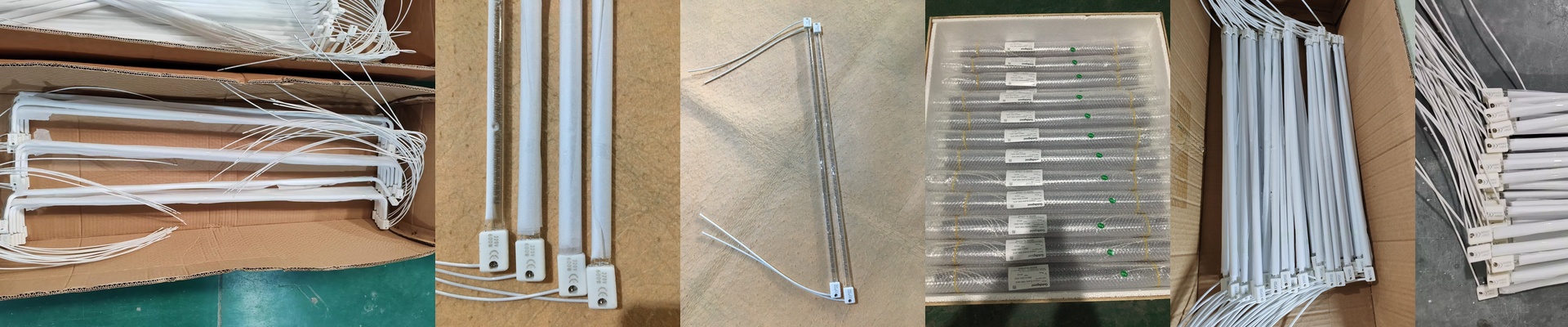
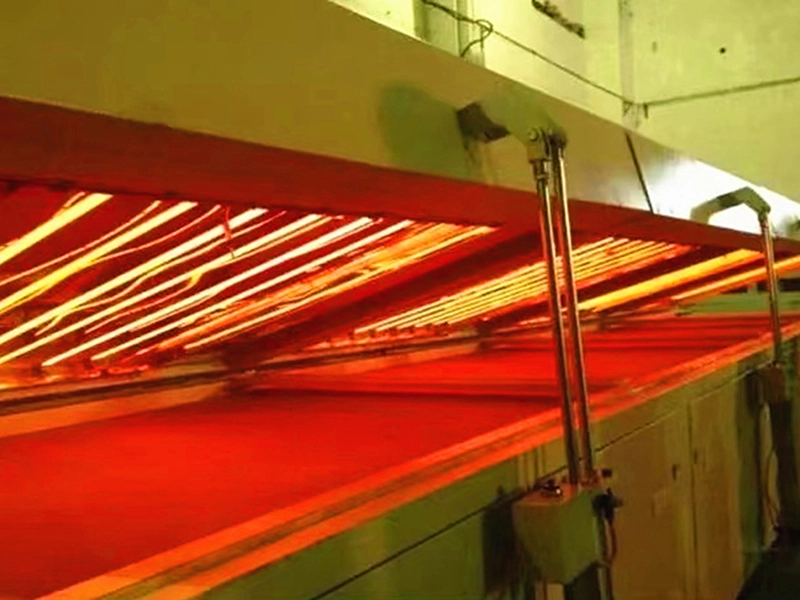
When you’re coating textiles, you’re walking a pretty thin line. You need the coating to set perfectly, but you can’t accidentally fry the fabric underneath. Most people think of heating as just “turning up the dial,” but it’s more about the type of heat. That’s why we lean on shortwave IR lamps instead of those old-school convection ovens. IR doesn’t just warm the air; it targets the coating itself. Finding the Sweet Spot with Wattage If you’re running a high-speed line, you need some real muscle—high watt-density lamps. We tune these tubes to hit the exact temperature your chemicals need to lock in. Here’s the problem: if your wattage is too low, the fabric sits in the oven too long and starts to shrink. But if you go overboard? You’ll burn the edges of your material. It’s a balancing act. You have to match the power to your line speed, or you’re just asking for trouble. The Gear Inside the Tube We use high-purity quartz glass because it lets the IR rays pass through without getting blocked. Inside, there’s halogen gas. It stops the filament from evaporating, which means your lamps actually last and the heat stays steady for thousands of hours. Depending on the job, we sometimes add special coatings to the quartz. This nudges the heat to soak deep into the coating rather than just searing the surface. The Catch: Power vs. Cooling Now, there’s a trade-off. These high-output lamps getscary hot. They cure your coatings in seconds, but they put a massive amount of stress on the housing. You can’t just plug them in and walk away. If you don’t have a solid cooling fan or a water-jacketed reflector, your sockets will melt or the quartz will crack from the thermal shock. It’s a violent amount of energy, and you have to manage it. The upside? You stop wasting energy. By hitting only what needs to be heated, your factory floor doesn’t feel like a sauna, and your electric bill stays sane.