Getting Smarter with IR Heating in Monforts Stenters
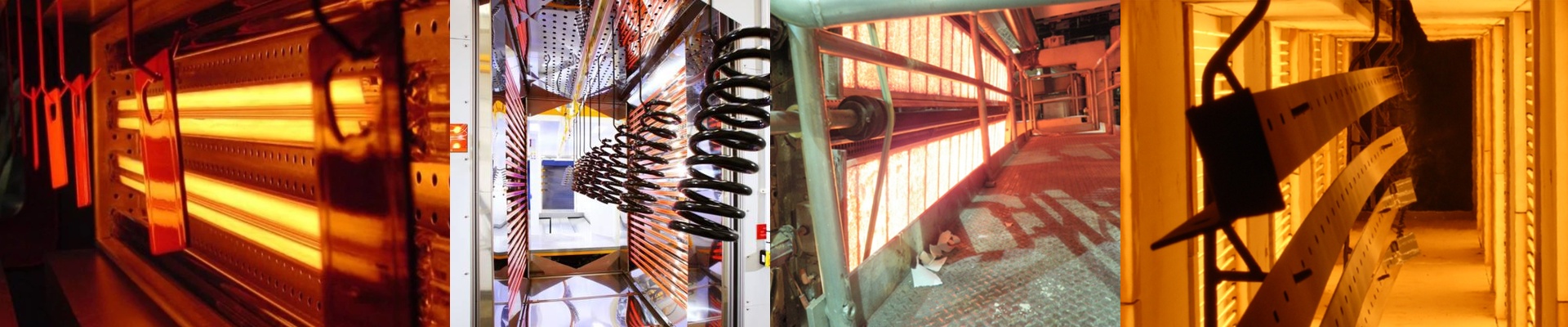
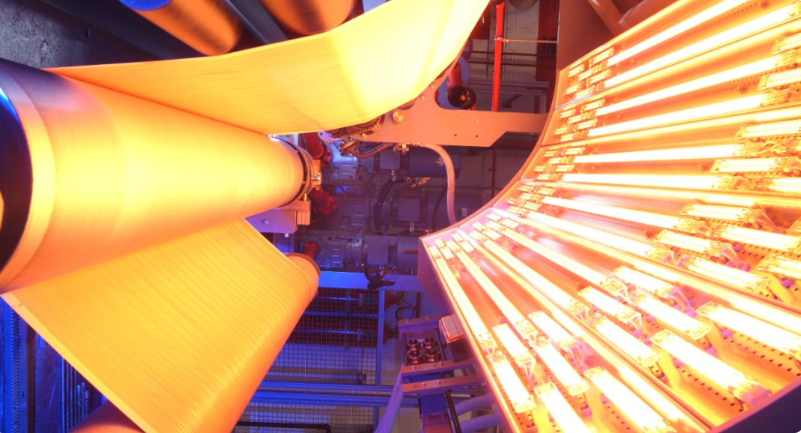
If you’ve spent any time around Monforts stenter frames, you know the drill. Everything depends on getting those thermal profiles exactly right to dry the fabric and lock in the width. For a long time, we just relied on standard short-wave IR lamps to get the job done. They worked, but they were basically “dumb” heaters. You turned them on, and you hoped for the best. But things are changing. We’re moving toward lamps that actually talk back to us through IoT.
The struggle with high-density heat
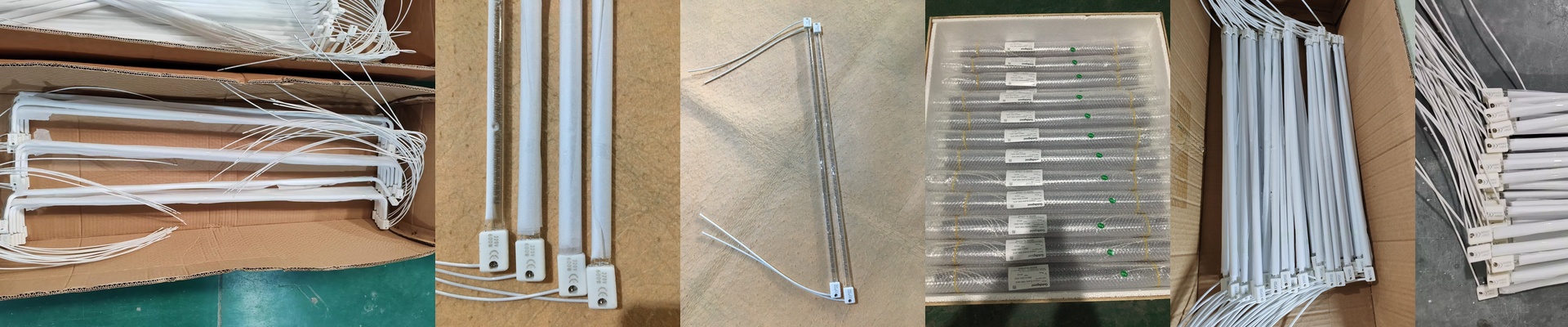
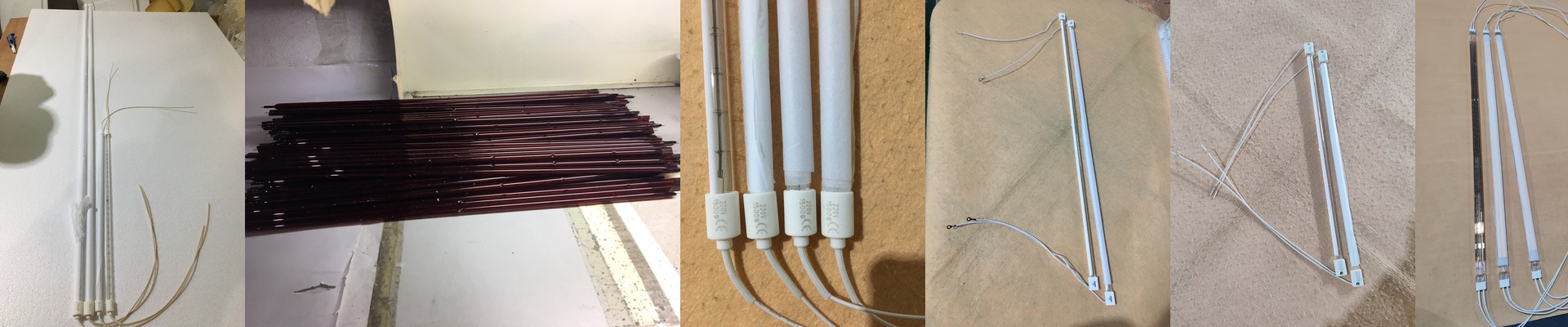
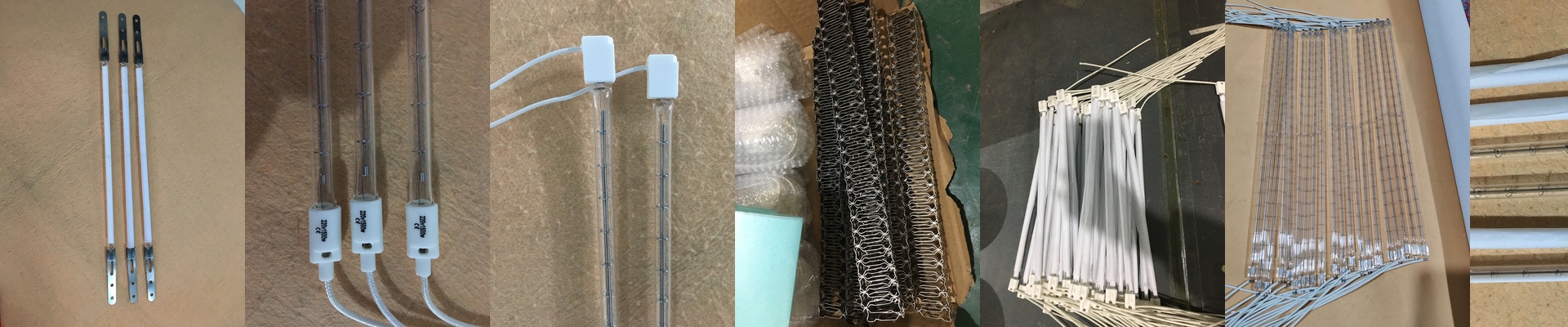
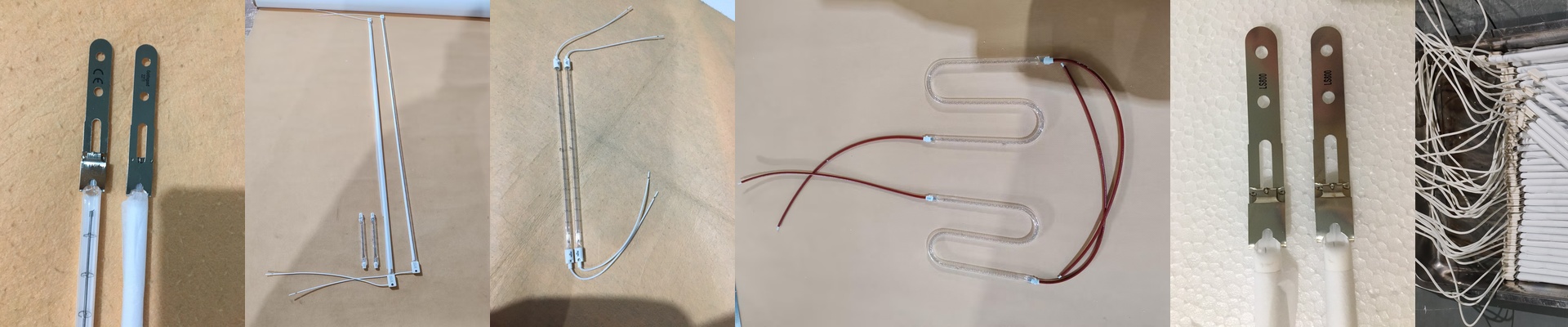
When you’re dealing with heavy textiles, you need heat that actually penetrates the fabric, not just something that warms the surface. That’s why we use lamps with high wattage density—basically cramming as much power as possible into a small quartz tube. It’s great for fast line speeds because the response is instant. But there’s a catch. That kind of power puts a massive amount of stress on the hardware. If your PID controllers aren’t dialed in perfectly, you get overshoot, and those expensive tubes burn out way faster than they should. It’s a constant balancing act.
No more guessing games
Until now, these lamps have been passive. You don’t actually know a tube has died until you spot a cold patch on the fabric or a sensor finally trips. By then, you’ve already got a quality problem on your hands. IoT changes the whole vibe. By adding sensors or using smart controllers, the lamp can tell the PLC exactly how it’s doing. It reports the current draw and the filament resistance in real-time. Now, instead of a sudden “oh no” moment that shuts down the entire line, you can see a burn-out coming. You just schedule the swap for your next planned break. It takes the panic out of the process.
The reality of setting it up
Now, let’s be honest: wiring this up isn’t exactly “plug and play.” You’ll need a communication layer—usually Modbus or OPC UA—to get that data into your SCADA system. Your electrical cabinet is going to be a bit more crowded than before. But it’s worth it. You stop guessing if your heat is balanced across the zone and you start seeing the actual wattage. It’s just a much cleaner way to run a mill.