Why IR Lamps Beat Hot Air for Thick Fabrics
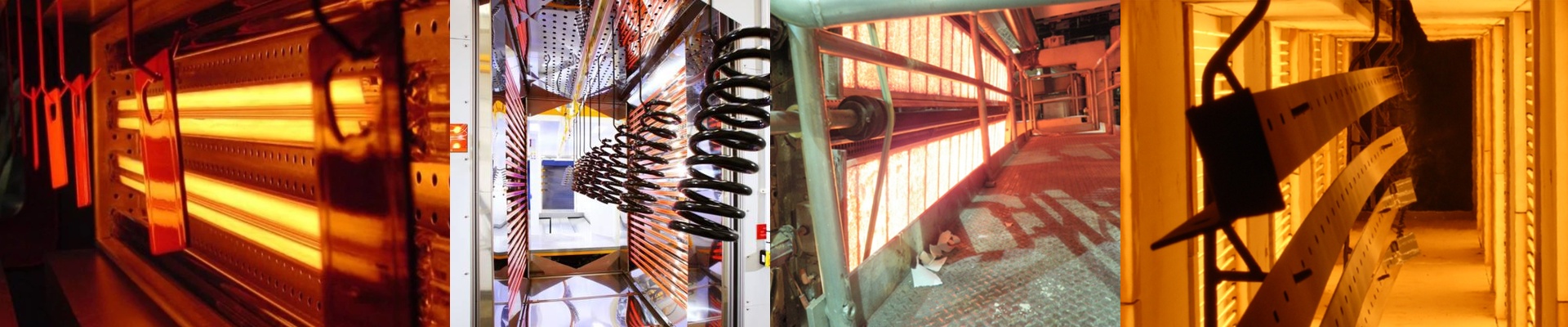
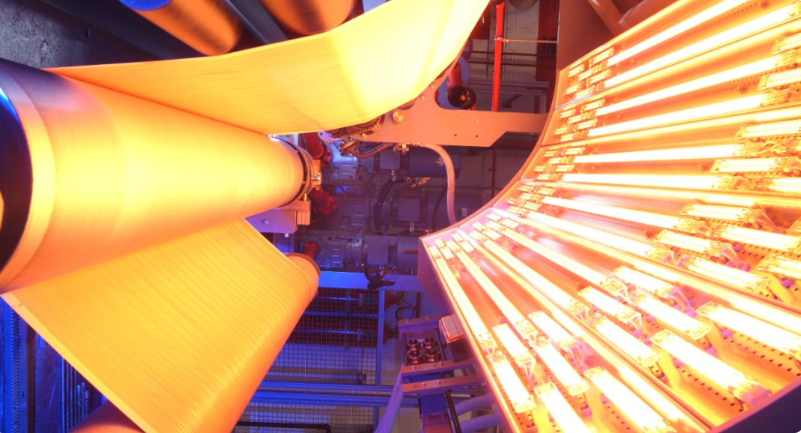
Ever tried to cure or dry a thick composite textile with hot air? It’s frustrating. You basically hit a wall. See, hot air relies on convection. It heats the surface first, and then you just… wait. You wait for that heat to slowly crawl its way through the fabric. With dense, multi-layered materials, you often end up with a nightmare scenario: the outside is scorching, but the core is still cold. Here’s the thing about IR lamps. Radiation doesn’t need a “middleman” like air to move. IR waves just dive right into the textile. Those photons hit the molecular bonds in the fibers and make them vibrate. It’s called internal excitation, but in plain English? You’re heating the fabric itself, not the air around it. That’s why IR wins when you’re dealing with composites. Convection is just too slow. It leaves you with a thermal gradient—hot on the outside, cold on the inside. IR skips that entire struggle. Because the energy penetrates deeper, the heat spreads much more evenly across the whole material. And that cuts your wait time down significantly. Now, look, IR isn’t some magic wand. You have to get the wavelength right. Whether it’s short, medium, or long, it has to match the specific polymer or fiber you’re using. If they don’t match, the energy just bounces off the surface and you’re back to square one. Plus, these high-density IR arrays put out a lot of heat. If you don’t have the right housing and cooling fans, you’re going to fry your electronics. We see this happen a lot with PET-blend composites. When shops switch from a standard convection oven to a tuned IR tunnel, they usually see processing times drop by 40% to 60%. All that, and the core temperature stays perfectly stable.