Why Infrared is the Secret Weapon for Modern Textile Mills
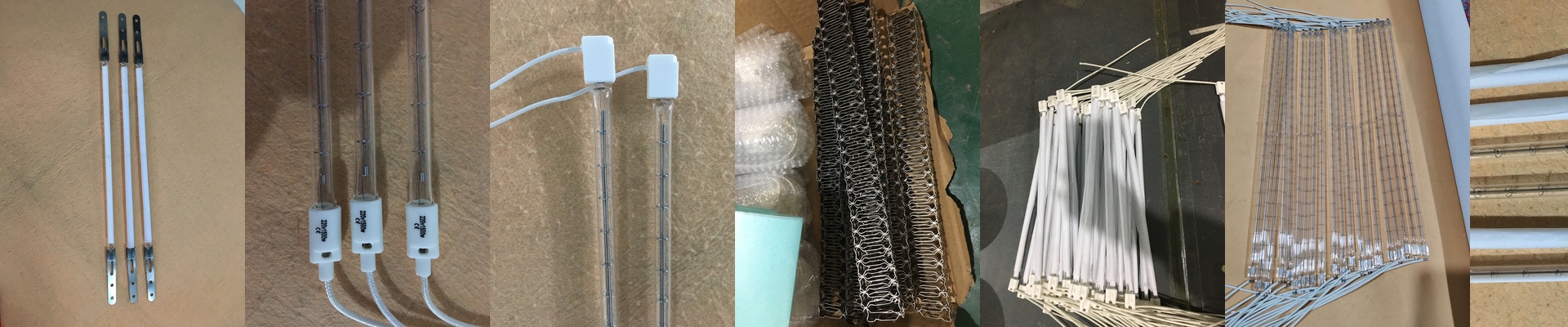
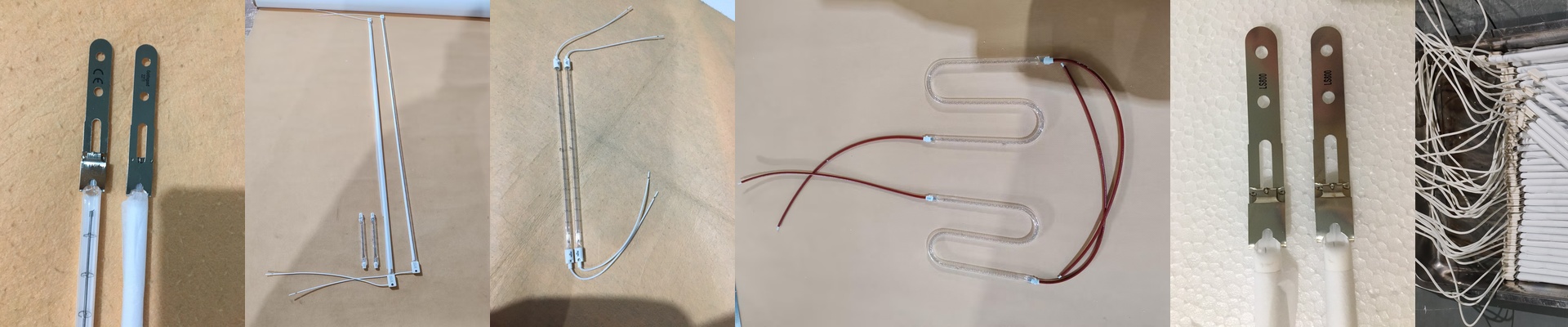
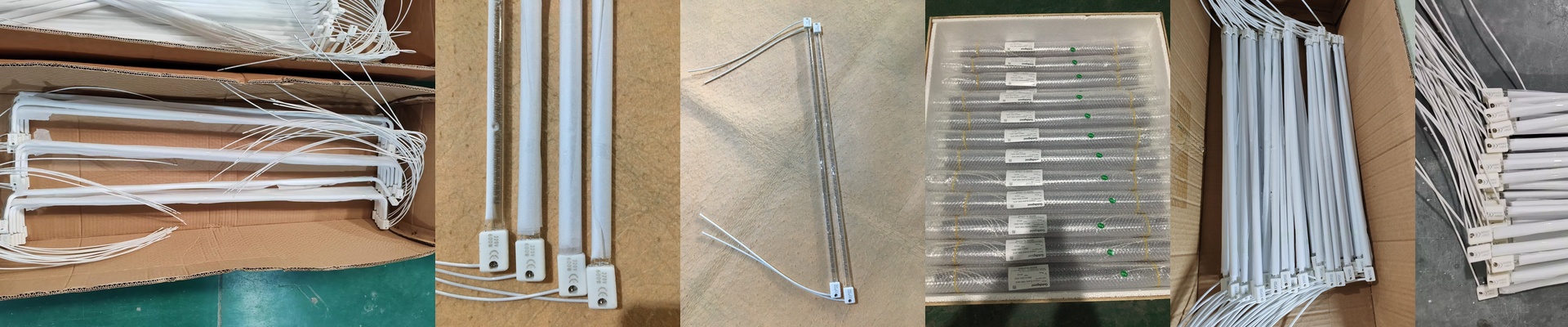
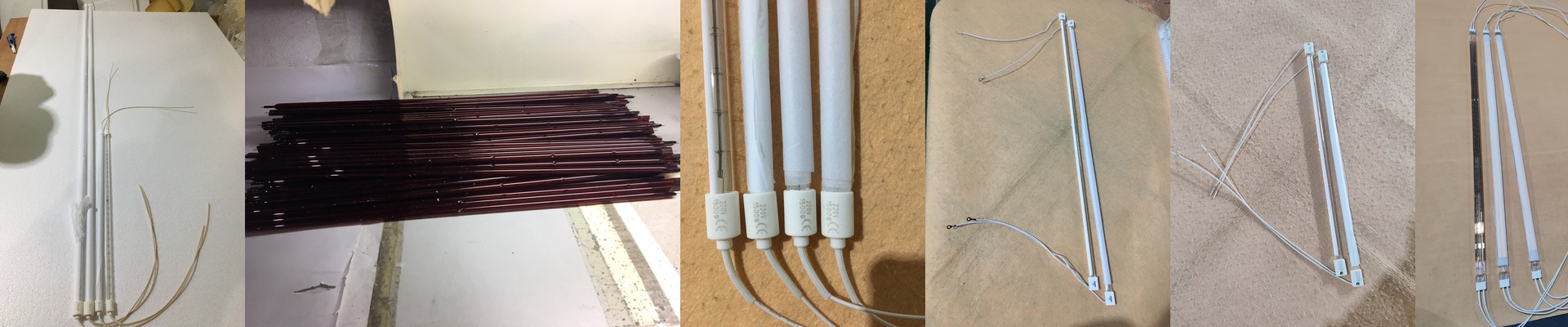
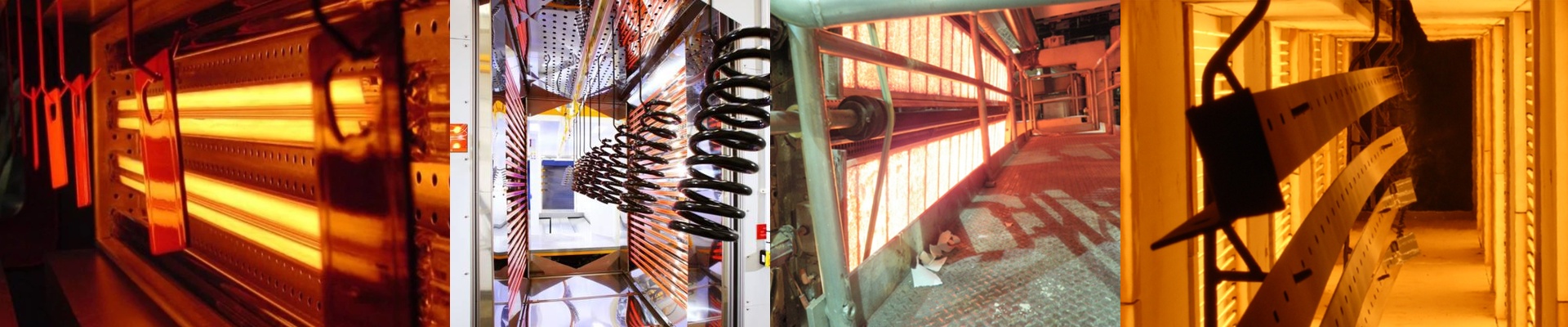
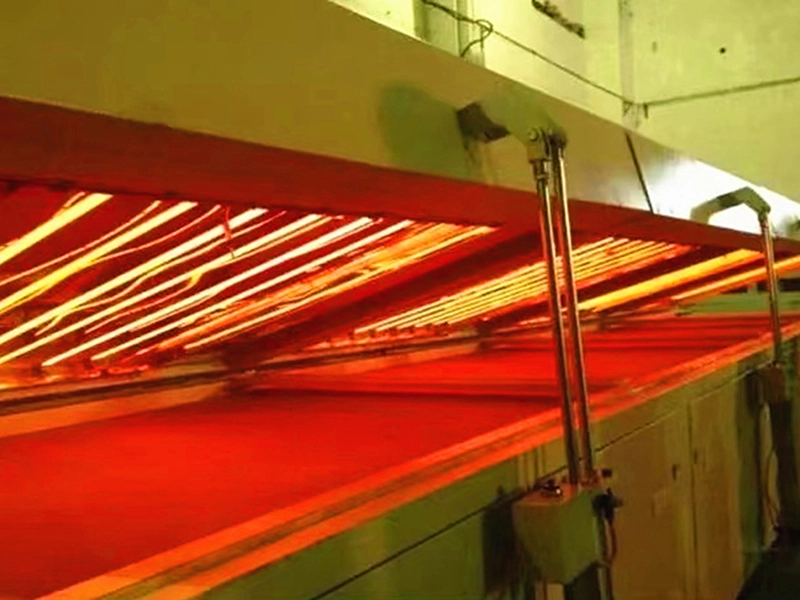
Most old-school textile mills are still leaning on steam or those massive, clunky ovens. The problem? They’re slow. Once those things get hot, they stay hot. You can’t just flip a switch and change the temperature on a dime. But if you’re trying to run a smart shop where dyeing and printing need to be spot-on, that lag is a nightmare. That’s why we’ve started treating infrared (IR) lamps as “digital heat sources.” Heat that actually listens Unlike steam, which just hangs around the fabric, IR lamps shoot radiant heat directly into the material. When you hook these up to a PLC with PID control, the response is almost instant. Here’s the best part: if your sensor picks up a change in moisture or fabric density, the power adjusts in milliseconds. No more guessing. No more scorched edges or patches that are still damp because the oven couldn’t keep up. Picking the right tool for the job It really comes down to how deep you need the heat to go. If you’re working with synthetic fibers, short-wave IR is your friend because it penetrates deep into the material. For surface drying in printing? Medium-wave is the way to go. Using high-wattage quartz tubes means you can pack a ton of heat into a tiny space. You don’t need a giant heating chamber taking up half your floor. But a word of caution: this stuff is intense. If your conveyor belt slows down or stops for a second, high-density IR can burn right through delicate fabric. You have to make sure your belt speed and lamp power are talking to each other, or you’ll ruin the whole batch. Turning heat into data These lamps do more than just dry fabric; they bridge the gap to a digital setup. By watching the current draw and temperature feedback, we can figure out exactly how much energy is being used per meter of fabric. You stop guessing. You just know. Swapping out old burners for IR arrays turns a “dumb” heating zone into a useful data point. Plus, it clears up a lot of room on the shop floor. And when a lamp eventually burns out? You just swap it. No more waiting hours for a boiler to build up pressure. You just turn it on, and it’s hot. Right now.