Stop Guessing Your Heat: Moving to IR in Textiles
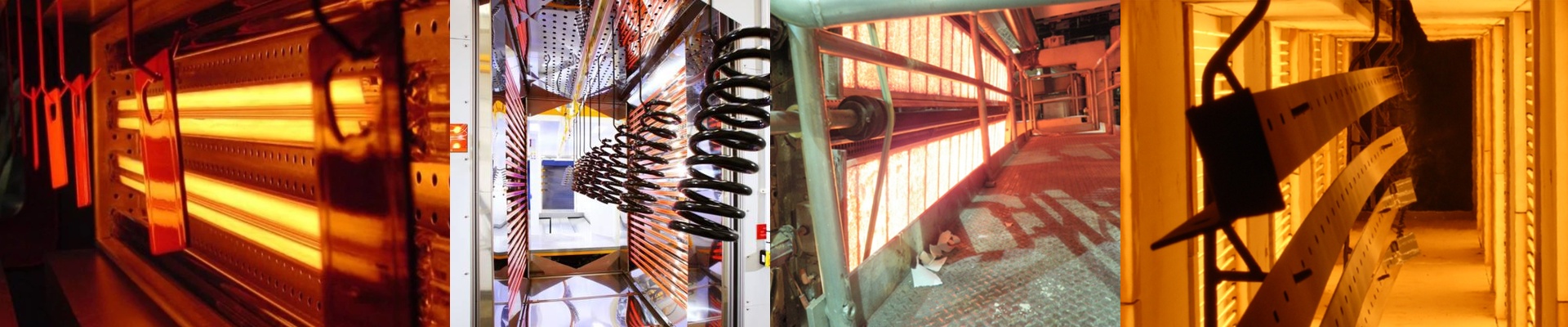
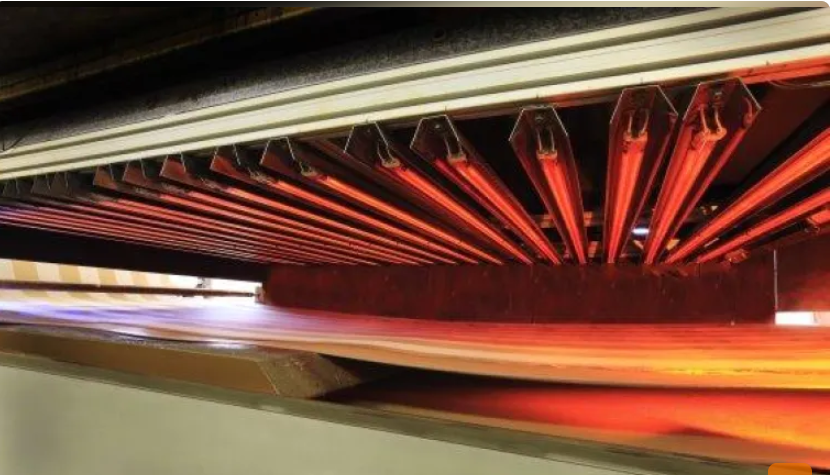
Let’s be honest: relying on giant steam pipes or those sluggish convection ovens is a headache. They’re slow, they’re clunky, and they don’t give you much control. We’re swapping all that out for shortwave IR lamps. Instead of just heating up the air and hoping for the best, you’re basically aiming a beam of energy exactly where it needs to go. It turns heat into something you can actually control.
The Power Stuff
When you’re setting synthetic fibers or curing dyes, you need raw heat, and you need it fast. That’s why we use tubes with a high wattage-to-length ratio. We lean on 400V high-voltage setups because they let us pack a ton of power into a small space without blowing a fuse. The best part? It’s nearly instant. We’re talking seconds to reach temperature, not minutes. If your line is moving fast, that speed is the only way to keep your fabric tension steady and your heat absorption consistent.
The Build
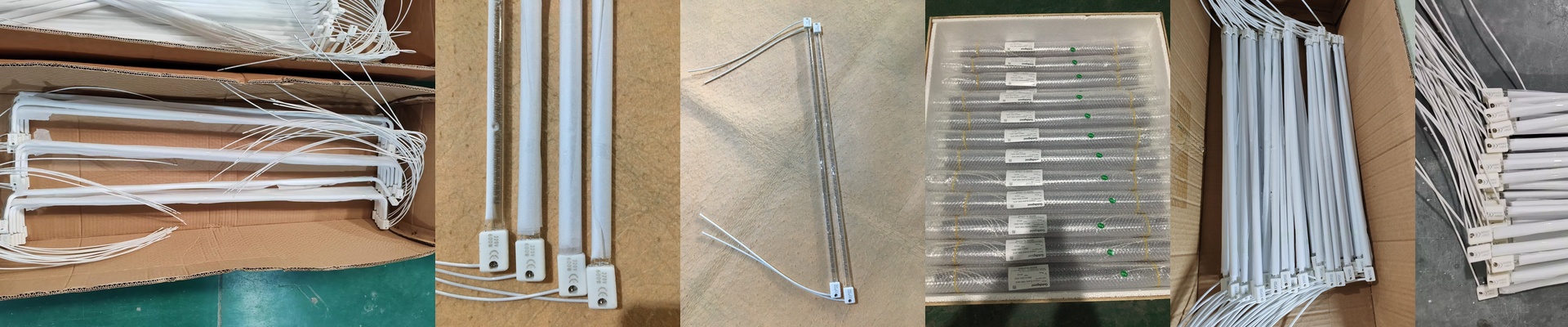
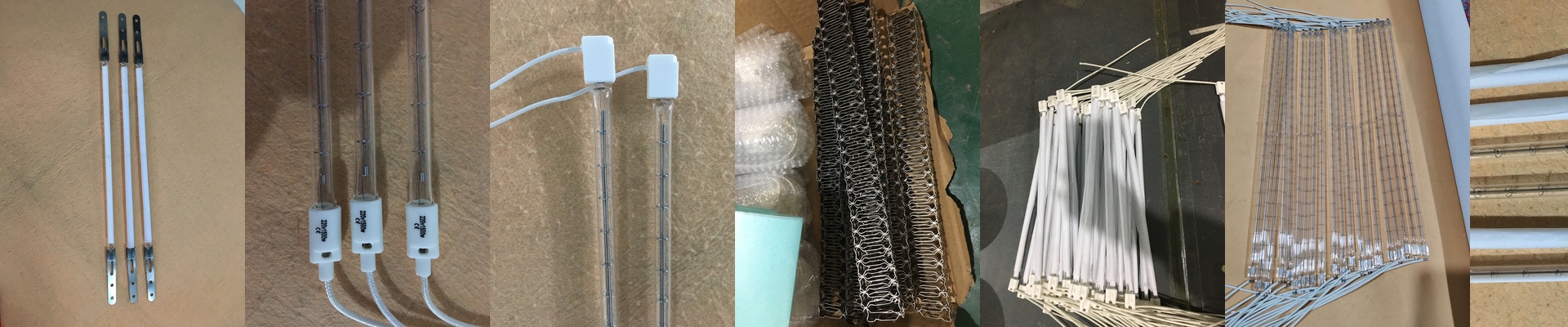
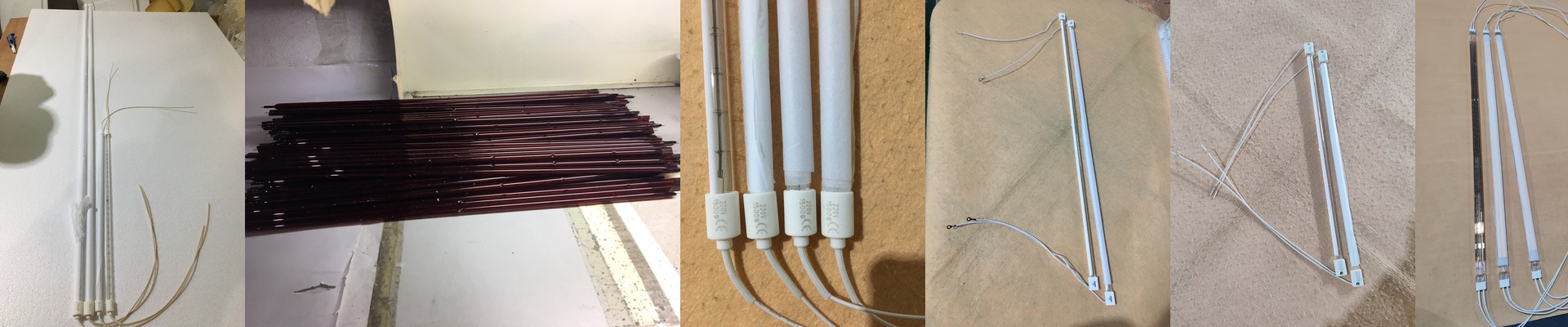
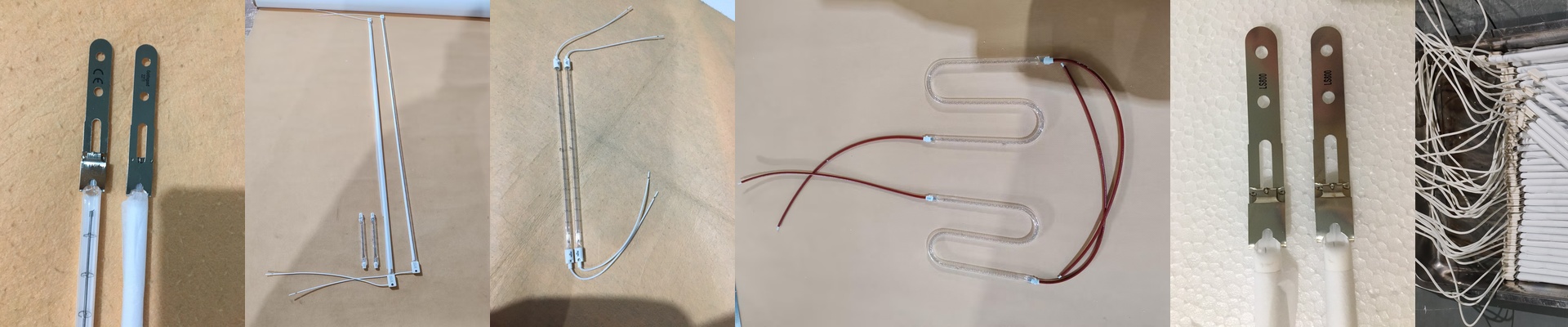
We use hard-quartz glass. Why? Because standard glass warps when things get screaming hot. A lot of our lamps also come with special coatings. These shift the spectrum so the heat actually sinks into the fabric rather than just scorching the surface and ruining the material. For the connections, we stick with R7s or Sk15. They just slide right into standard industrial sockets. They hold tight, too. You won’t have to worry about arcs or burnt-out wires when the machine starts vibrating at full tilt.
The Reality Check
Here is the thing: these high-density lamps put out a massive amount of heat. You can’t just plug them in and walk away. A 2500W tube is intense. If your cooling fans are weak or your heat shields are in the wrong spot, you’re going to fry your sensors and melt your wiring harnesses. You’ve got to make sure your ventilation can keep up with the output, or you’ll be replacing parts way sooner than you’d like.