Getting the Heat Right: A No-Nonsense Guide to IR Lamps for Textiles
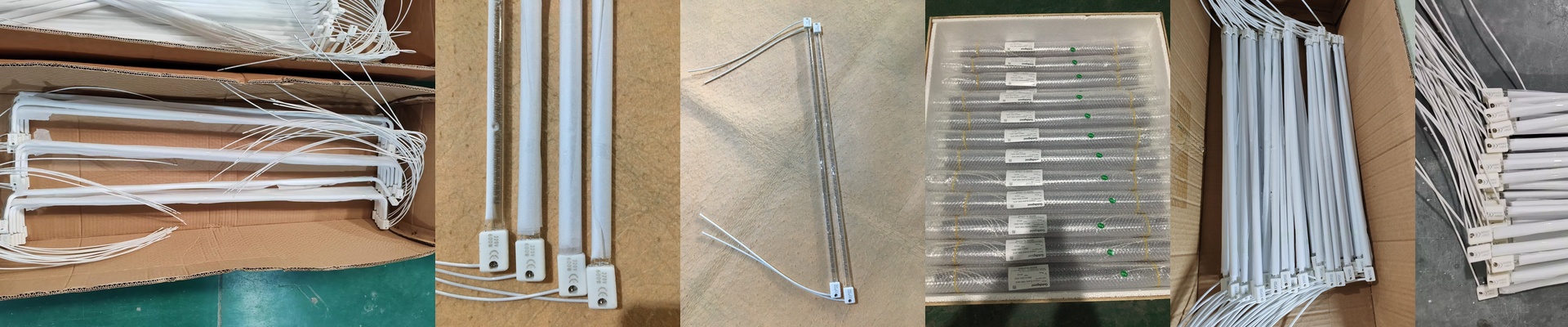
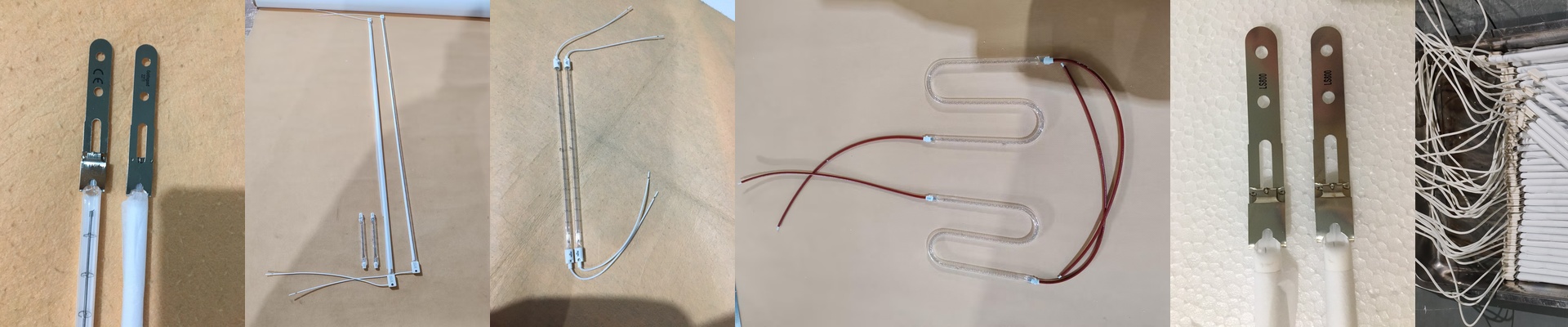
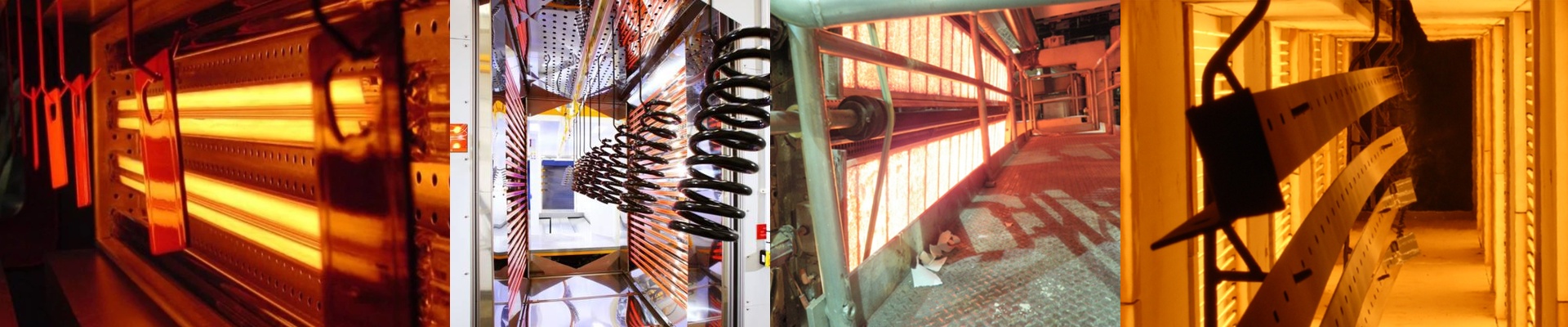
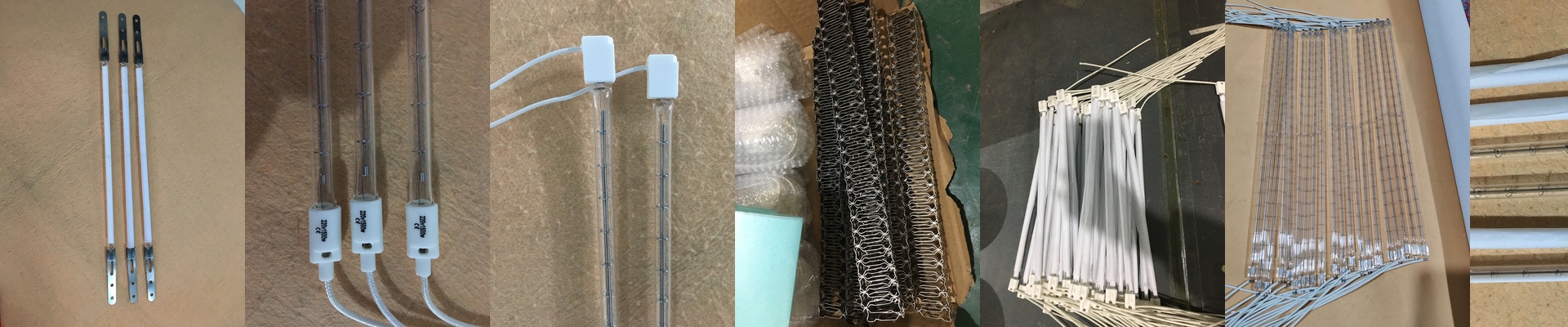
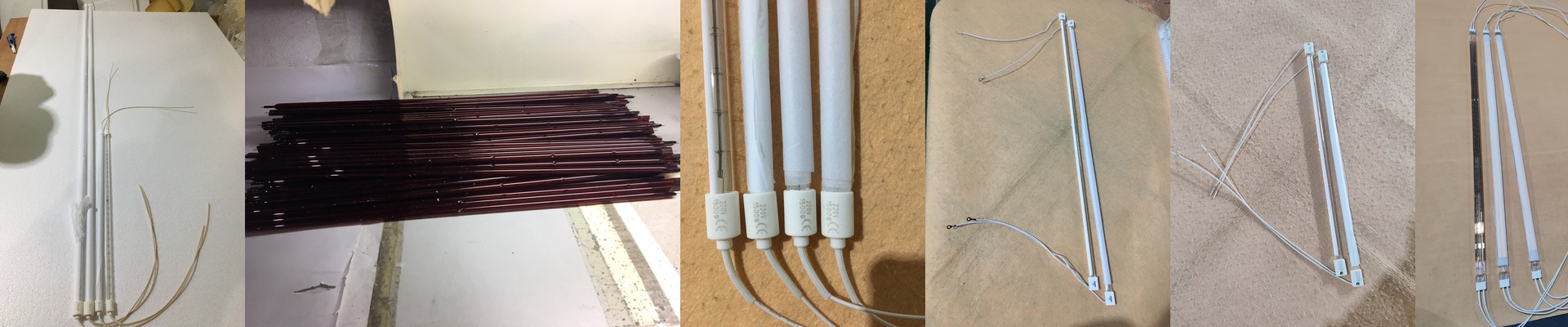
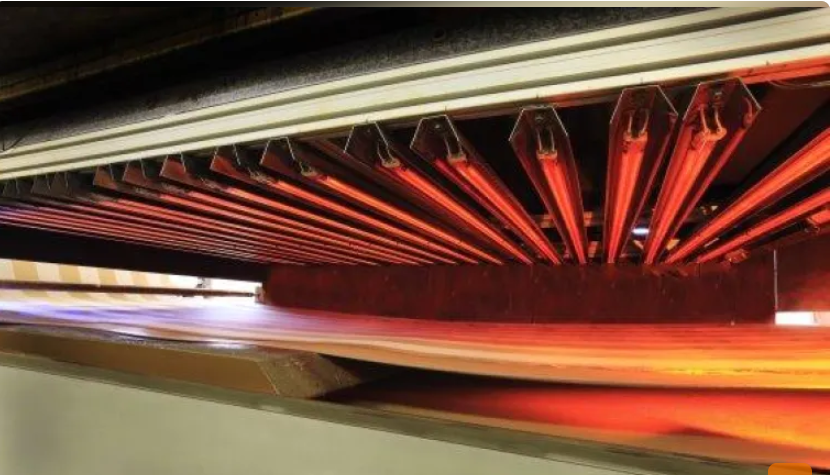
When you’re curing or drying fabric, you’re walking a thin line. You need enough heat to get the job done, but one wrong move and you’ve scorched your fibers. It’s a headache. That’s why we use short-wave infrared (SWIR) halogen lamps. Instead of wasting energy heating up all the air in the room, these lamps push the heat straight into the fabric. It’s direct, it’s fast, and it’s way more efficient. Let’s talk power. The amount of heat you get comes down to the wattage-to-length ratio. If you put a high-wattage tube in a short space, you’re going to feel a lot more “punch” (or heat flux, if you want to be technical). But here is the catch: your power supply has to be a perfect match for the lamp’s voltage. If it’s off, you’re asking for trouble. Either the lamp will burn out way too soon, or your fabric will just sit there, barely warm. What’s happening inside the lamp? We use high-purity quartz glass for the outer shell. Why? Because the filament gets incredibly hot, and regular glass would just crack under the pressure. Inside, there’s a “halogen cycle” happening. It basically keeps the tungsten from thinning out, which means the lamp lasts longer. Plus, some synthetic dyes are a bit finicky—they can fade or degrade if they hit raw UV or short-wave light. To fix that, we offer coated tubes that shift the light spectrum to keep your colors crisp. Getting it installed We stick with R7s or SK15 connectors. They’re simple, secure, and they fit right into most industrial housings without any fuss. No loose wires, no scary sparking at the terminals. Just a clean fit. One last thing. When you’re running these lamps at full blast, they put a lot of stress on your machine’s frame. You’ve got to make sure your cooling fans can actually handle the heat. If you don’t vent the air properly, the “heat soak” will eat your lamps alive and warp your reflectors. Keep it cool, and your gear will last.