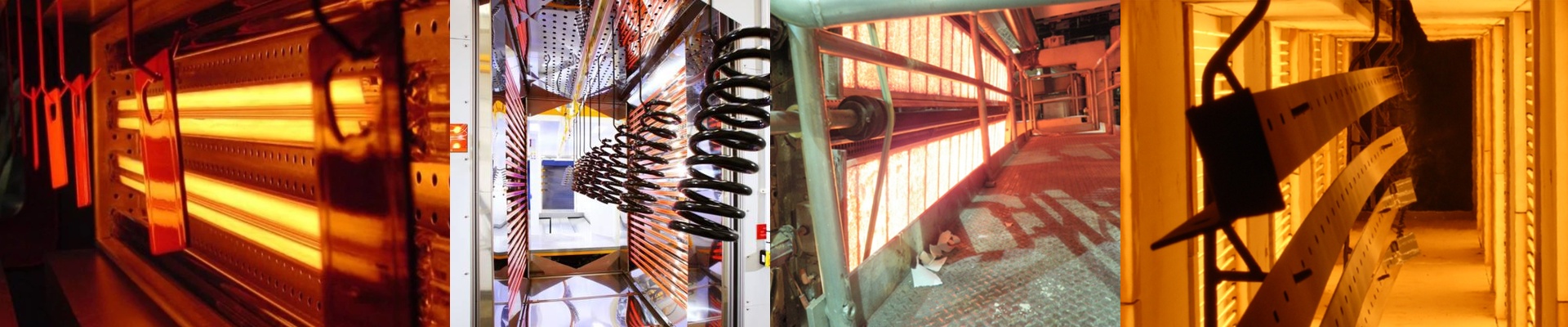
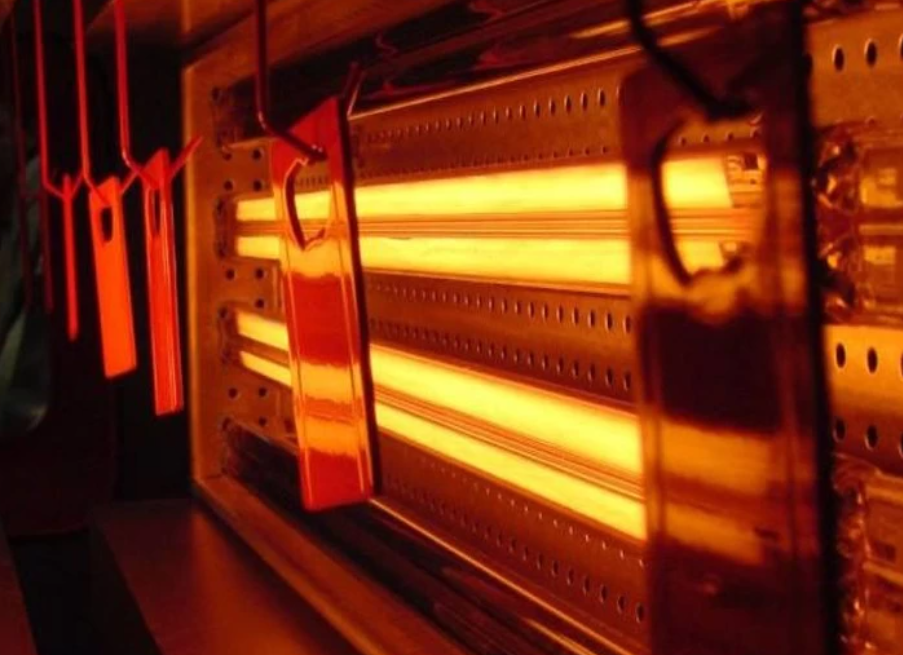
How Our Countertop Infrared Heaters Actually Work
We built these countertop heaters because we were tired of seeing people heat up a massive industrial oven just to cure a few small parts. It’s a waste of time and a waste of power. Instead, we use shortwave infrared (SWIR). Here is the secret: while a normal oven just heats the air around a part, SWIR shoots straight through the powder to heat the metal underneath. It’s the difference between waiting thirty minutes for something to bake and getting it done in under a minute.**It’s fast. Really fast.**And that changes everything for your daily workflow.
Getting the Heat Right
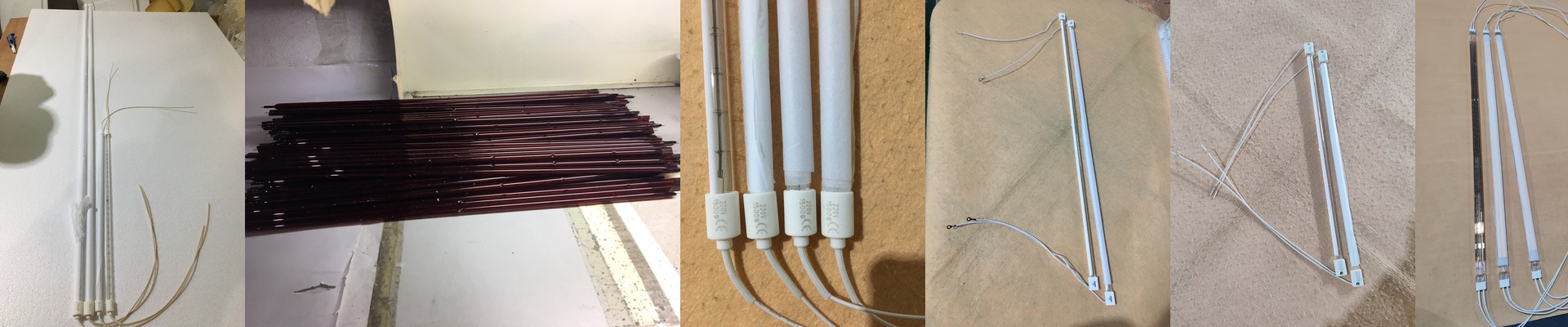
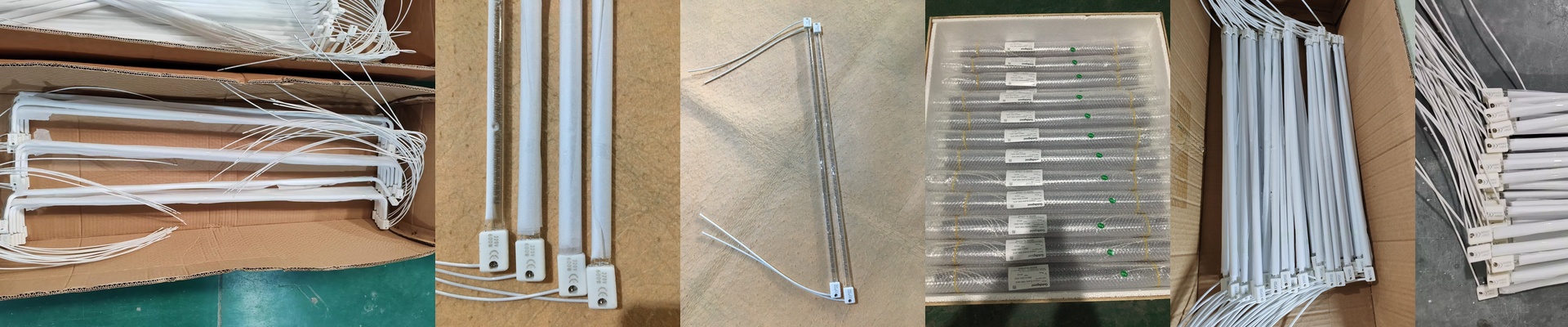
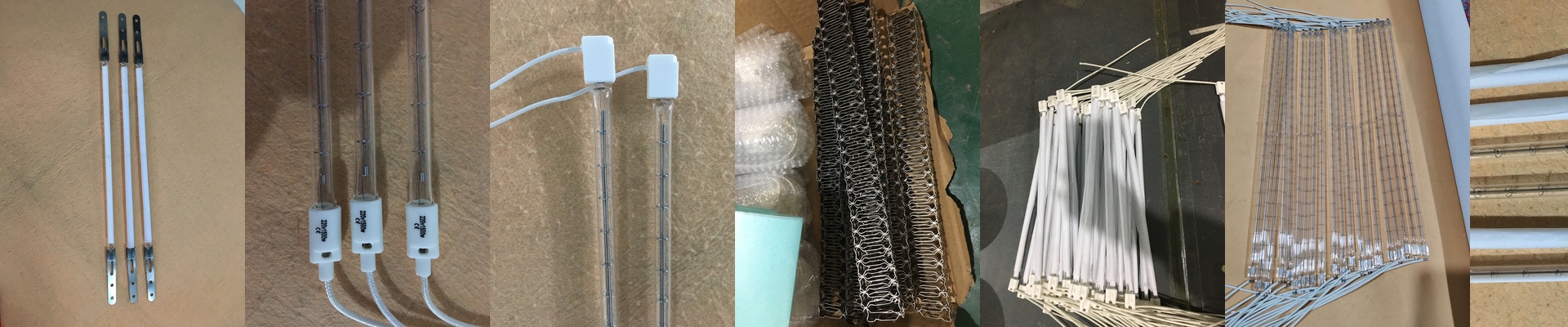
The heart of the whole thing is a halogen quartz tube. We pack a lot of wattage into a tiny space to get a massive hit of heat. If you run a high-voltage setup, you hit that curing temperature almost instantly. But you have to be careful. Your power supply needs to match the tube’s voltage and wattage exactly. If the voltage dips, the light spectrum shifts, and your powder won’t flow out the way it should. You’ll know something is off when the finish doesn’t look right.
The Hardware Side of Things
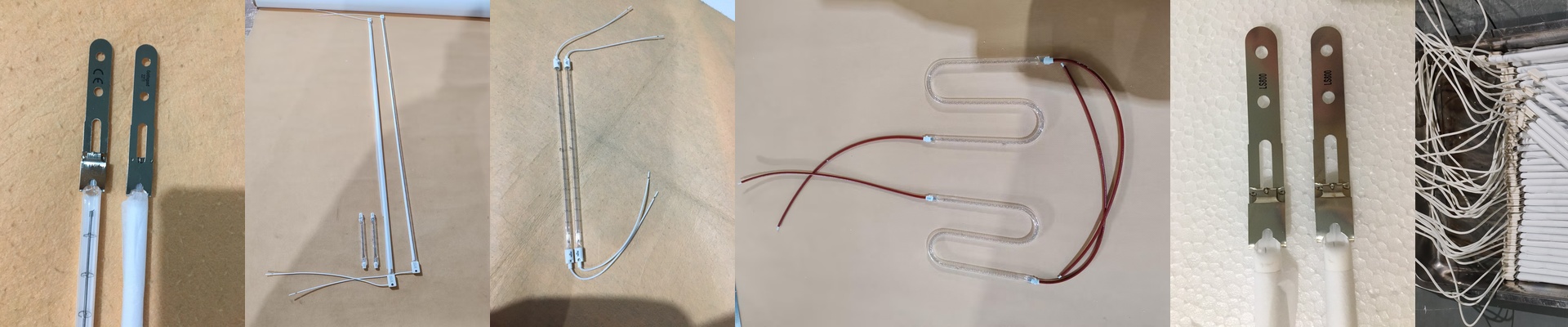
We use high-purity quartz glass because it can handle being blasted with heat and then cooling down quickly without cracking. Some of our tubes even have a special coating that bounces the heat forward. This means you aren’t wasting energy heating up the back of your machine. For the connections, we stick with standard R7s or SK15. They’re simple, they fit right into most industrial setups, and they keep the wiring tight so you don’t have to worry about arcing at the terminals.
Real Talk: The Trade-offs
Now, here is the catch. Shortwave heaters are like a shot of adrenaline—they hit hard and fast. This is great for getting parts out the door, but you can easily overdo it. If a part sits under the lamp too long, the powder will burn or turn yellow. You’ve got to be precise with your timer or your conveyor speed. Plus, these tubes put off a lot of ambient heat. If you’re running this on a countertop without any airflow, your electronics are going to cook.**Do yourself a favor: get a dedicated cooling fan for the control box.**Your gear will thank you.