Stop Treating Your Heaters Like On/Off Switches
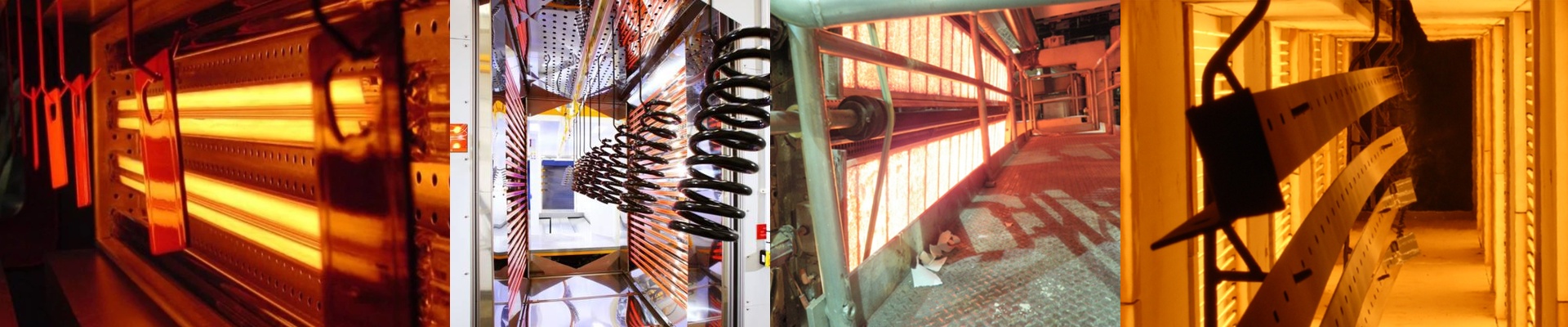
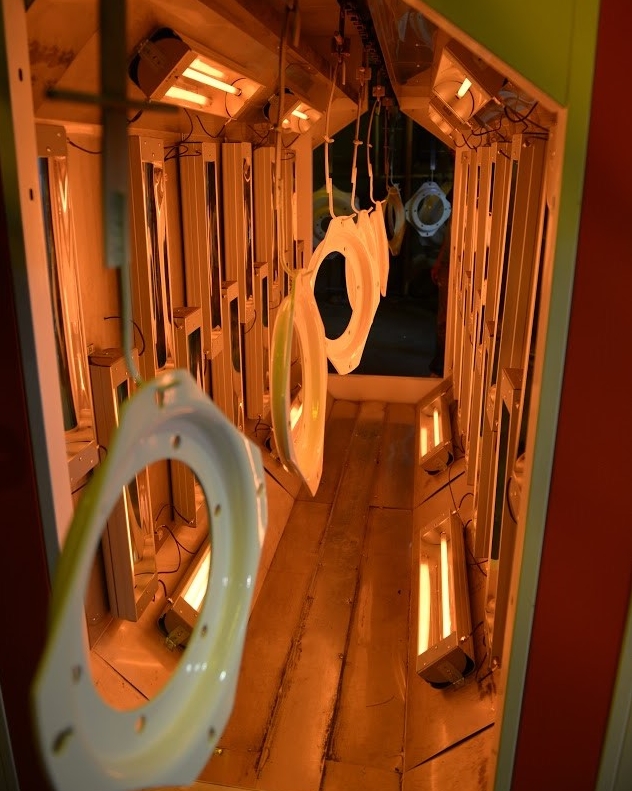
Most shops look at powder coating heaters as simple tools—you flip a switch, it gets hot, and you move on. But if you’ve ever pulled a part out of the oven only to find it scorched in one spot and under-cured in another, you know it’s not that simple. It really comes down to how the heat actually hits the metal. If that heat isn’t spread evenly across the whole piece, you’re just asking for trouble.
It’s Not Just About the Watts
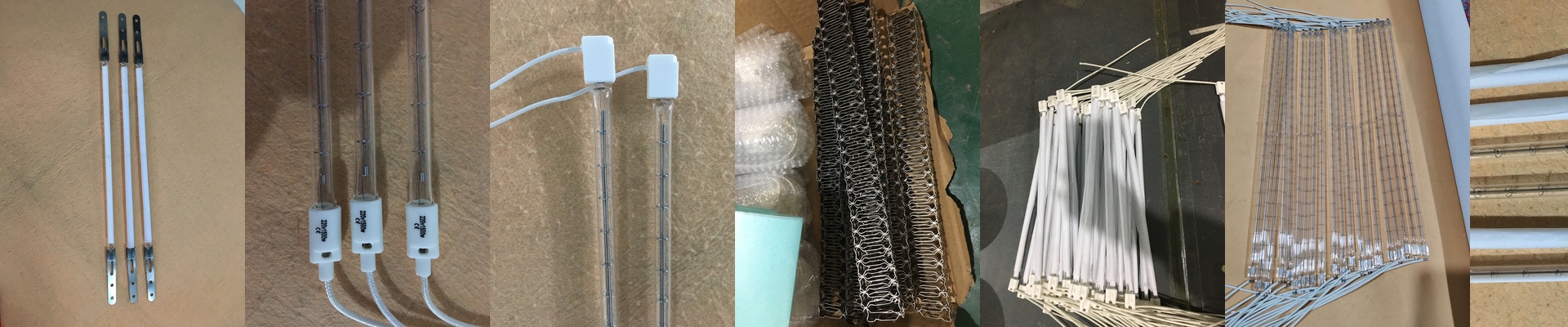
When you’re picking out a heating system, don’t get blinded by the wattage numbers. What actually matters is energy density. Think of it like this: a high-wattage quartz lamp focused on a small area creates an intense blast of heat. That’s great for getting your line moving fast. But if that heat isn’t balanced, you get “cold spots.” And cold spots mean the powder doesn’t stick. We spend a lot of time calibrating our lamps so the heat stays flat across the entire tube. No surprises. No failed adhesion. Just a consistent finish.
The Nitty-Gritty of Heat Transfer
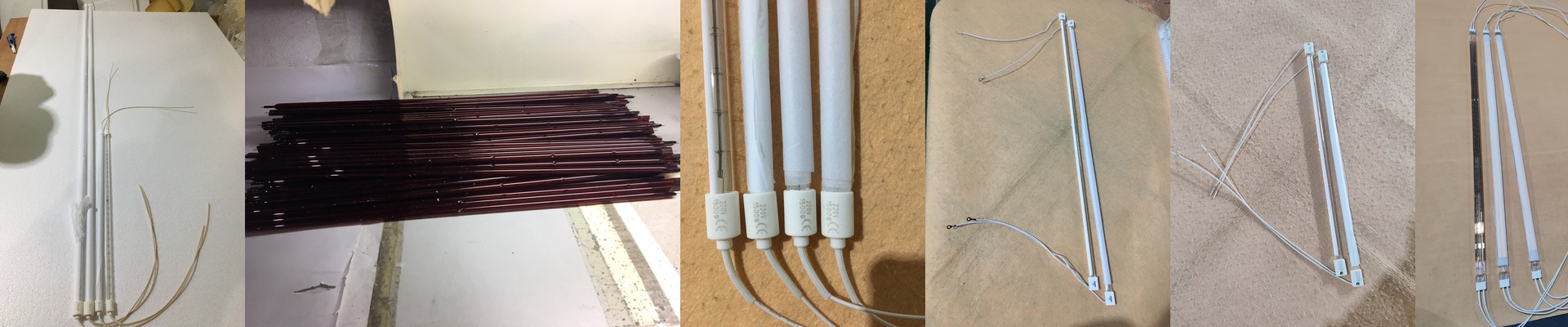
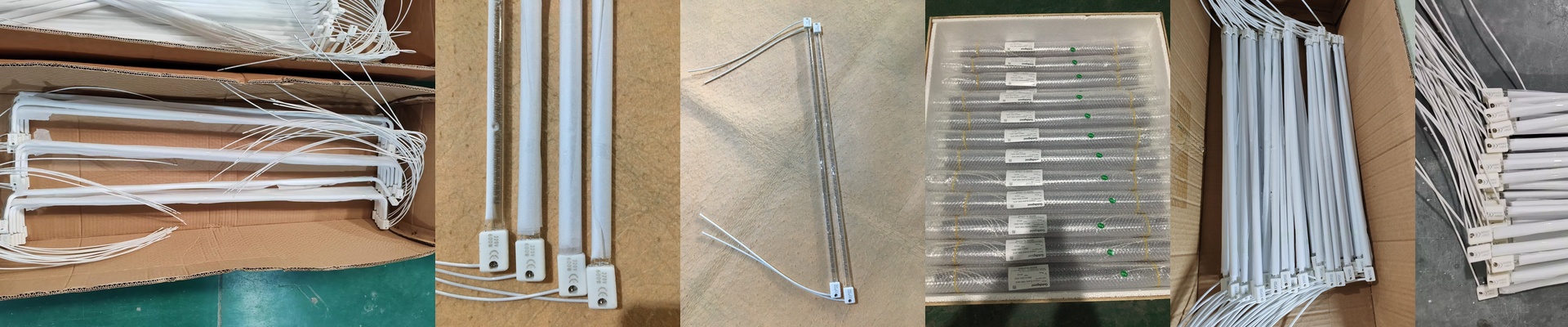
We use high-purity quartz glass because it lets the infrared energy through without fighting it. Then there’s the question of wavelength. Shortwave energy is aggressive. It hits the part fast and hard. It’s efficient, but it’s also demanding. Here is a pro tip: keep your voltage stable. If your power supply starts spiking, those filaments take a beating and burn out way sooner than they should. It’s a small detail that saves you a lot of money in the long run.
The Trade-Off
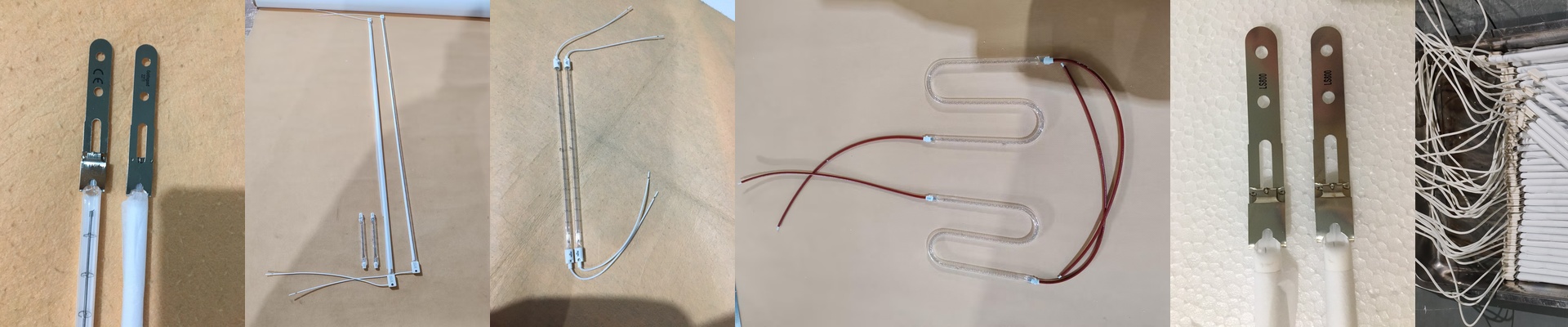
We make our heaters easy to swap out because nobody wants their line down for a day while they fiddle with installation. But there’s a catch. When you’re pumping out this much thermal energy, your oven’s ventilation has to keep up. If you aren’t moving the air around, you’ll end up overheating your conveyor parts and frying your own lamp sockets. We provide the raw power—the heat—but you’ve got to make sure your airflow is dialed in to keep the whole system from cooking itself.