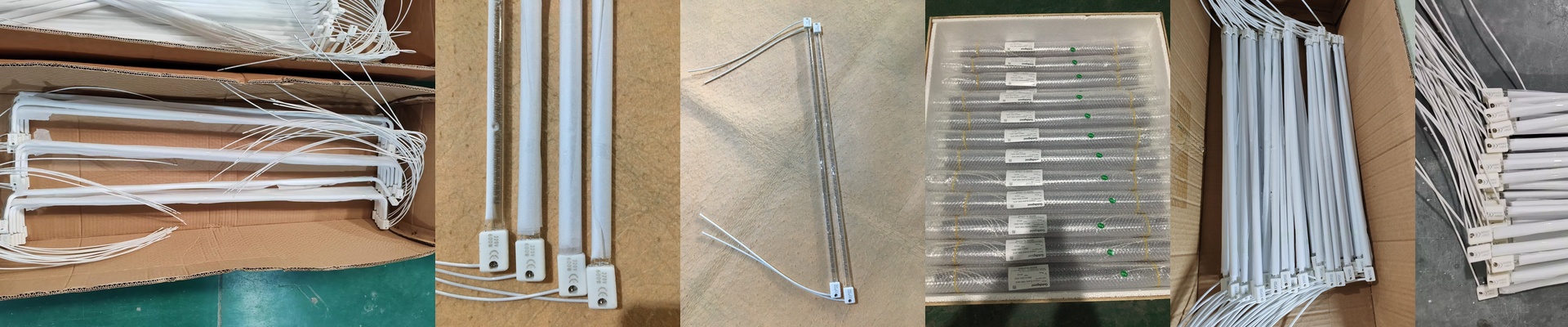
Let’s Talk About Industrial Halogen Heating Lamps
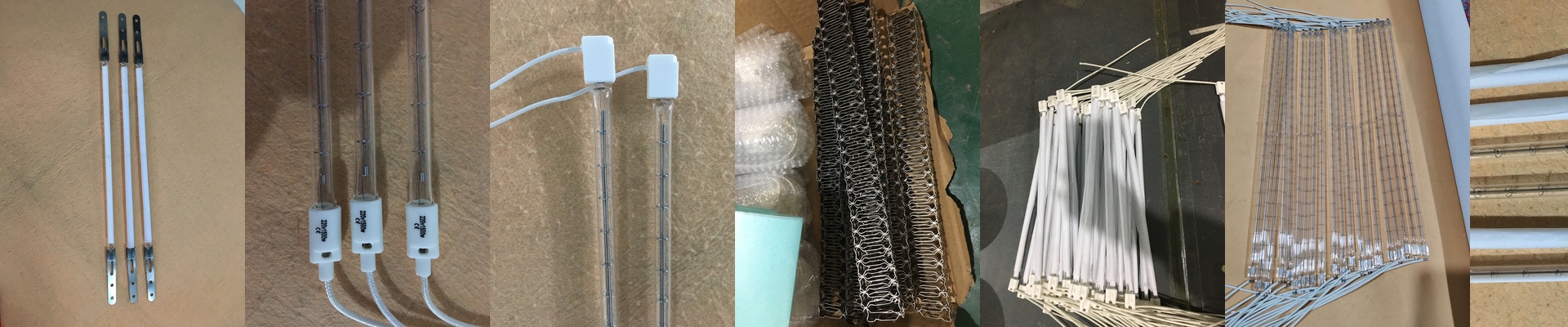
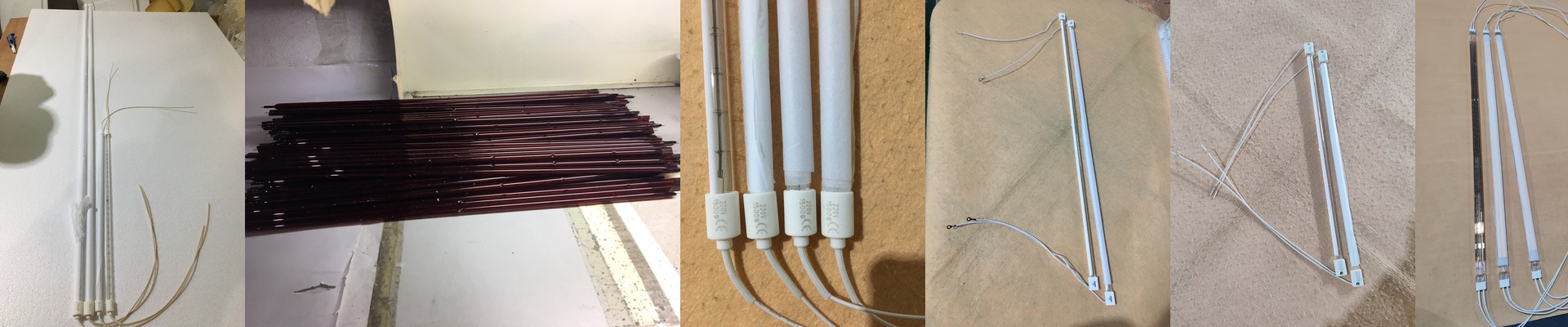
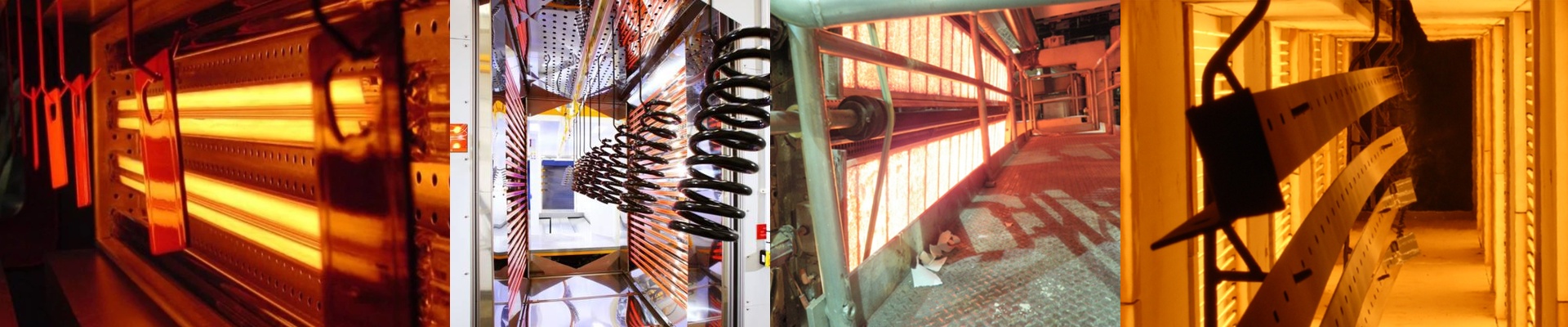
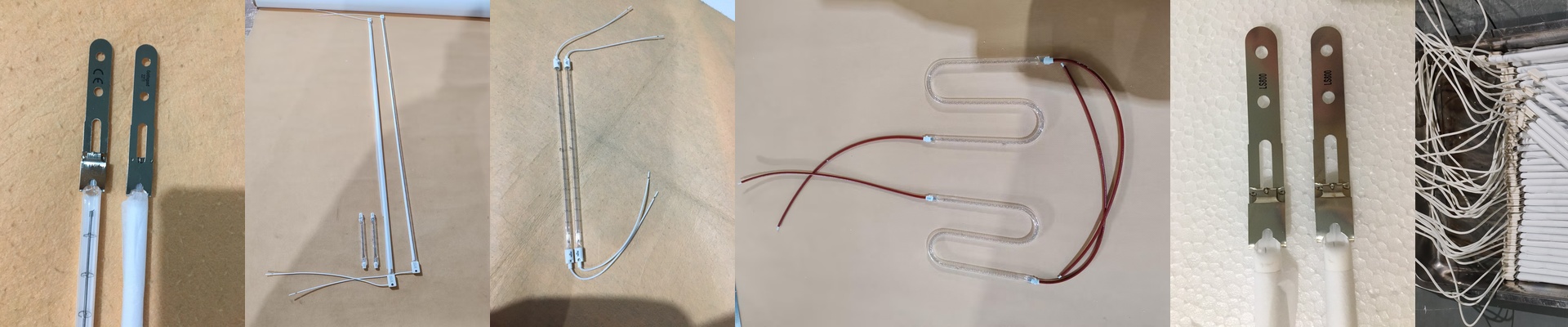
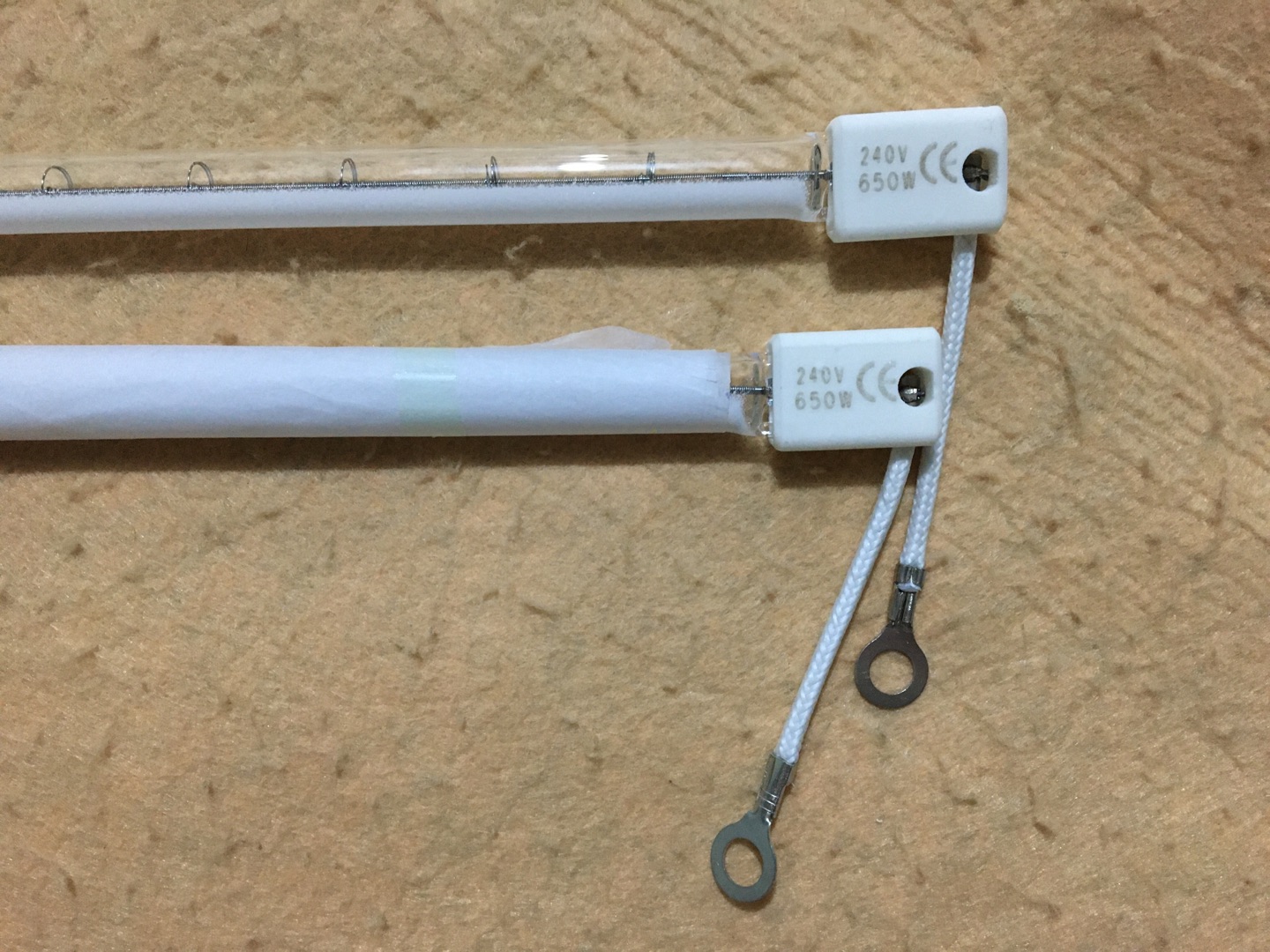
Ever wonder why some heaters just work while others struggle to get the job done? It usually comes down to how they handle heat. Our halogen lamps use a tungsten filament tucked inside a quartz tube and filled with halogen gas. Now, the gas isn’t just there for show. It actually stops the filament from evaporating too fast. That means we can crank up the heat way higher without the whole thing just burning out on you. Getting the power right When you’re picking a lamp, you’ve got to look at the voltage and wattage. Here’s the thing: if you go with high-voltage setups (like 230V or 400V), you can use longer tubes without seeing the temperature dip at the ends. A 2500W tube packs a serious punch. But be careful—your power supply needs to be ready for that first big surge of current when it kicks on. And please, double-check your cooling. If the system can’t handle the ambient heat, you’re looking at a warped housing, and nobody wants to deal with that. The build: Quartz and Connectors We stick with high-purity quartz because it doesn’t freak out when the temperature swings wildly. We can even coat them if you need to change how the heat hits your material or want more reflection. As for the plugs, we mostly use R7s or Sk15 connectors. They’re simple, they fit right in where your old heaters were, and they stay put. That’s a big deal when your machines are vibrating all day. Where this actually matters If you’re blowing PET bottles or welding plastic, these are your best friend. Instead of just heating the surface and hoping for the best, the short-wave radiation sinks deep into the material fast. It makes your cycle times way quicker. But there is one catch. These things are incredibly picky about cleanliness. Seriously, one single fingerprint on the quartz can create a “hot spot.” When the lamp heats up, that spot becomes a weak point, and the glass can just crack. Keep them clean, and they’ll last. Simple as that.