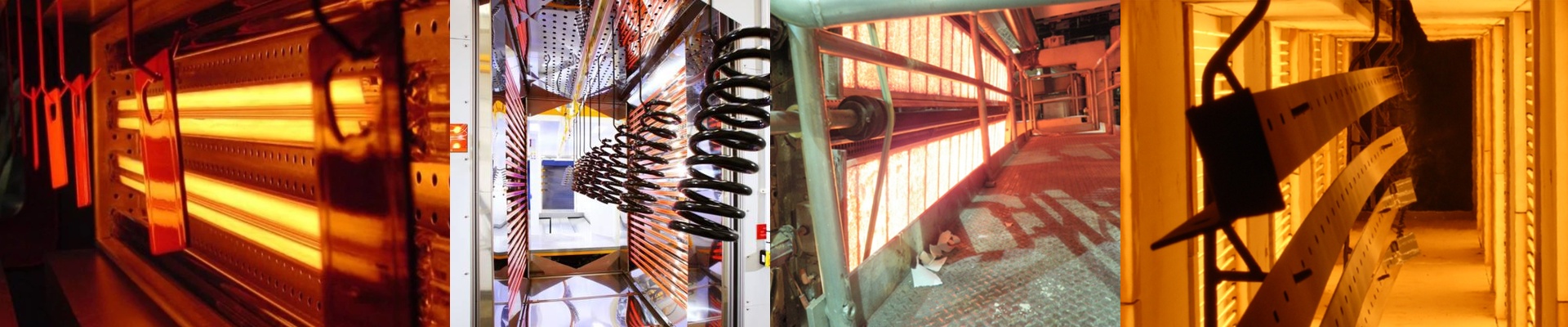
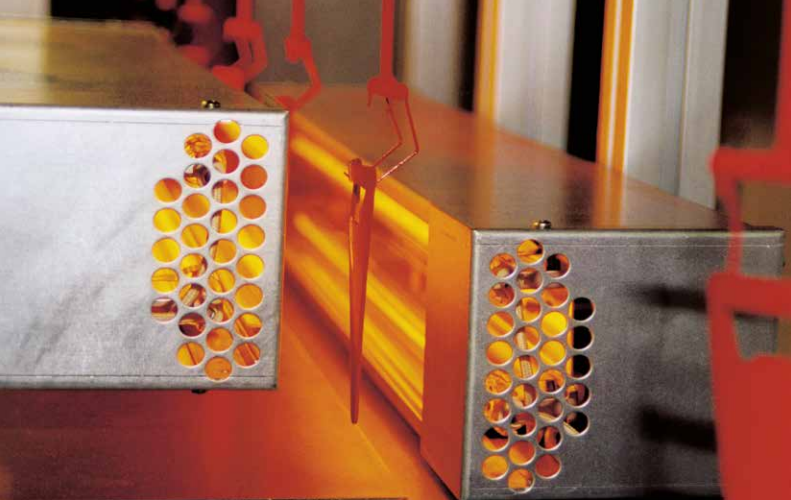
When you’re looking to shave some money off your energy bill, swapping out the old heating elements in your powder curing line seems like a no-brainer. You might figure that tossing out the old resistors and sliding in some new infrared (IR) elements is all it takes to get your productivity back up. But here’s the thing: it usually isn’t. IR is great because it’s direct. Instead of wasting time heating up the air first, it hits your parts immediately. You get faster ramp-ups and shorter cure cycles. It feels like a win. But if you just drop those new lamps into an old, tired oven shell, you’re basically throwing money away. If your walls are leaking, you aren’t heating your parts—you’re just paying to heat the factory floor. This is where most people miss a step: the insulation. Most of these old ovens are stuffed with mineral wool or fiberglass that’s been sagging and degrading for ten years. It creates these “thermal bridges” where heat just escapes. Try this: grab a thermal camera and scan the shell for hot spots. If the outside skin feels hot to the touch—anything over 50°C—your insulation is toast. Swapping that old stuff for high-density ceramic fiber boards or fresh rockwool makes a world of difference. It takes the pressure off your IR elements, so they don’t have to run at full blast just to keep the temperature steady. Now, there is a catch. When you move to high-output IR, you’re packing a lot more heat into that chamber. Your throughput goes up, which is awesome, but it puts a lot more stress on your fans and exhaust. If you don’t tweak your airflow to handle the extra heat, you might end up overheating the outer frame or tripping your thermal cut-offs. Get the wiring right, plug those insulation gaps, and you’ll actually see the kWh per part drop. Just swapping the lamps is like putting a bandage on a leak; fixing the insulation is how you actually solve the problem.