
Stop Letting Your Curing Line Hold You Hostage
If you’re running a high-volume powder coating operation, you know the headache of waiting on parts. Switching your curing line over to domestic shortwave IR lamps isn’t just about saving a few bucks on a part. It’s about the logistics. Too many shops realize too late that relying on proprietary, imported heating elements is basically building a bottleneck into their own business. When your OpEx starts climbing because of shipping and tariffs, it hurts.
How the heat actually works
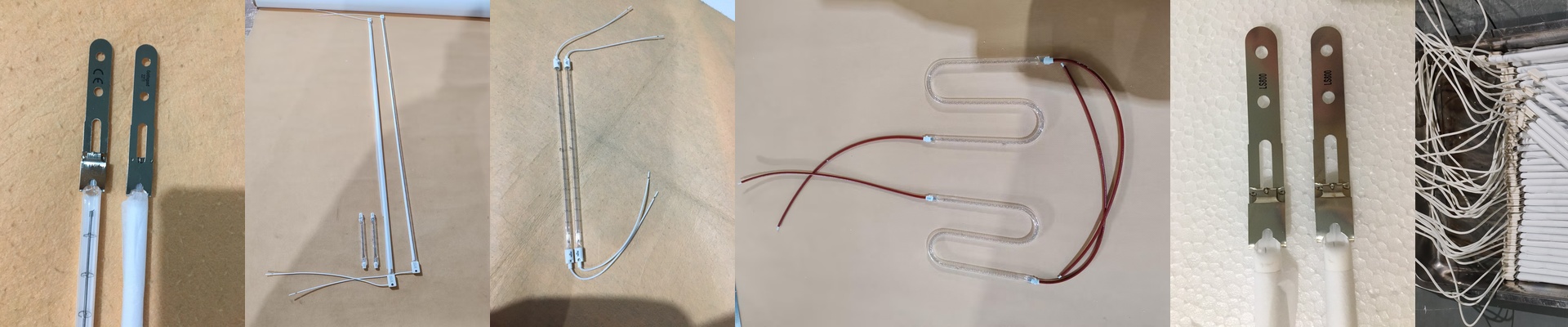
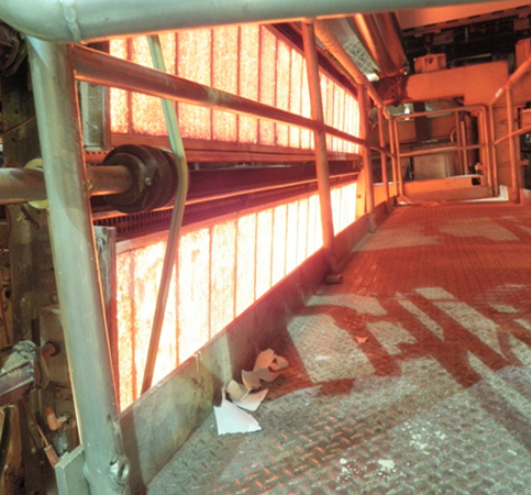
Think of it this way: convection ovens waste time heating up the air first. Shortwave IR doesn’t bother with that. It hits the powder layer directly. We build these tubes to hit a very specific wattage-per-centimeter. The goal is to get that powder to its gel point and fully cured without baking the actual metal substrate. It’s a balancing act. You’ve got your lamp power on one side and your conveyor speed on the other. If you crank the wattage but keep the belt moving slow? You’re going to scorch your finish. Simple as that.
The nuts and bolts of installation
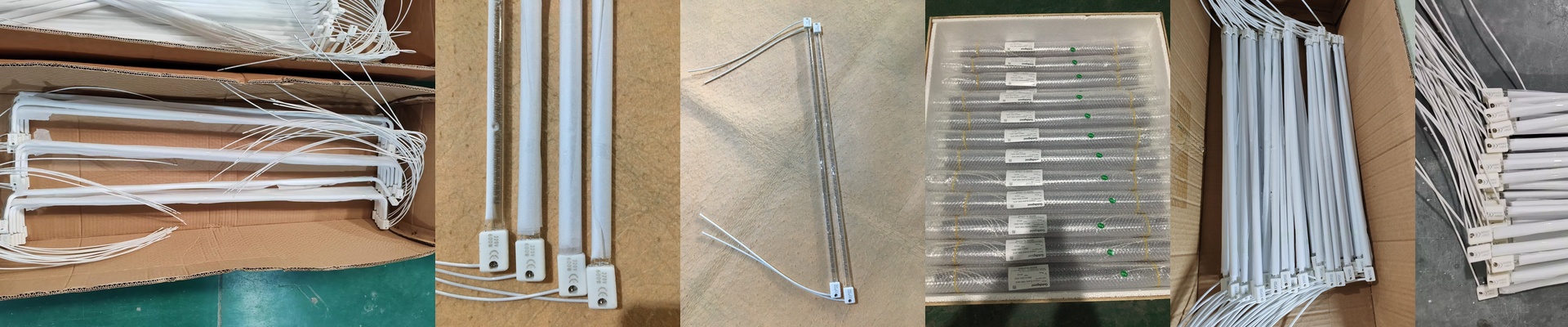
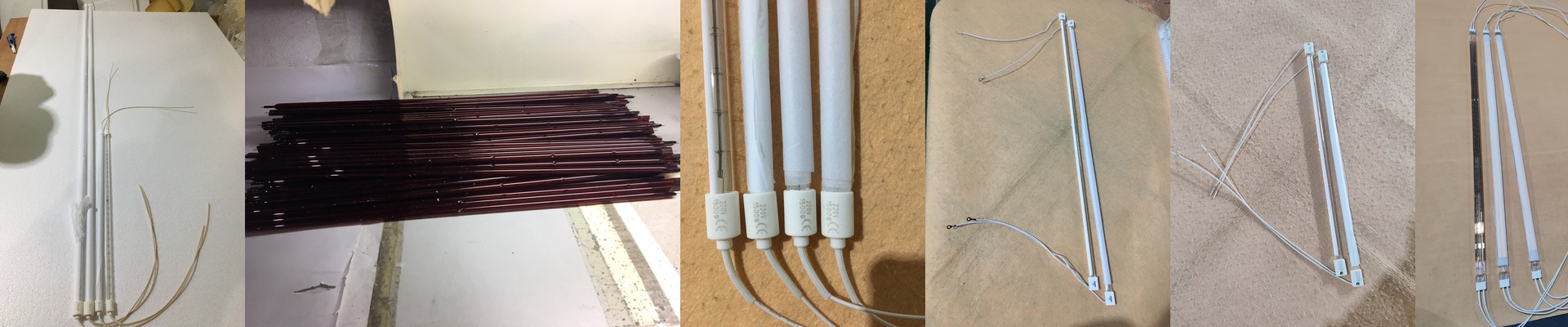
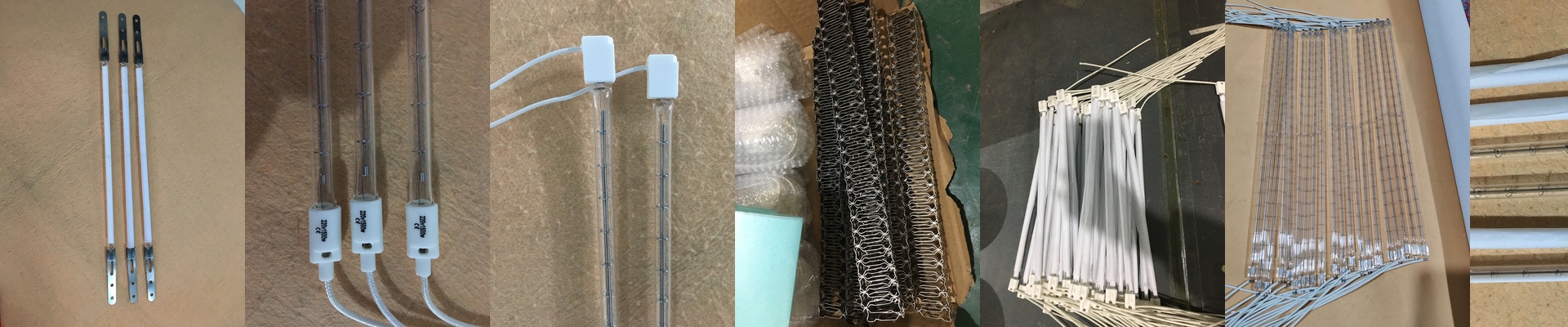
We stick with quartz glass and tungsten filaments because they keep the heat steady. Most of our tubes use R7s or SK15 connectors, which means they usually just slide right into the housings you already have—whether they’re American or European. You don’t need to rip out your control panel or spend a weekend rewiring everything. Just double-check your voltage. If you plug a 400V lamp into a 230V system, it’s going to pop instantly.
The real-world math
Here is where it gets interesting. Domestic lamps are cheaper, sure. But the real win is the lead time. Imagine it’s Tuesday morning and a lamp burns out. Do you really want to wait three weeks for a shipment from overseas while your production line sits dead? Of course not. Every hour that line isn’t moving is money leaking out of your pocket. Now, there’s a small trade-off. Domestic tubes might not last quite as long as those ultra-premium, name-brand imports. You might find yourself replacing them 10% more often. But when you save 60% on the cost of the part and you never have to deal with shipping delays again? The math just works. For a busy shop, it’s a no-brainer.