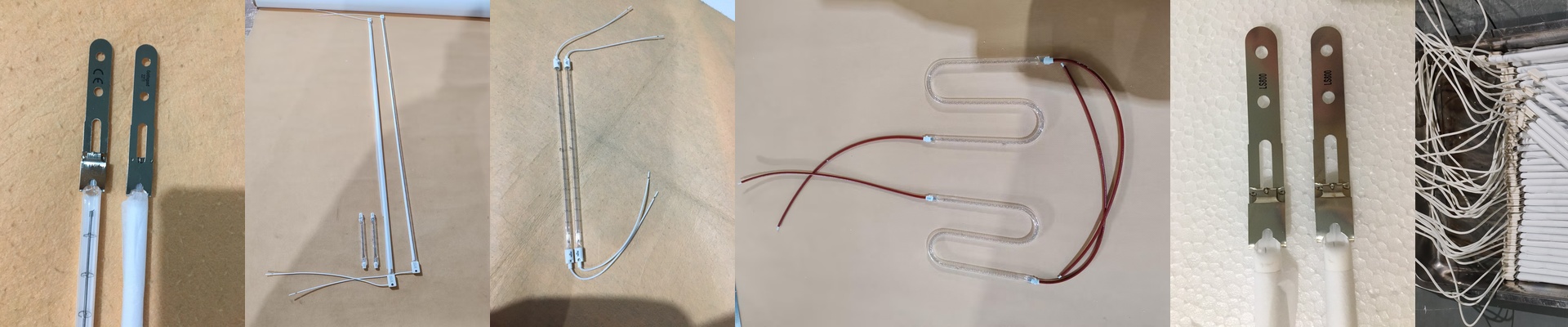
Stop Guessing When Your IR Lamps Will Die
For a long time, metal finishing has been all about the “set it and forget it” timer. You turn the heat on, hope for the best, and pray nothing goes wrong. But that’s a stressful way to run a shop. We’re moving toward something better. Instead of waiting for a part to fail QC before realizing a lamp is dead, we’re using systems that actually tell you when a bulb is about to quit. It’s not some fancy, over-complicated software package. It’s just about paying attention to the electricity.
How the “Brain” Works
To make this work, you need a baseline. If you’re running a high-wattage shortwave infrared (SWIR) array, the system keeps an eye on the current draw and the light it’s putting out. Here’s the thing: as a quartz tube wears out or the tungsten filament gets thin, the electrical resistance shifts. We’ve built the logic right into the controller to catch those tiny changes. You get an alert. You swap the lamp during your scheduled downtime. No more stopping the entire line in the middle of a hectic shift because a bulb popped.That’s a huge weight off your shoulders.
The Physics (Without the Headache)
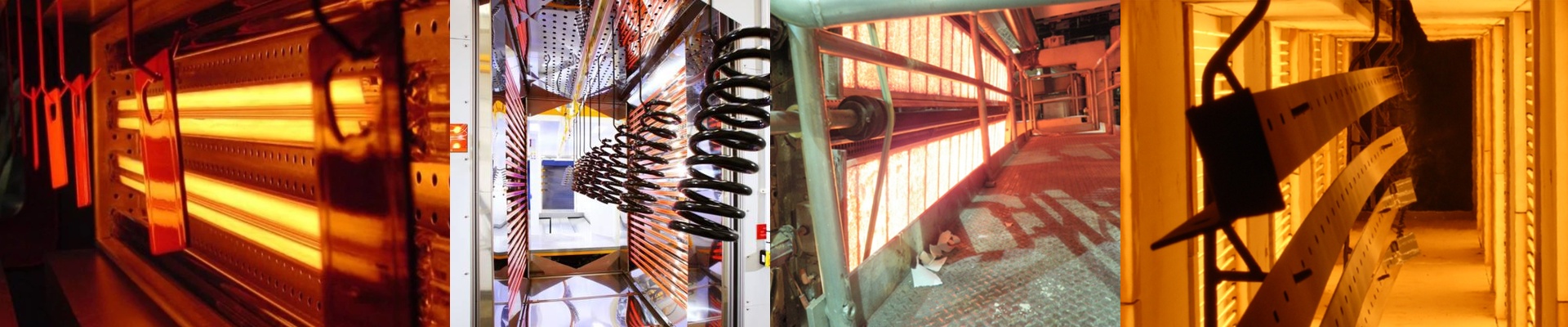
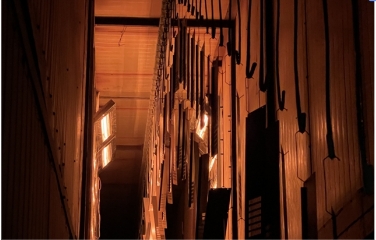
If you want to stop wasting energy, you have to be smart about where the heat goes. We use special coatings on the quartz envelopes to tune the wavelength. This makes sure the heat hits the coating layer, not the metal underneath. Shortwave emitters are incredibly fast. They get up to temp almost instantly, which means your curing oven doesn’t have to be a mile long. But there is a catch. High heat density puts a massive load on your power. You can’t just plug these into a wall outlet and hope for the best. You’ll trip the breakers immediately. You need a power supply that can handle that initial “inrush” of current when the lamps kick on.
Making it Work on the Floor
To get this kind of intelligence, we have to ditch the old-school relays. Instead, we use PLC-controlled SCRs. Why? Because it lets you dim the power and modulate it precisely. You stop baking your parts and wasting electricity. You get a perfect, repeatable cure every single time. And the best part? If a lamp does fail, the system doesn’t just give up. It automatically boosts the lamps next to the dead one to fill the gap. That buys you enough time to get a replacement in without ruining your production run.