Getting Your Powder Coating Cure Right Without Breaking the Bank
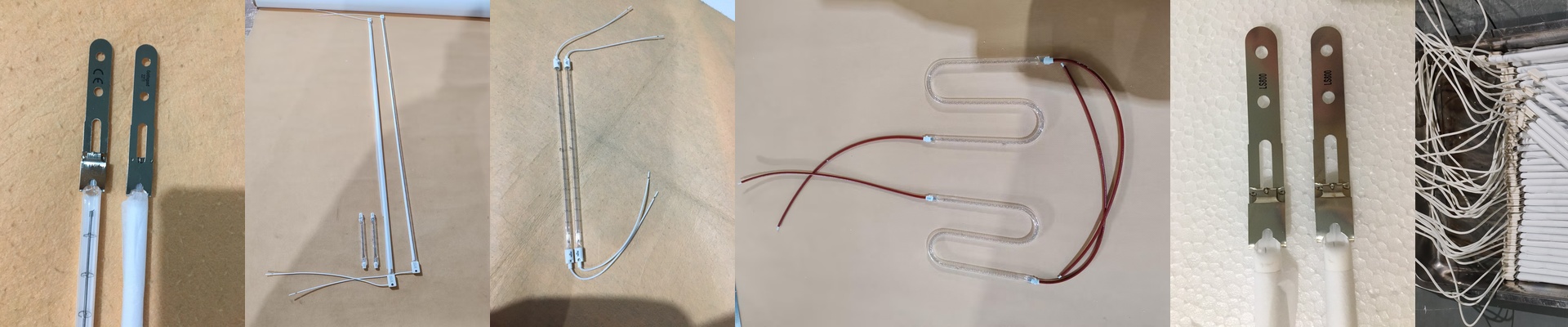
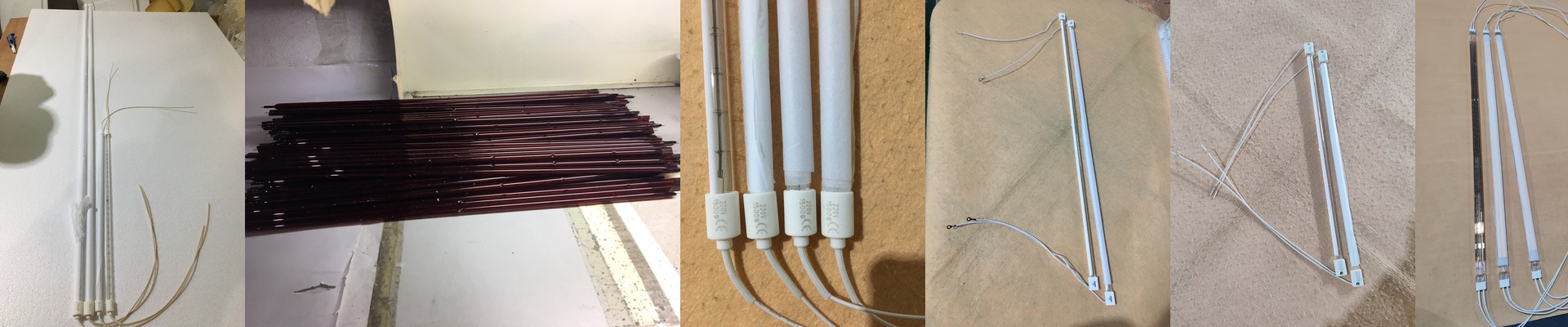
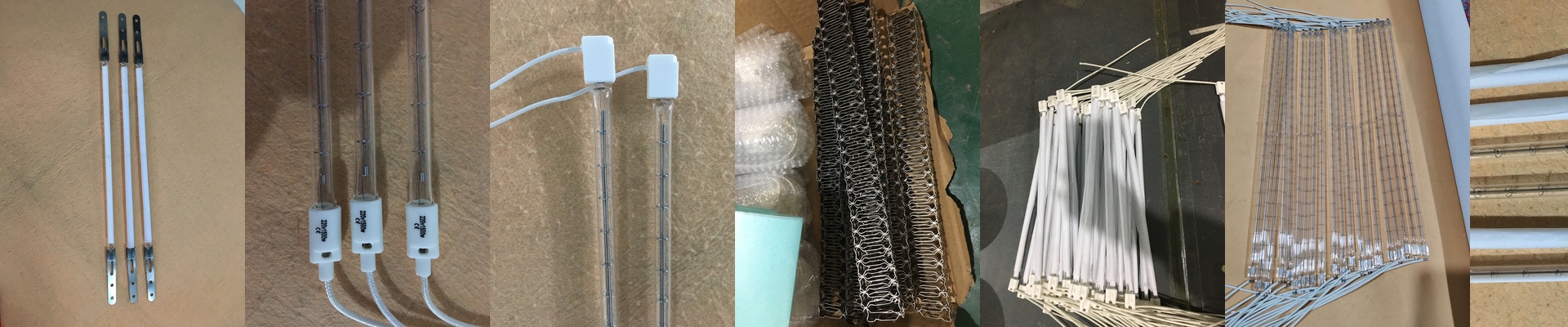
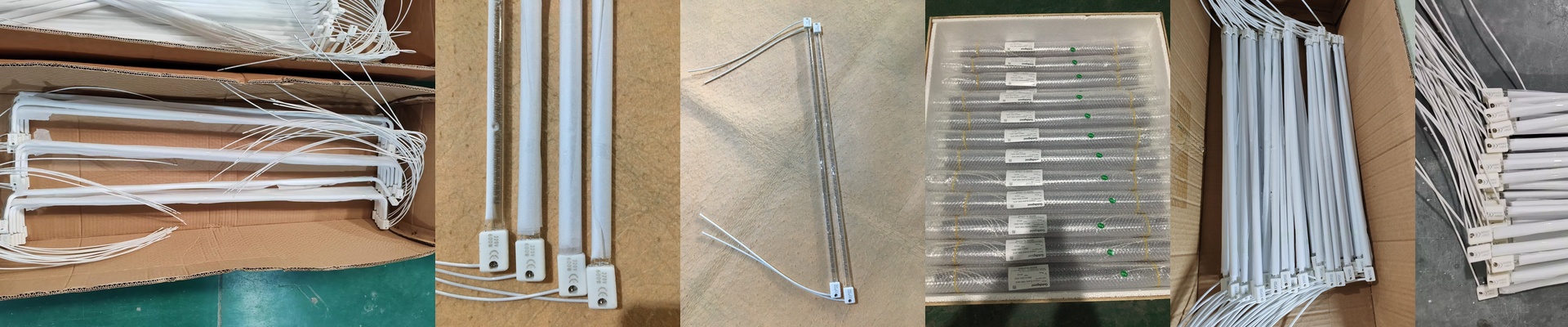
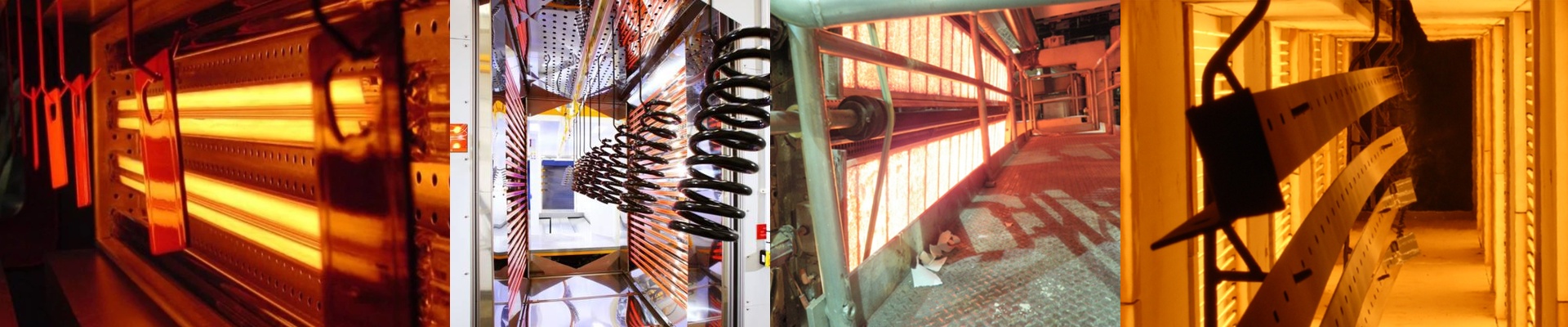
Let’s be honest: most small to mid-sized powder coating shops are stuck between a rock and a hard place. You’ve got the dirt-cheap heaters that break every other week, or those massive big-brand systems that cost more than your first house. We got tired of that. So, we built infrared lamps that actually bridge that gap. No fancy markups, just the same heat density and speed as the expensive stuff. The secret is in the heat density. In this business, you need to hit that curing temperature fast. If you don’t, the powder doesn’t flow and cross-link properly, and you end up over-baking the part. We build our lamps with high wattage-per-centimeter so you can get that rapid ramp-up. The best part? You don’t need a massive oven taking up half your shop floor. You get more parts out the door in less time. Just a heads-up: if you’re running a high-voltage setup, double-check your wiring and contactors. You don’t want them burning out because they couldn’t handle the load. About the glass and the “science” part… We use high-purity quartz glass to hold the halogen filament. Why? Because it doesn’t crack when you’re cycling the heat up and down rapidly. Depending on what you’re coating, you can pick clear or coated tubes. If you’re dealing with thicker powder layers, go with the coated ones—they push the infrared spectrum deeper into the powder. And we kept the connectors standard. I can’t tell you how many times we’ve seen shops struggle with custom adapters. With these, it’s a direct drop-in. Swap a dead lamp, flip the switch, and you’re back in business. No downtime, no headaches. The real-world stuff These heaters are a dream for aluminum or steel parts, especially when you need localized heat or a quick turn. Plus, your electricity bill will actually look reasonable compared to those old convection ovens. But here’s the thing: infrared is line-of-sight. It’s like a flashlight. If your parts have deep pockets or weird, complex shapes, you can’t just set it and forget it. You’ll need to angle the lamps or use reflectors to make sure you don’t end up with cold spots. It all comes down to the spacing. Get that right, and you’re golden.