Getting the Heat Right: A No-BS Look at Our Powder Curing Lamps
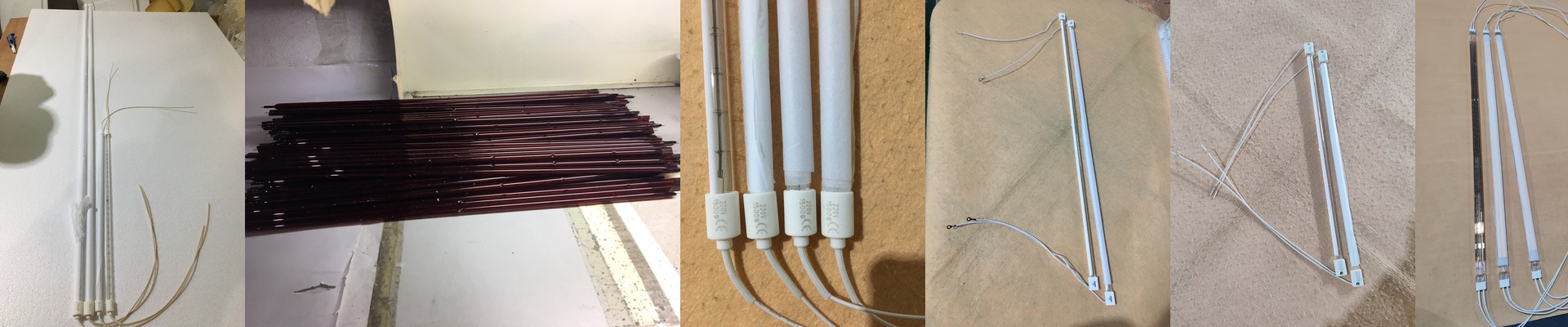
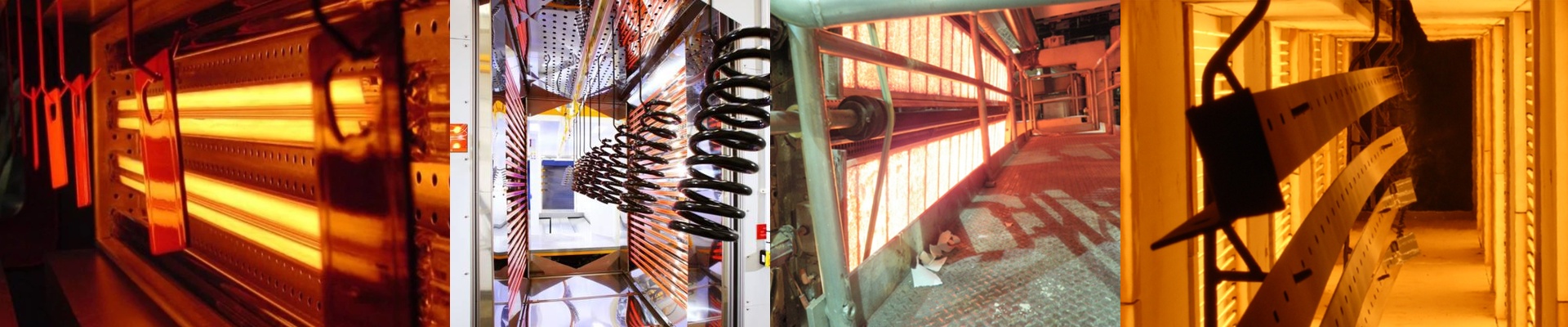
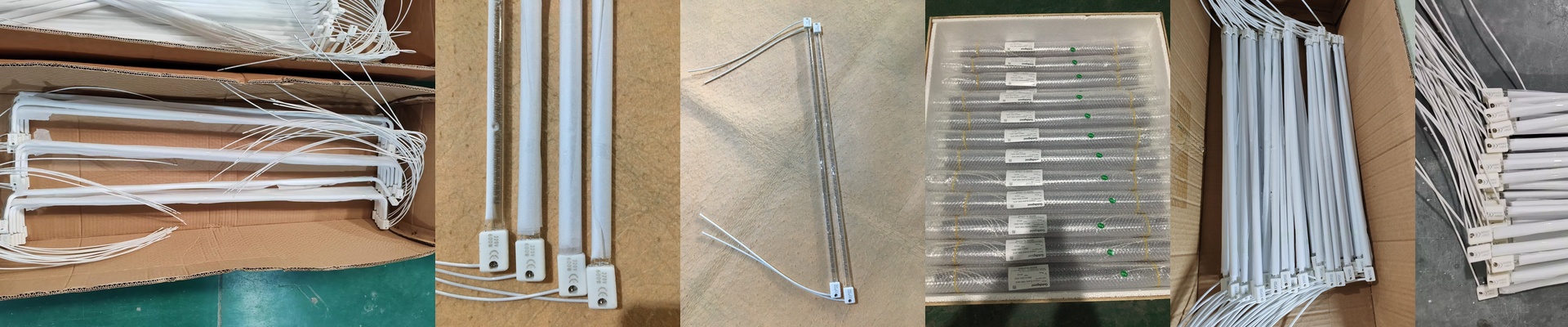
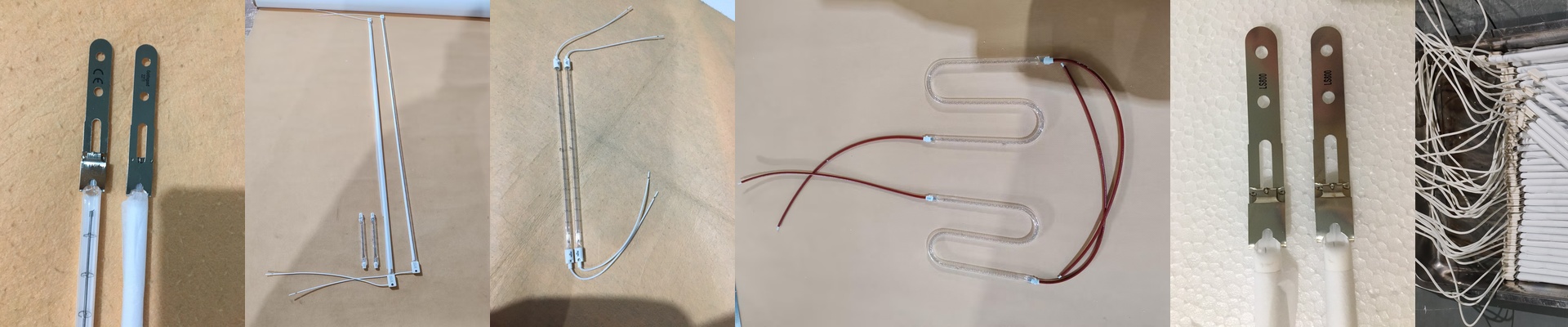
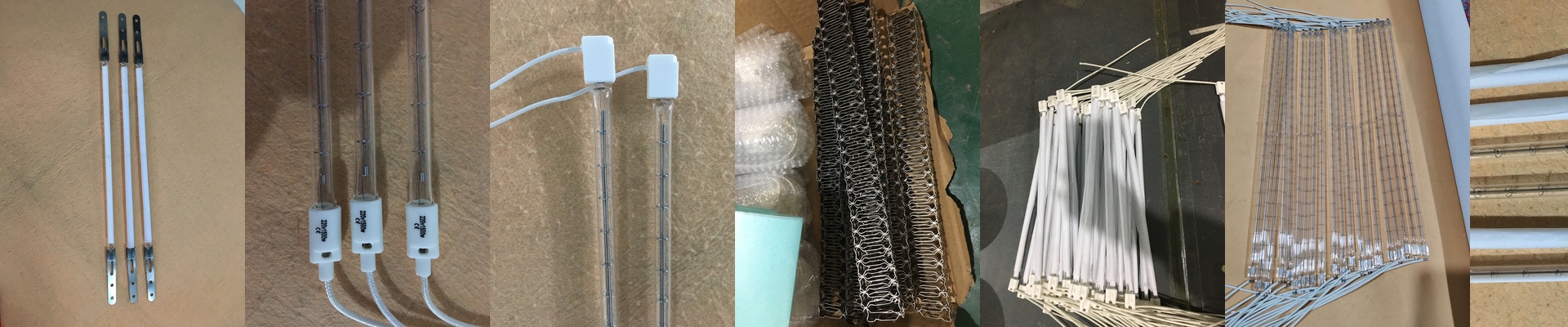
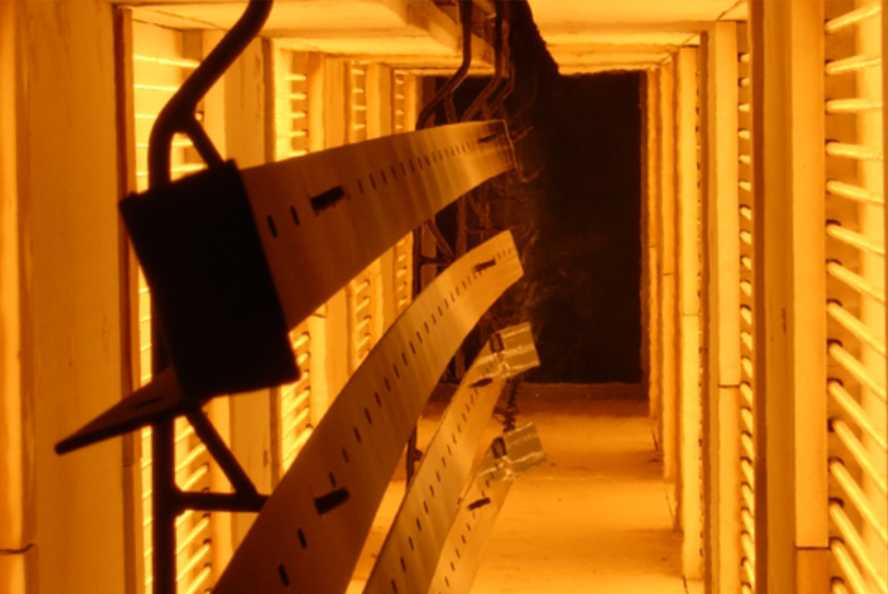
Getting powder coating to cure properly is a balancing act. You need enough heat to get those polymers to lock together, but not so much that you torch your parts. We build our lamps to hit that sweet spot using high-intensity infrared radiation. Simple as that. Let’s talk power. We push a lot of wattage through these lamps because we know you want your cycle times to be as short as possible. When you run a high-voltage tube, the heat stays concentrated. The powder melts and flows faster, which means you get your parts out the door quicker. But here’s the catch: you’ve got to match your power supply to the lamp’s voltage. If you push too much voltage, you’ll fry the tube. Too little? You’ll end up with “orange peel” textures and an uneven finish that looks amateur. The build quality We use heavy-wall quartz glass. Why? Because rapid heating and cooling is brutal on materials, and this stuff can take the shock without cracking. We also spent a lot of time on the filament placement to make sure the heat actually hits the part where it needs to. Some of our lamps even have special coatings that push the heat deeper into the powder rather than just searing the surface. And don’t worry about the installation. We use standard industrial connectors. They’re basically “plug and play” for most big-brand systems, so you won’t have to tear apart your chassis just to get them wired up. The trade-off Look, these lamps put out a massive amount of heat. It’s great for your throughput, but it’s a lot for your ventilation to handle. Make sure your exhaust system is up to the task, or you’ll risk overheating the whole housing. We’re not into the flashy marketing stuff. We just care about the physics of heat transfer. If our lamps don’t perform as well as the expensive big-name brands you’re using now, we’ll give you your money back. Period.