Stop Just Buying Lamps—Start Fixing Your Process
Most suppliers will just toss a tube and a datasheet in a box and call it a day. But here’s the thing: a curing lamp isn’t just a part. It’s one piece of a much bigger heat puzzle. If your coating line is acting up, the lamp usually isn’t the villain. It’s more about whether the light coming out of that lamp actually plays nice with the material you’re coating.
Getting the Heat Right
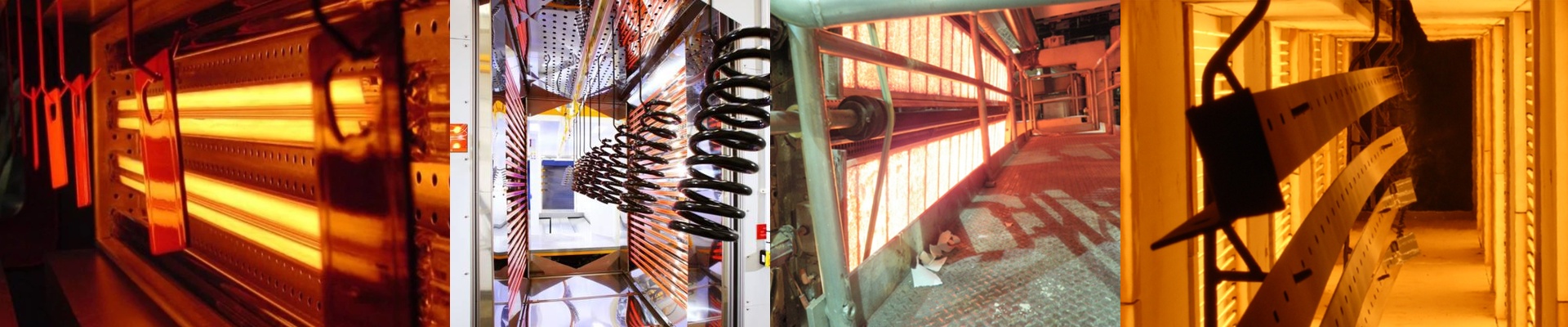
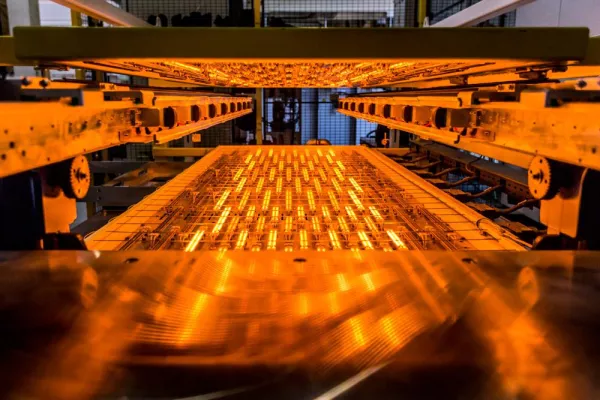
Curing is a balancing act. You need enough energy to get the chemistry moving, but not so much that you torch the surface. We look at wattage per linear centimeter to get this right. If you go with high-wattage shortwave lamps, the heat hits fast. That’s great because you can speed up your conveyor and save a ton of floor space. It’s fast. Really fast. But there’s a catch. You have to make sure your cooling zones can actually handle that leftover heat, otherwise, your parts will warp the second they leave the oven.
The Nitty-Gritty: Quartz and Plugs
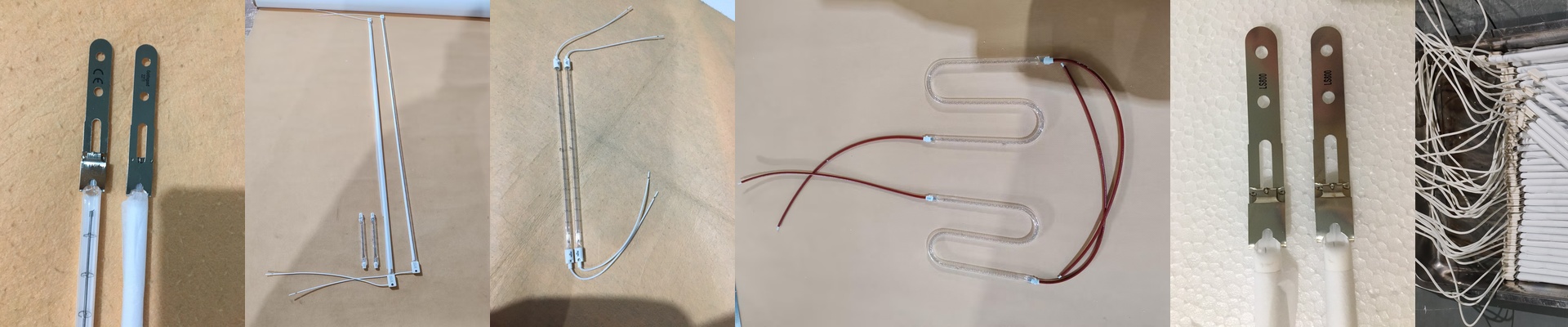
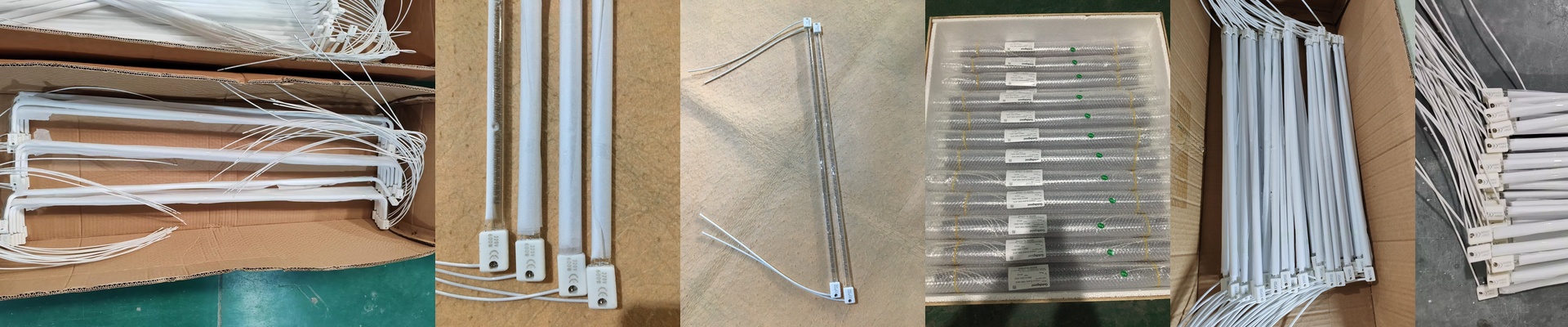
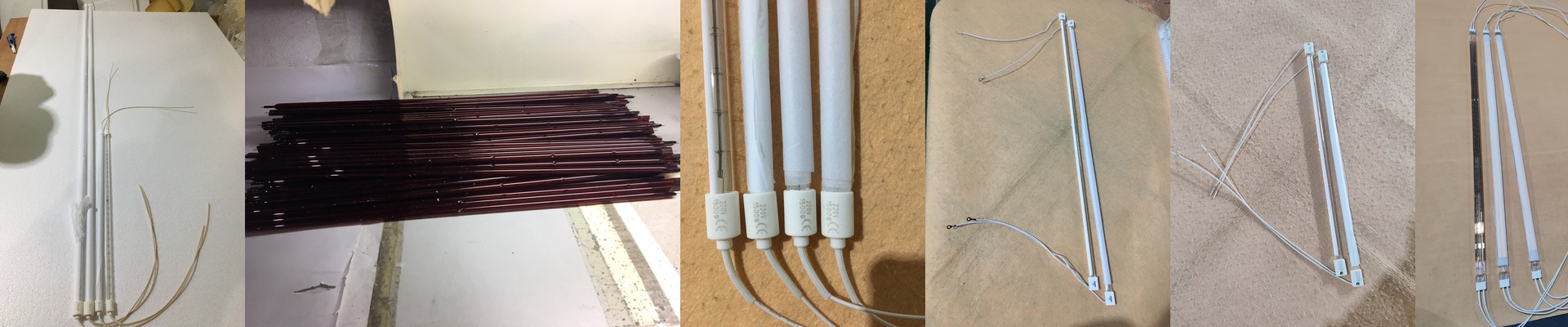
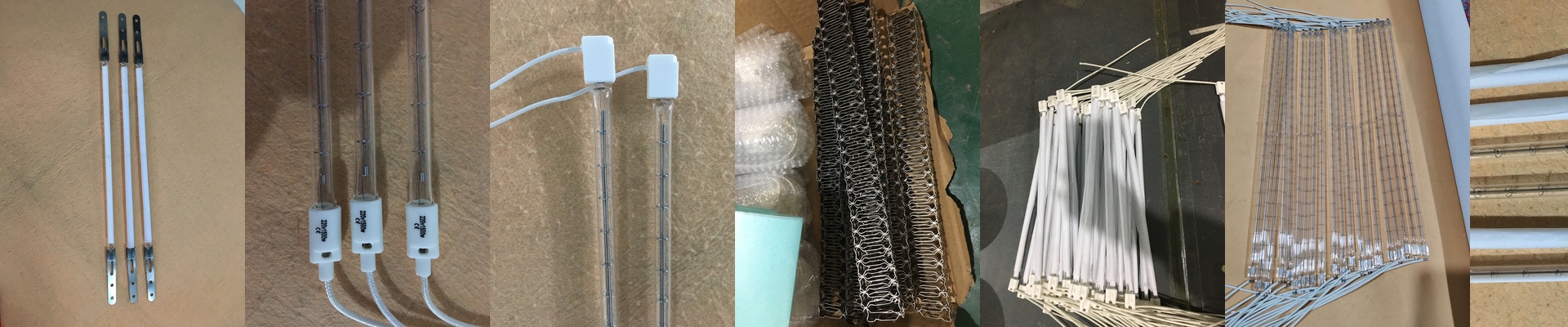
We use high-purity quartz. Why? Because when things get incredibly hot, cheap glass fails. Depending on what you’re curing, we can add specialized coatings to the envelope. These act like a filter, blocking the IR noise and hitting only the specific pigment or binder in your paint. And let’s talk about the wiring. We stick to R7s and SK15 connectors because they actually stay put. A loose connection is a nightmare—it creates a hot spot that can melt your housing or trip your breakers in a heartbeat. We design these to drop right in, though we’ll always double-check your voltage stability first just to be safe.
Clearing the Bottlenecks
Seeing “orange peel” or weird uncured spots on your parts? Your lamp layout is probably the culprit. We can help you map out exactly how the heat is hitting your belt. It’s not just about selling you a bulb; it’s about tuning the gap between the emitter and the part. If the spacing is off, the surface “flashes off” too quickly. The skin hardens, the solvents get trapped underneath, and you’re left with a mess. Get the distance right, and the solvents escape naturally before the finish sets. That’s how you get a perfect surface every time.