Getting the Heat Right in Textiles
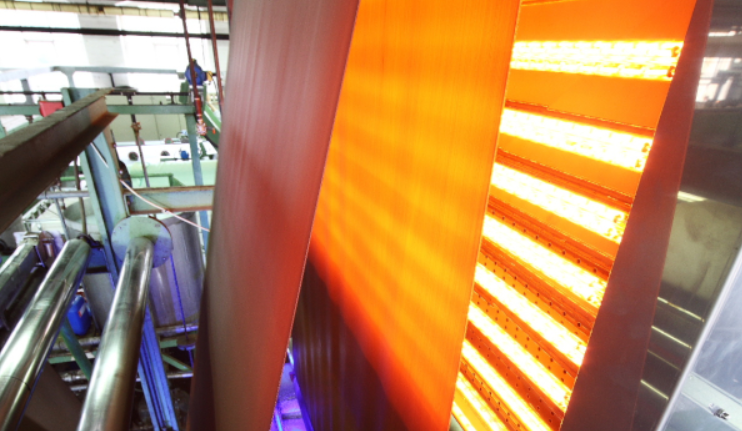
Most people look at an IR lamp and just see a heater. But if you’re working with fabric, you know it’s way more than that. It’s the difference between a perfect finish and a ruined, scorched roll of material. When you’re dealing with a few degrees and a tiny bit of penetration, things get tense.
The trick to heat density
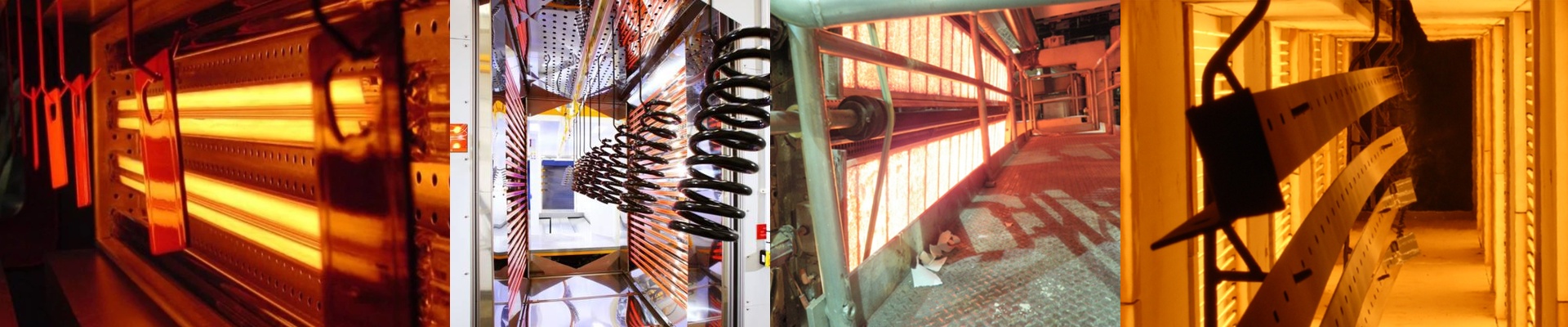
We build our lamps to handle watt-densities that would make a standard heater quit. Here’s the thing: when you push high wattage into a small area, you get a quick hit of surface heat. That’s exactly what you want. It stops the heat from soaking too deep and frying the fibers. The real secret is matching your voltage and wattage to how fast your line is moving. If you crank up the belt speed, you need more punch to keep up. Simple as that.
What we use (and what to watch out for)
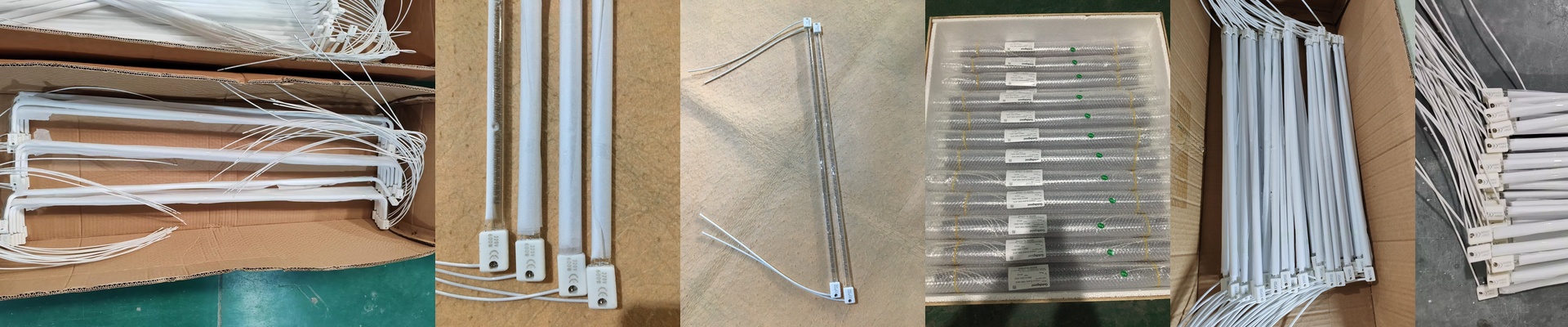
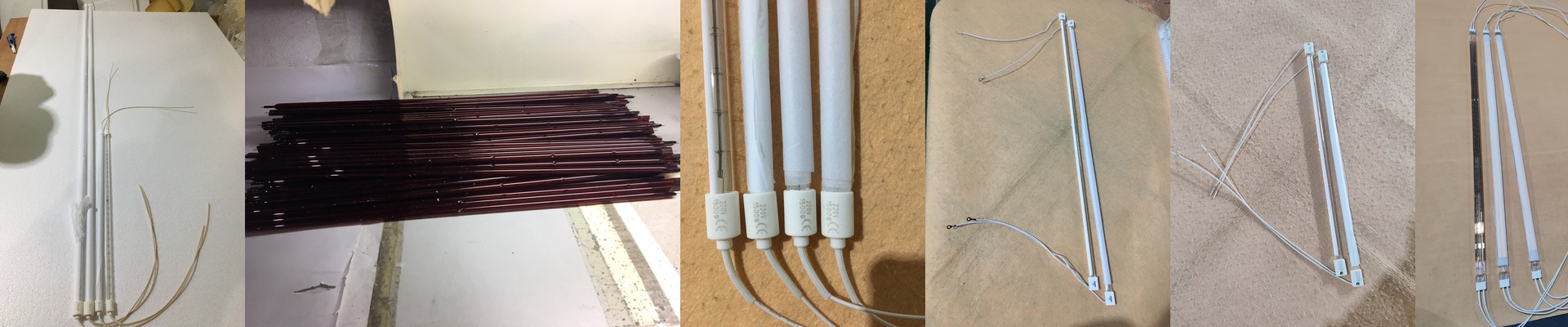
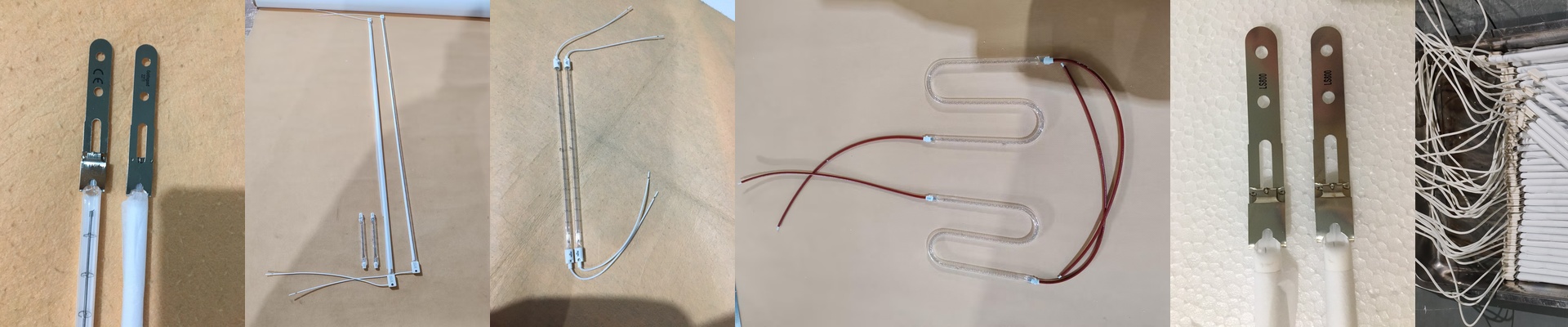
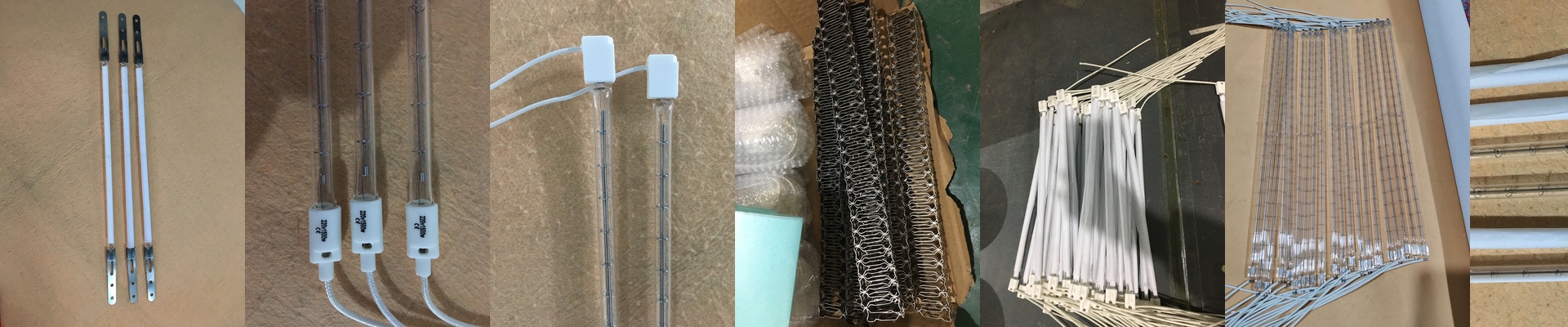
We stick with high-purity quartz and specific coatings to change how the heat hits the fabric. Shortwave IR is for a fast surface hit. Medium-wave goes a bit deeper. To make your life easier, we use R7s or SK15 connectors. They just slide right into most industrial setups. Better yet, they can handle the tube expanding as it heats up without losing the electrical connection. But a heads-up: these high-output tubes gethot. Like, really hot. If your vents are blocked or your fans are clogged with lint, you’re going to fry your sockets. Keep them clean.
Cutting waste, not corners
When we talk about “sustainability” in a factory, we aren’t talking about buzzwords. We’re talking about not wasting money and material. Precise IR heating means you aren’t paying to heat the entire warehouse; you’re just heating the fabric. Plus, we focus on stability. A lamp that holds its output for 5,000 hours means you aren’t constantly stopping the line to recalibrate or tossing out scrap fabric. Just wire it up, set your PID controller, and stop throwing kilowatts at the ceiling.