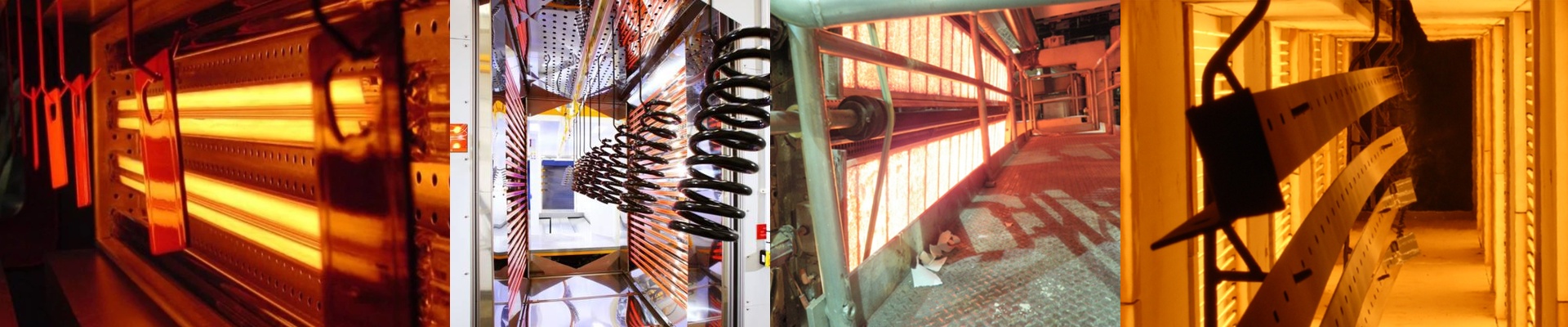
Picking the Right IR Waveband for Your Textile Drying
If you’re putting together a drying line for a textile plant, you’ve probably hit a crossroads: shortwave (SW) or mediumwave (MW) quartz lamps? It sounds like a technicality, but this choice is basically what decides if your plant runs like a well-oiled machine or if you’re just throwing money at your electric bill. Both use quartz because, frankly, anything else would melt or shatter under the heat. But they treat your fabric very differently.
How the heat actually hits the fabric
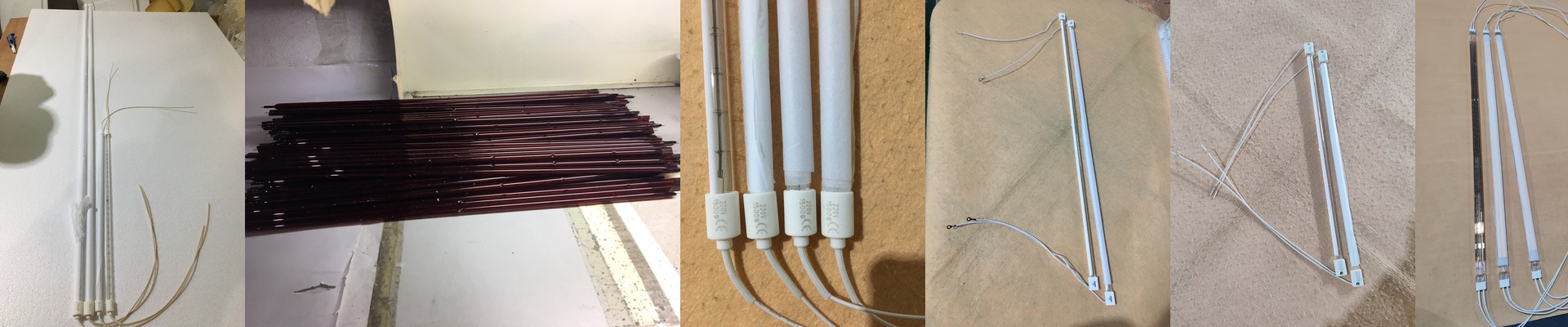
Shortwave lamps run hot. Really hot. Because of that, the radiation digs deep into the material. If you’re dealing with thick fabrics or those tricky synthetic blends that need a quick flash-dry, this is your best bet. The heat density is massive. You’ll get your line moving fast, but you have to keep an eye on it. If your line speed drops even a little, you’re risking scorched fabric. Mediumwave is a different story. It’s a gentler heat that mostly hangs out on the surface. I usually recommend these for thin materials or specialty coatings. It gives you a steady, controlled cure. You don’t have to sweat the “burn-through” panic as much here.
The nuts and bolts
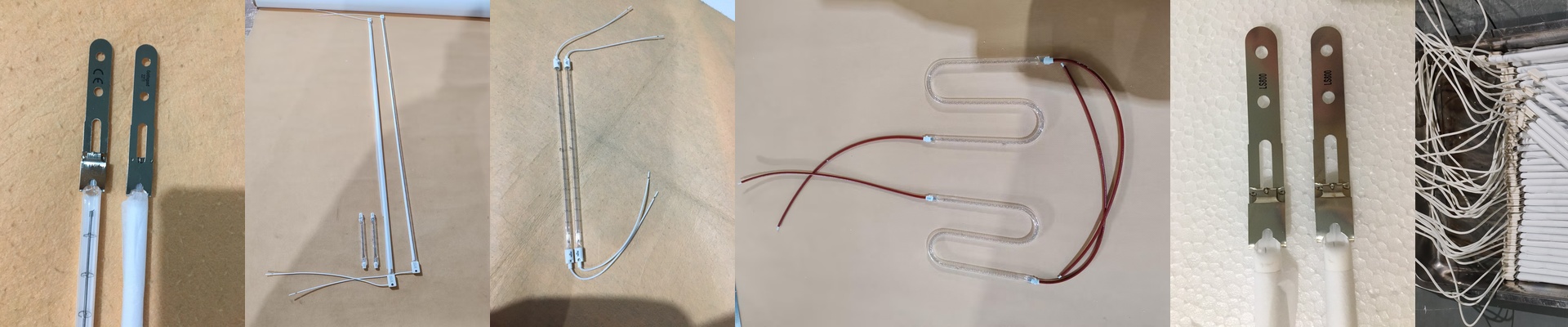
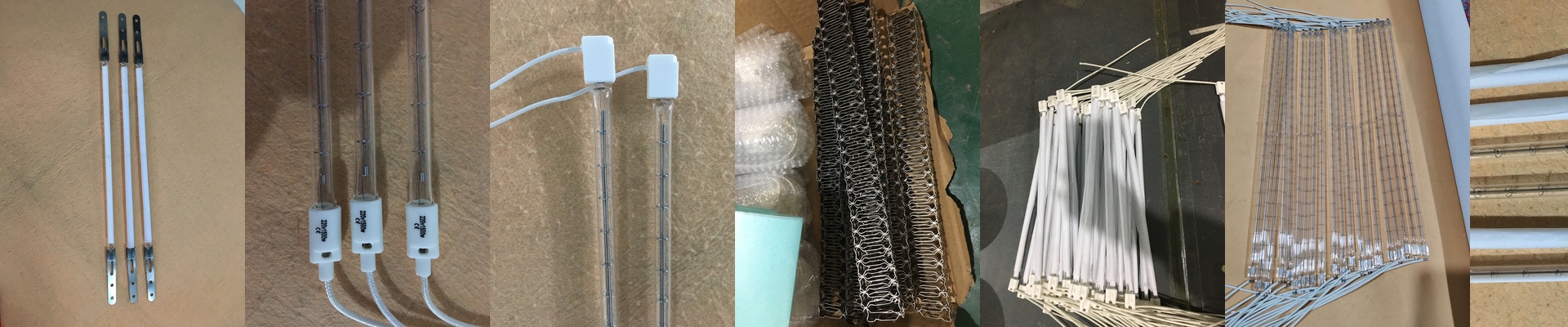
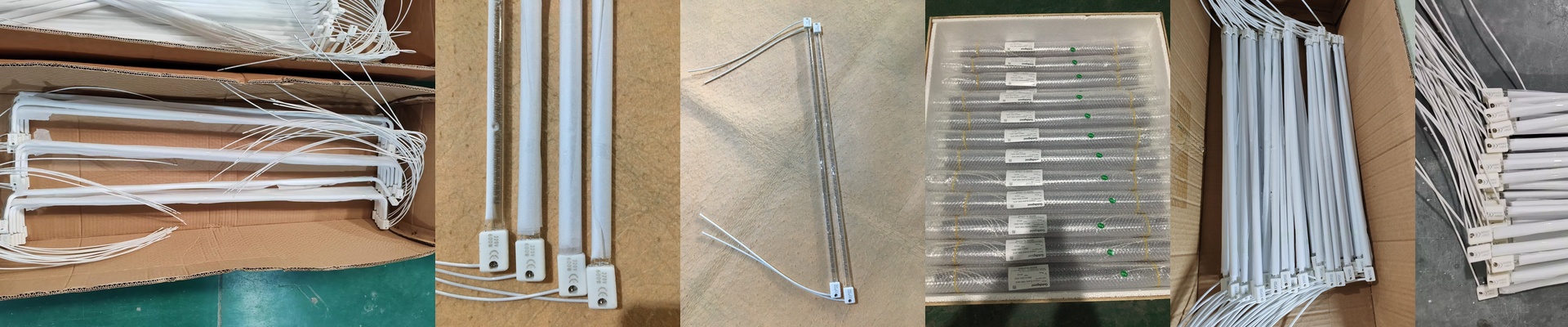
We use high-purity quartz for these lamps for one reason: thermal shock. You can’t have your lamps cracking the moment you cycle the power. Then there are the reflectors. You’ll see gold or aluminum coatings on these. Their job is simple: push the heat forward toward the fabric so the lamp housing doesn’t just soak up all that energy and overheat. One quick tip on the wiring:don’t overlook the connectors. Whether you’re using R7s or SK15, make sure those contact points are tight. A loose connection at high wattage is a nightmare. It creates a hot spot that’ll melt your socket long before the filament even thinks about burning out.
The trade-offs
Here’s the thing about shortwave: it’s incredibly fast. But that speed comes with a price. It puts a lot of pressure on your power grid and your cooling systems. If your ventilation isn’t strong enough to pull that ambient heat away from your electronics, your components are going to fry way sooner than they should. Mediumwave is much kinder to your hardware. It’s more forgiving. The only catch? You’ll need a longer oven footprint to get the fabric just as dry. You’re trading floor space for a bit more peace of mind.