Which IR Waveband Actually Works for Your Metal Parts?
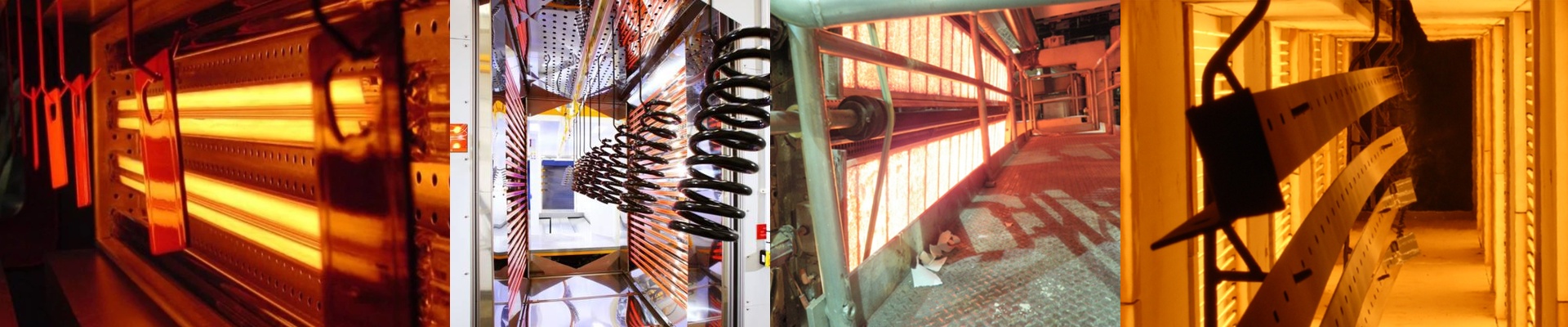
Here is the thing about curing metal: you can’t just throw the highest wattage lamp at a part and hope for the best. It doesn’t work like that. If the surface doesn’t “want” the energy, it’s just going to bounce right off, and you’re basically just paying to heat up your warehouse. It all comes down to how the metal and the coating actually drink in the heat.
Breaking down the options
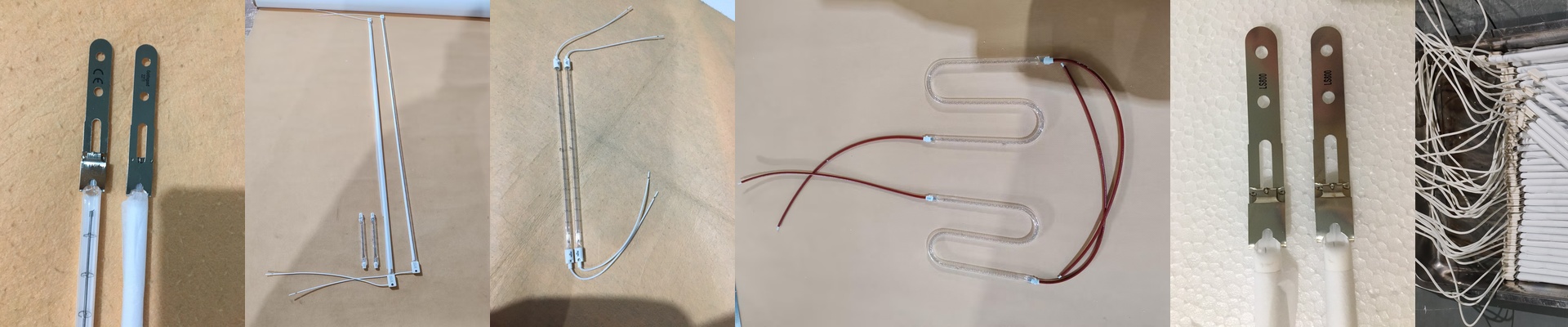
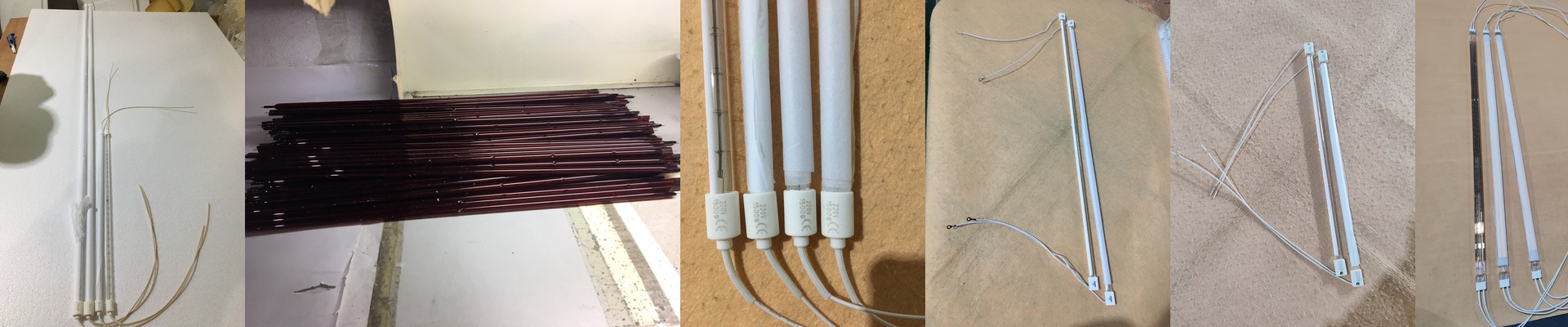
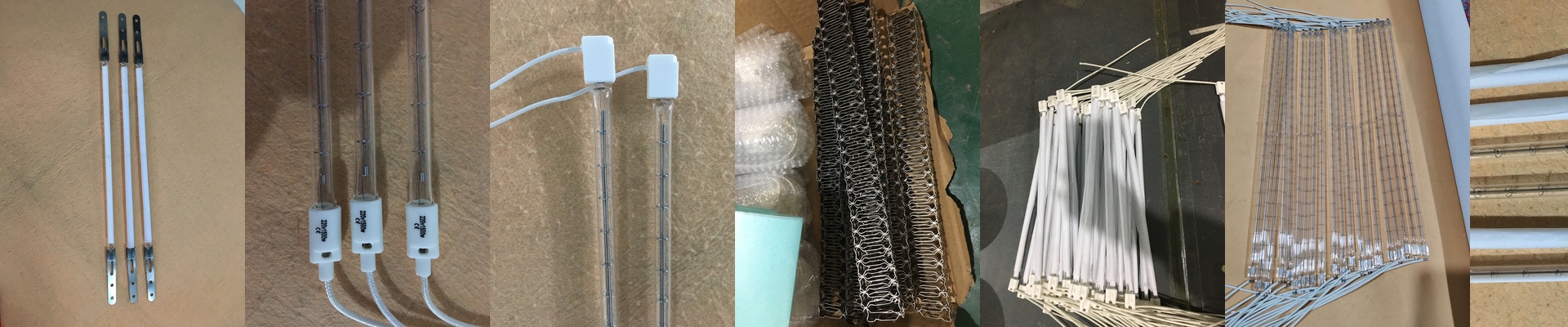
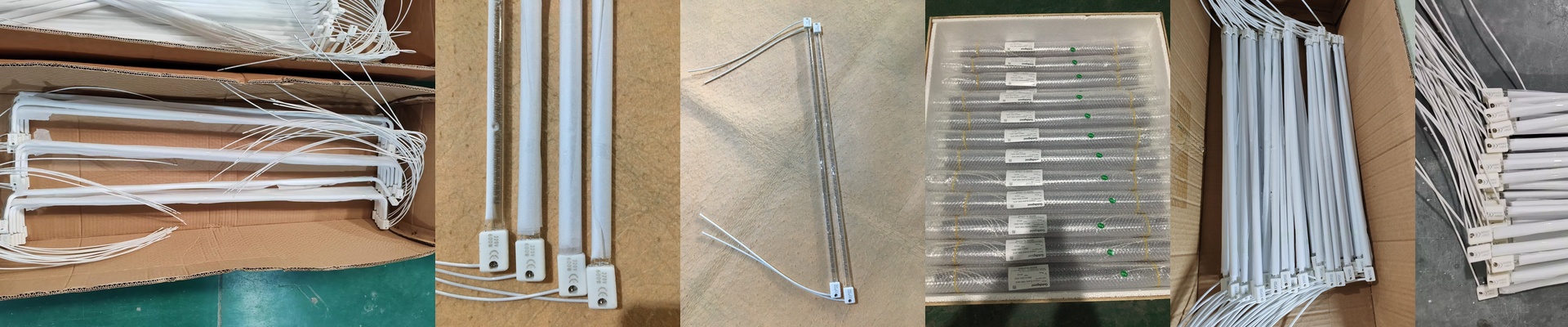
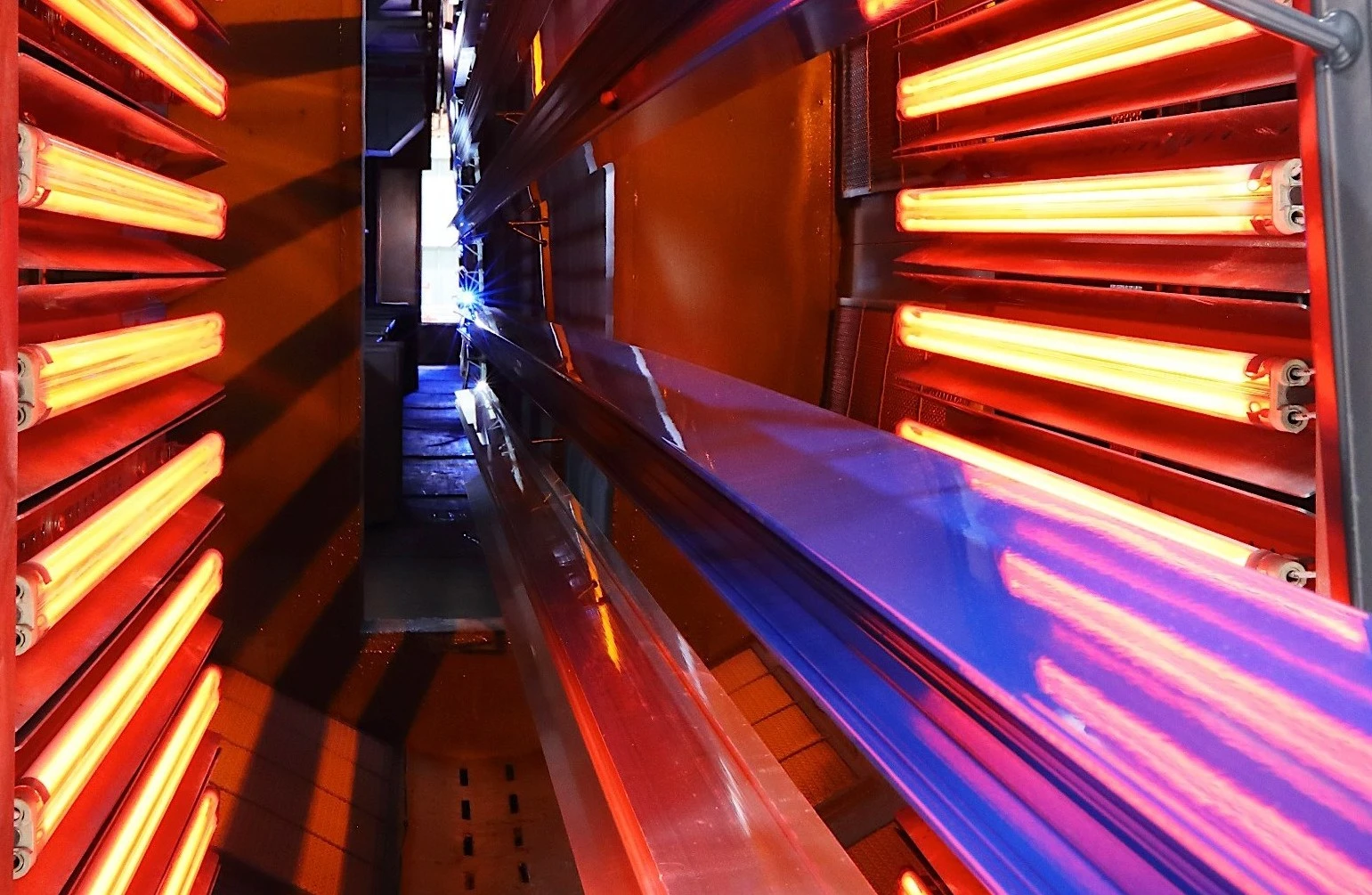
Shortwave lampsare the sprinters. They run hot and hit hard. If you need to get a part up to temperature in a heartbeat, these are your go-to. But there’s a catch—on polished metal, a lot of that energy just reflects away. It’s great for deep penetration, but it can be overkill if you aren’t careful. Then you’ve gotmidwave lamps. These are the reliable workhorses. Most organic resins and powder coatings just “like” midwave energy more. Instead of bouncing off, the heat actually sinks into the coating. It’s a smoother process. And if you’re worried about scorching your parts, look attwin-tube setups. By doubling the surface area in the same space, you spread the heat out. No more worrying about those annoying “hot spots” that ruin a finish.
The trade-offs (The stuff they don’t always tell you)
More power isn’t always a win. Sure, a high-wattage shortwave lamp is fast. Really fast. But it puts a massive strain on your power supply. Plus, if your ventilation isn’t up to the task, you’ll end up baking your own reflectors until they burn out. Midwave tubes are a bit more relaxed. They run cooler and tend to last longer, though you’ll have to be patient since they take a little more time to get the job done.
Which one should you actually use?
If you’re working with thin films on steel or aluminum and speed is everything? Go shortwave. For those thick powder coats, midwave is usually the way to go. It’s the standard for a reason. But what if your parts have weird shapes or deep corners where shadows hide? That’s where twin-tubes save you. They wrap the heat around the part for a much more even finish. One last tip: look at the weight of your part. If it’s a heavy chunk of metal, you need the “punch” of shortwave to get through that thermal mass. If it’s just a light sheet of metal, stick with midwave so you don’t accidentally overheat the substrate.