Getting the Heat Right for Alloy Wheel Coating
When you’re heating alloy wheels, you can’t just blast them with heat and hope for the best. It’s a balancing act. If you go too fast, you’ll end up with bubbles or the coating shrinking. Go too slow? Now you’ve got a bottleneck that kills your entire production line. The secret is all about how much energy is actually hitting the metal.
Why Shortwave IR Actually Works
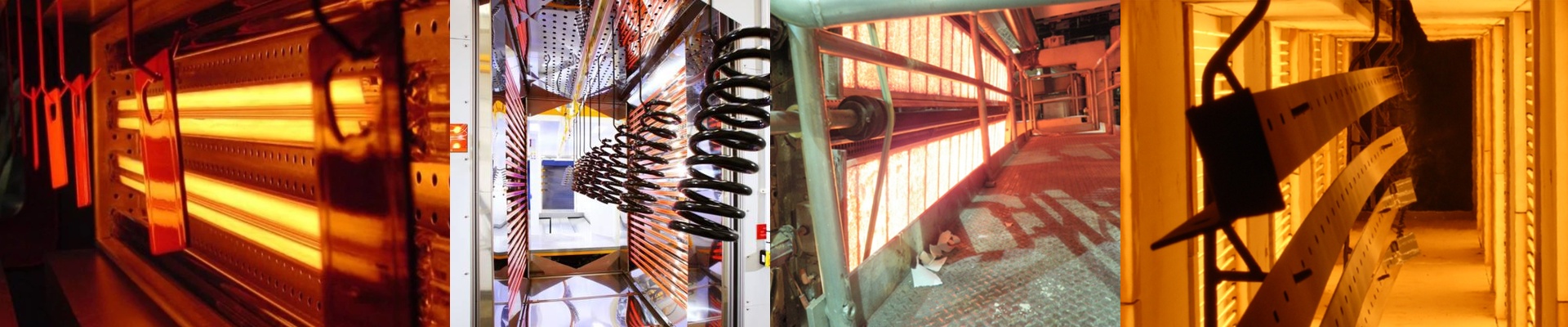
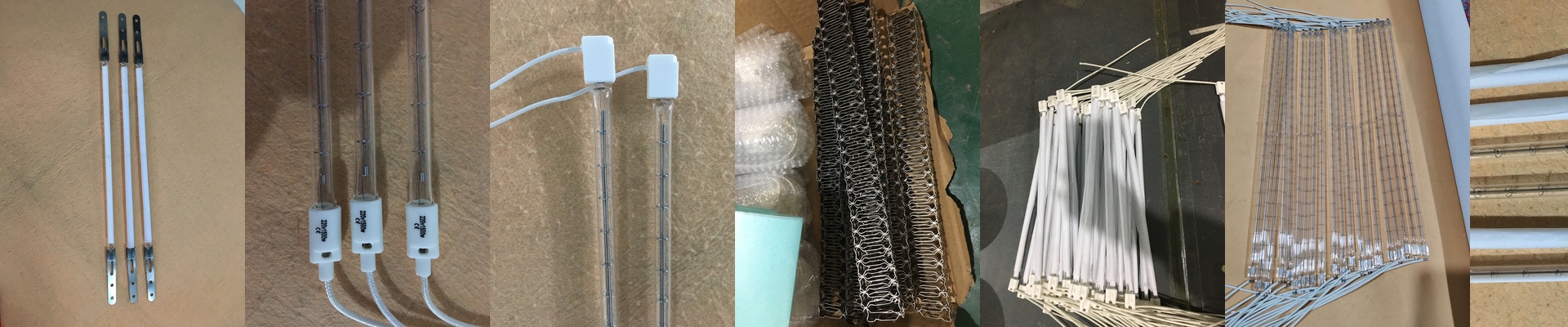
We use shortwave infrared lamps for a reason. They run hotter than the medium-wave stuff, which means the energy punches right through the coating and heats the aluminum underneath. It stops that annoying “skin effect” where the surface looks scorched but the base layer is still raw. We build these lamps to pack a lot of power into a small space. It creates a concentrated hit of heat that gets you to curing temperature fast. Your cycle times drop, and things just move quicker.
The Gear and the Trade-offs
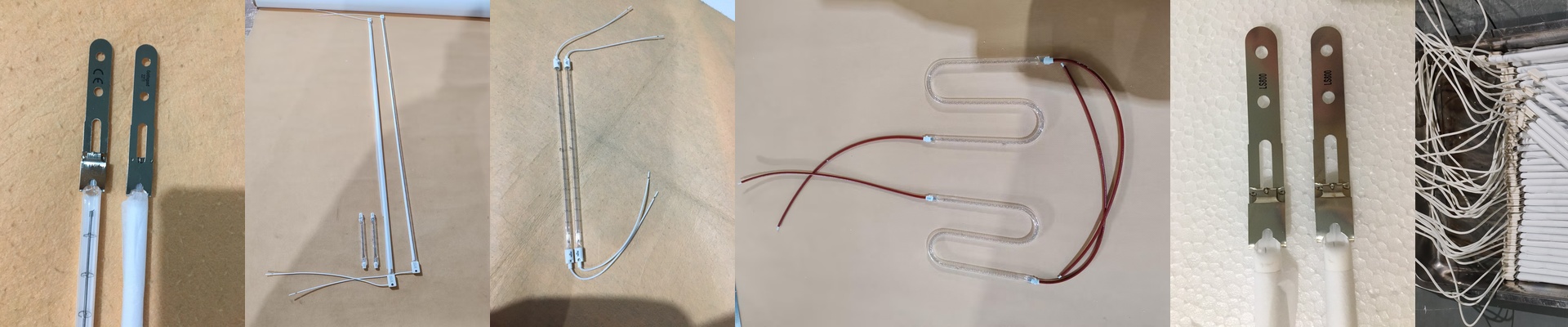
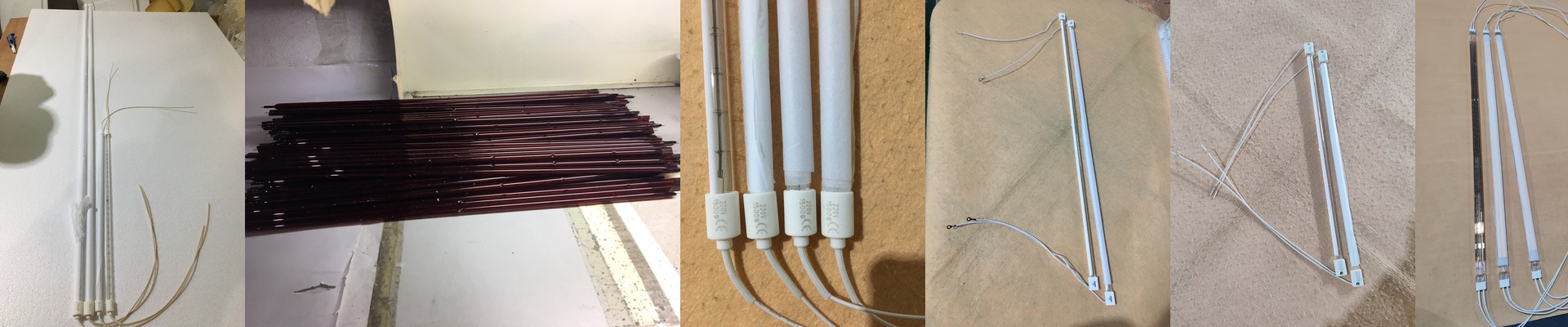
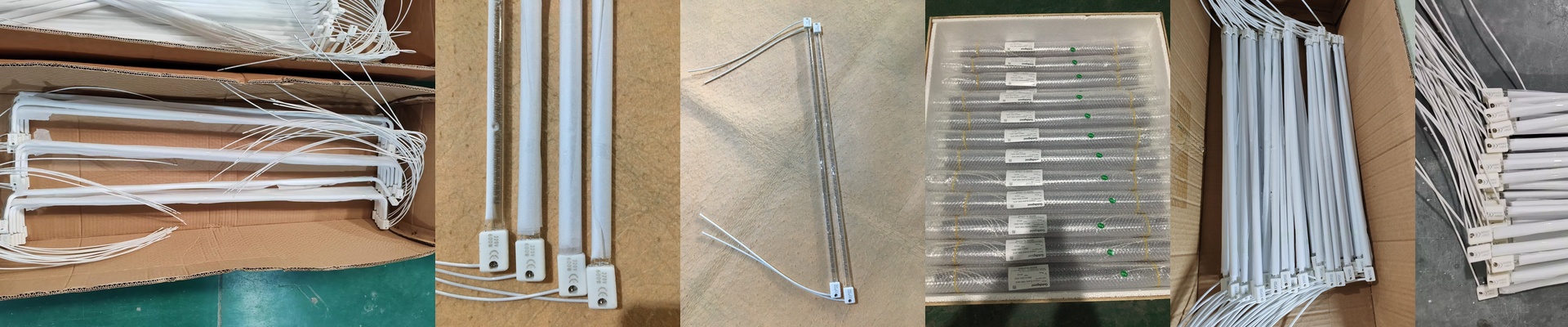
We use high-purity quartz for the tubes. They have to be tough to handle the shock of switching on and off rapidly without cracking. We also use specific connectors—think R7s or SK15—so the electrical contacts don’t oxidize and fail when things get scorching hot. But here’s the thing: massive heat density comes with a catch. Since the lamps put out so much energy, your oven’s exhaust and cooling systems have to be up to the task. If your ventilation is weak, the heat just sits there. That “heat soak” is how you end up over-curing the edges of the wheel, which nobody wants.
Making it Work on the Shop Floor
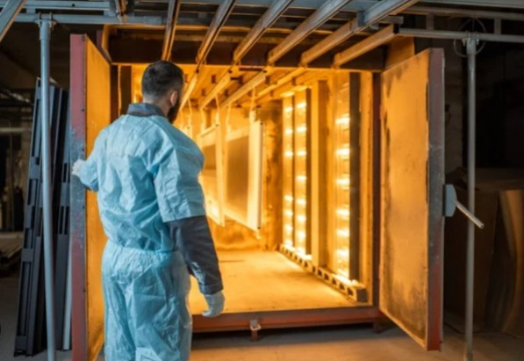
Once you’re wiring these into your line, where you put them is everything. I always suggest a staggered layout. It kills those annoying cold spots on the inner barrel, making sure the powder or liquid coating hits its curing point evenly across the whole wheel. If you’re still using old gas burners, this is a huge upgrade. You’ll cut your carbon footprint, sure, but the real win is the time. You go from waiting hours for a pre-heat to just a few minutes. It’s a night-and-day difference.