Getting Your Infrared Curing Right
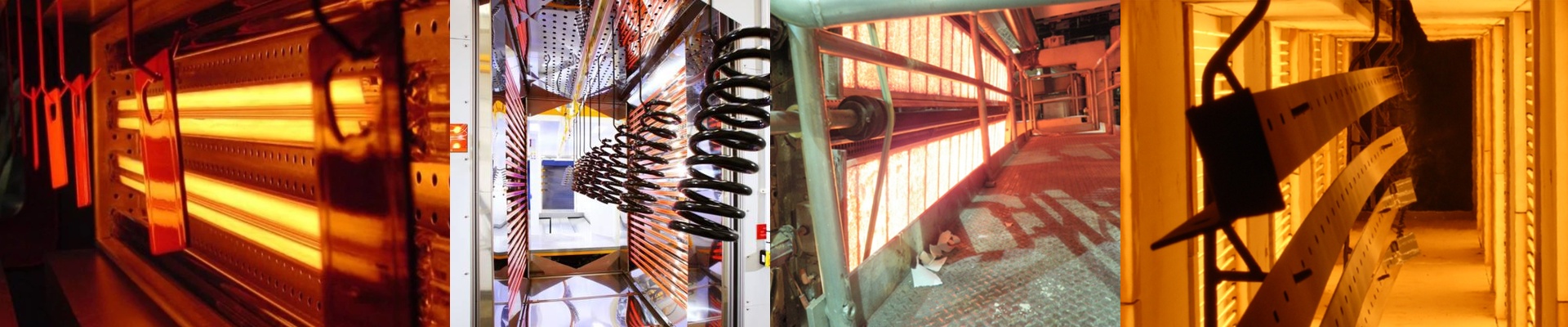
Most shops just see curing lamps as things you swap out when they pop. But here’s the thing: those lamps are actually what dictate how fast your entire line moves. When the specs don’t match what you’re actually curing, you get the worst of both worlds—spots that aren’t cured and edges that are scorched.
Power, Speed, and the “Oops” Factor
It’s easy to get hung up on wattage, but that’s only part of the story. It’s really about how voltage, length, and heat flux play together. If you cram high wattage into a short tube, you get a massive punch of heat density. That’s great because it means you can either shorten your oven or speed up the conveyor. But please, double-check your power supply before you plug anything in. If you put a 230V tube into a 400V system, it’ll blow out the second you flip the switch. Not a fun way to start the morning.
The Nitty-Gritty: Glass and Connectors
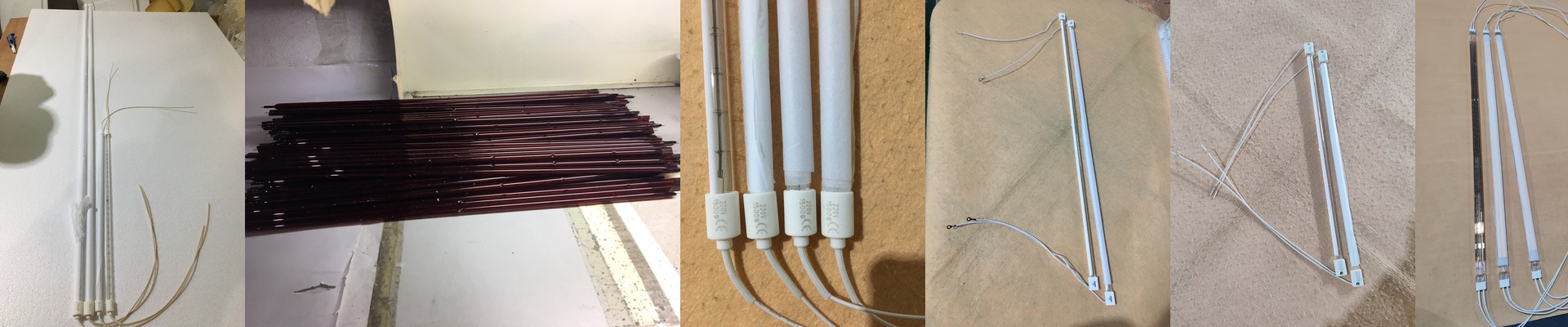
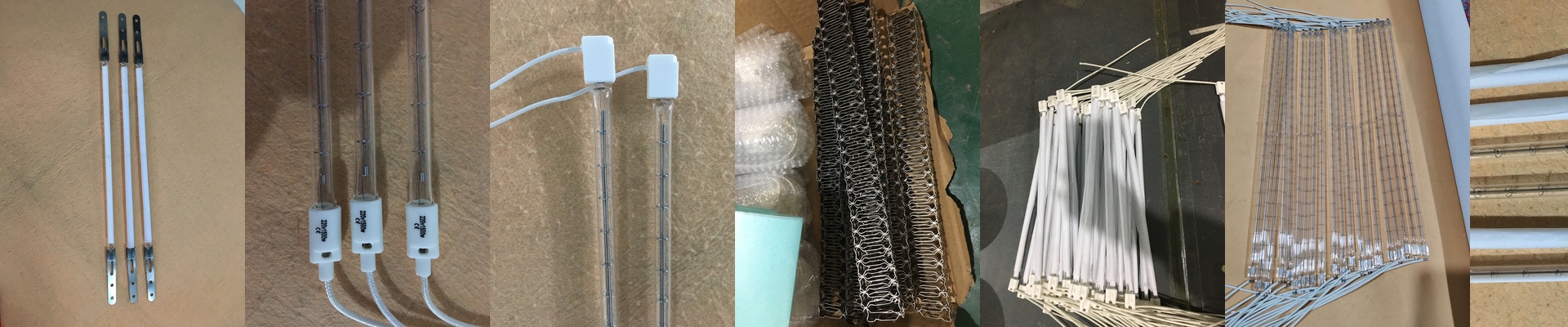
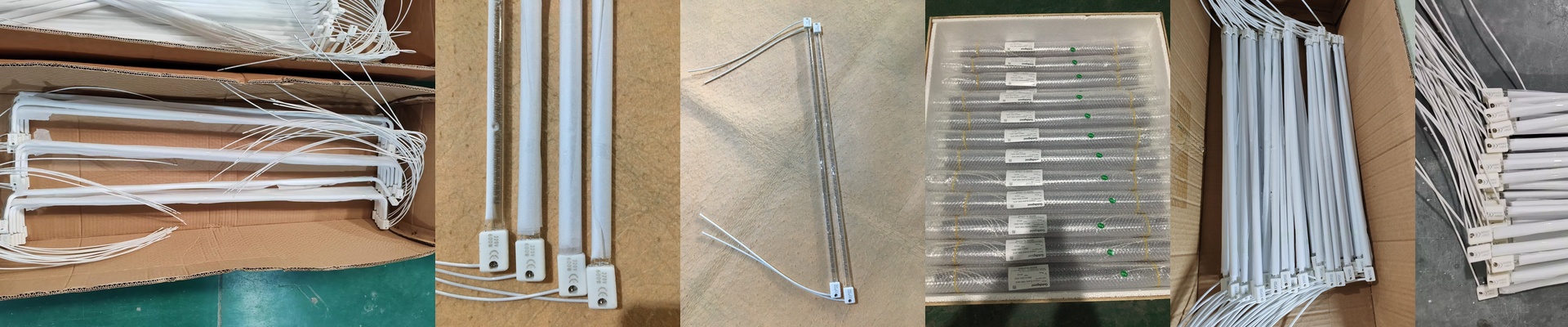
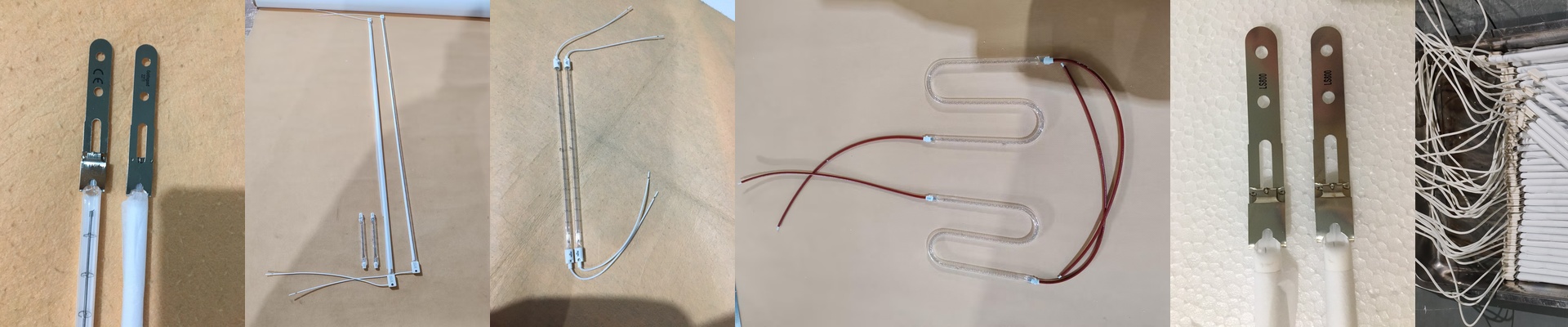
We use quartz glass and halogen gas fills so the lamps can run hotter without the filament giving up. Some of our lamps have special coatings, too. These aren’t just for show; they shift the infrared light so it can actually soak deep into thick adhesives or heavy powder coatings. It’s the difference between warming the surface and actually curing the core. Then there are the connectors—things like R7s or Sk15. They might seem minor, but they handle all that thermal expansion. If the fit is sloppy, you get arcing at the contact point. That’s a fast track to a dead lamp.
The Balancing Act: Speed vs. Stress
Here is the trade-off: high intensity gets the job done fast, but it beats up the filament. If you run your lamps at full tilt 24/7, you’re going to be replacing them a lot more often. It’s a bit of a tug-of-war between raw heat and how often you want to stop the line for maintenance. We don’t just want to ship you a tube and call it a day. We’d rather look at your actual curing profile. Maybe a different waveband or a tweak in wattage can get you the exact same finish, but with way less downtime.