How to Stop Your IR Lamps from Burning Out
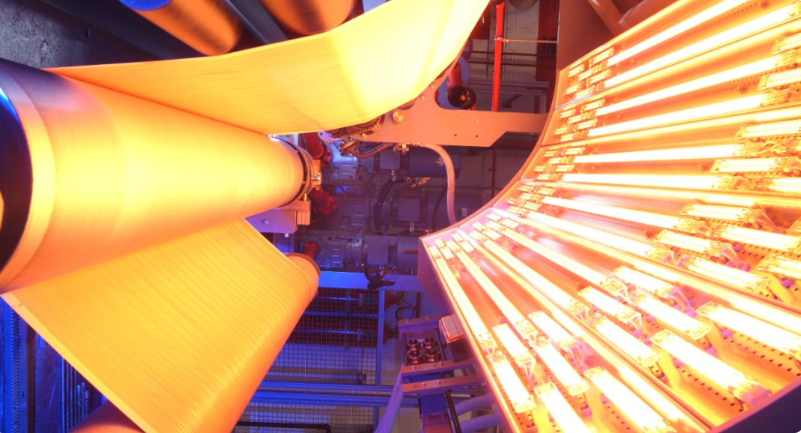
If you run a textile plant, you know the drill. Your drying and curing lines never stop. They just keep humming along 24/7. But there’s a constant headache: lamps burning out way too early. Usually, it’s just a mix of thermal shock and the filaments giving up the ghost. We spent ten years obsessing over this. We tweaked our quartz envelopes and played around with filament chemistry until we hit that sweet spot. We stopped chasing raw wattage and started focusing onstability. Because at the end of the day, a lamp that lasts is way more valuable than one that’s just “powerful” for a week.
Why filaments actually fail
Here is the thing: most lamps die because the tungsten evaporates. It’s just physics. To fix this, we use a halogen cycle. Think of it as a recycling system that pushes the tungsten back onto the filament. It stops those annoying “thin spots” from forming—the kind that lead to a sudden pop and a dead line. When you’re picking a lamp for your stenter or dryer, keep an eye on the voltage-to-wattage ratio. If you’re working with synthetic fabrics, you need that heavy hit of heat. But that puts a lot of stress on the quartz. We balance the gas pressure inside the tube so the filament doesn’t sag when things get scorching.
The gear and the connections
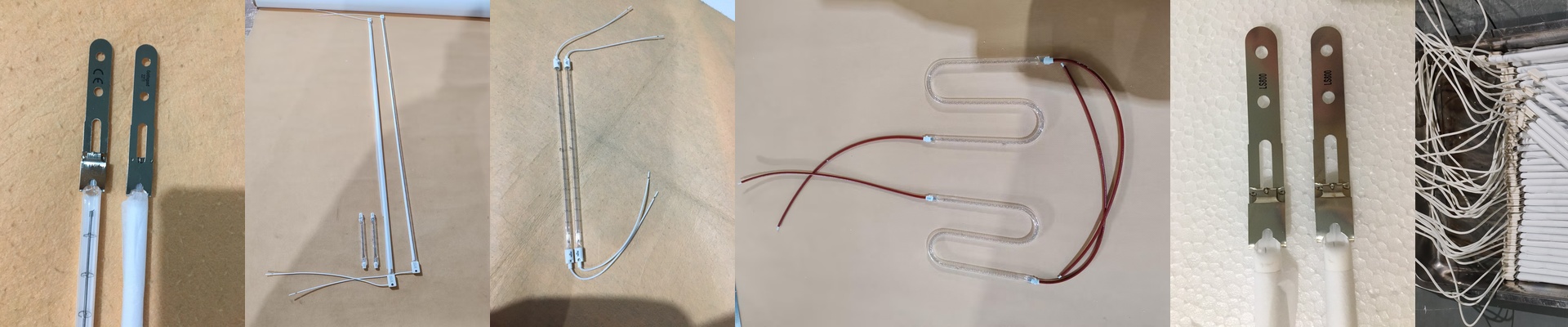
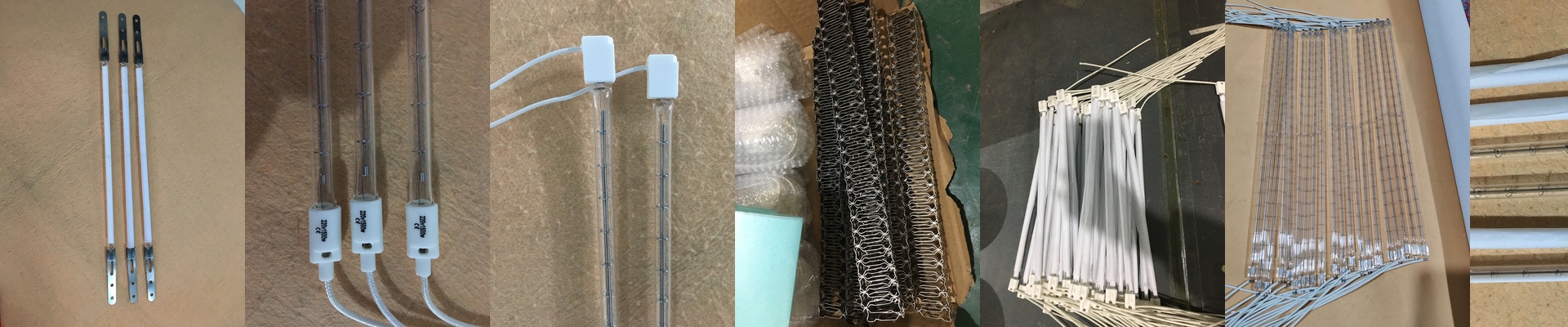
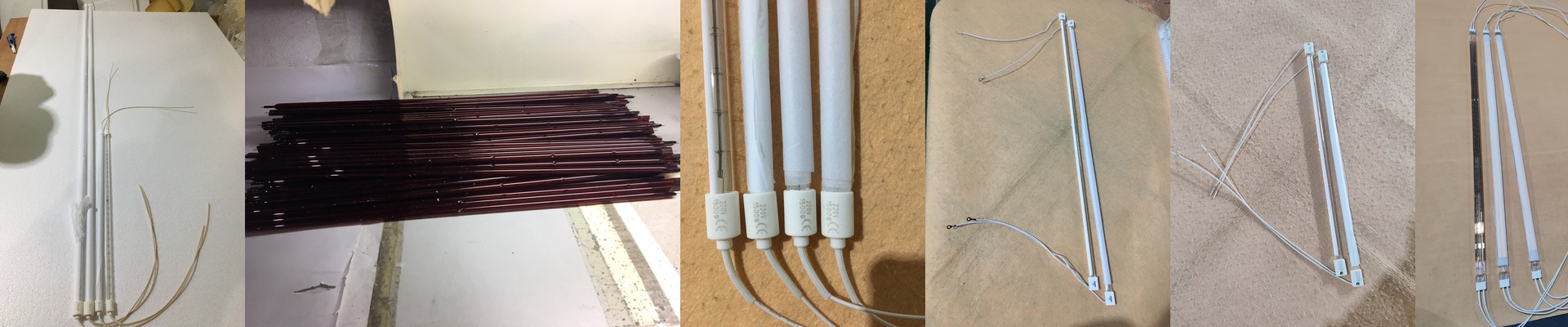
We use high-purity fused quartz. Why? Because it can take the punch. Textile plants are brutal—rapid heat-ups, sudden cool-downs. Cheap glass cracks. This stuff doesn’t. On the connection side, we keep it simple. We use R7s or SK15 standards. It means you can just pop a new one in without having to rewire your entire rack. One quick tip: if you’re on a high-voltage setup,keep your contacts clean. If oxidation builds up on the pin, you get resistance. That creates a hot spot, and before you know it, you’ve melted your socket. Not a fun way to spend a Tuesday.
The trade-offs you can’t ignore
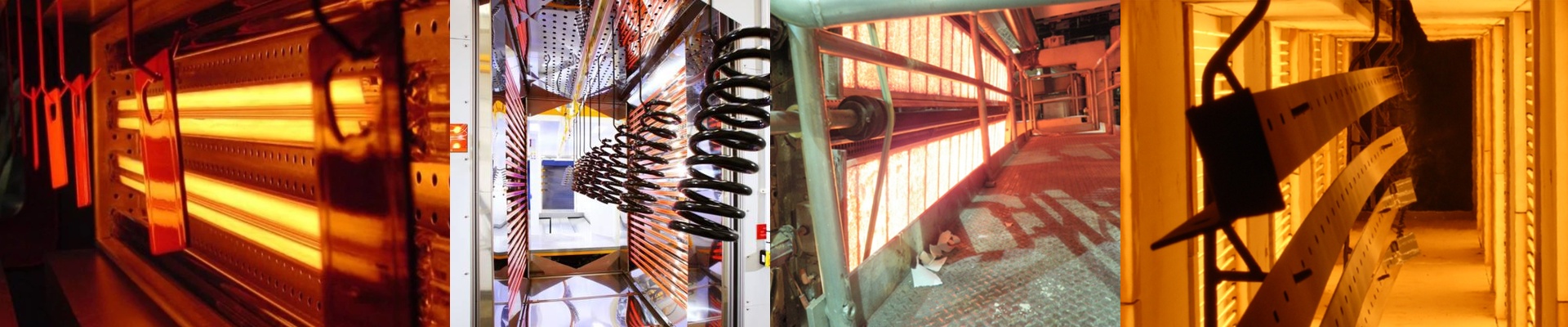
High-output lamps put out a massive amount of heat. That’s the goal, right? But it means your cooling fans and vents have to actually do their job. If your housing traps too much heat, the envelope temperature spikes. At that point, it doesn’t matter how good the internal chemistry is—the lamp is going to die early. And please, do me a favor: check your reflector alignment every few months. If a reflector is off, it bounces heat back into the lamp instead of onto the fabric. It basically cooks the seals and kills the tube from the inside out. Just a five-minute check can save you a lot of money.