Stop Wasting Heat: Why Your Dye Curing Isn’t Working
Most textile setups are just throwing generic heat at the problem. It feels like it’s working, but here’s the truth: if your lamp is pumping out energy that the dye can’t actually “grab,” you’re basically just heating up the air in the room. You’re paying for power you aren’t even using. To actually speed things up, you have to match the lamp’s peak to the specific way the dye molecules absorb energy.
It’s All About the “Window”
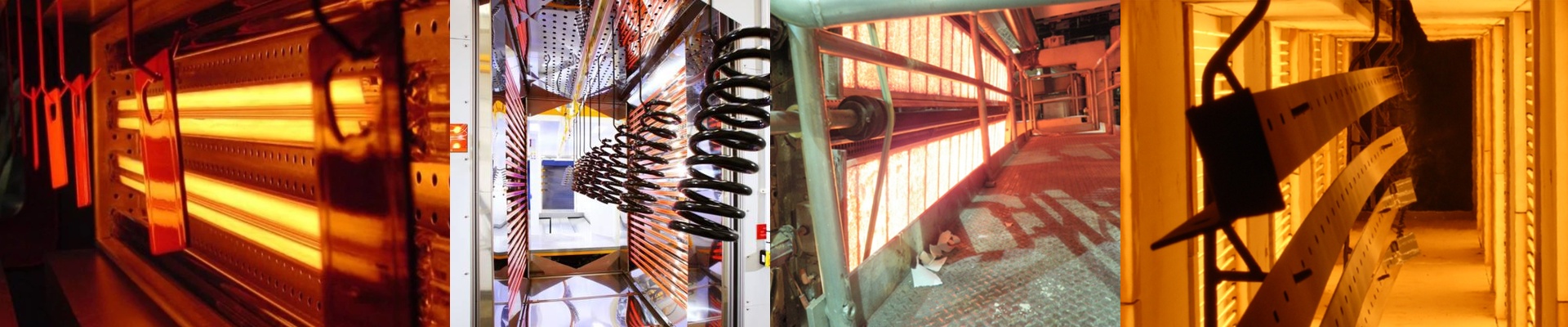
Think of dyes as having a specific window they listen to. When an infrared wave hits a molecule at just the right frequency, the energy transfers instantly. That’s what triggers the bond between the dye and the fiber. We use spectroscopy to find those windows. If you try to use a shortwave lamp on a material that only likes medium-wave IR, the heat just bounces off the surface. The core of the fabric stays cold. That’s where you get those annoying “strike-through” issues and patchy, uneven curing. It’s frustrating, and it ruins the batch.
The Gear Side of Things
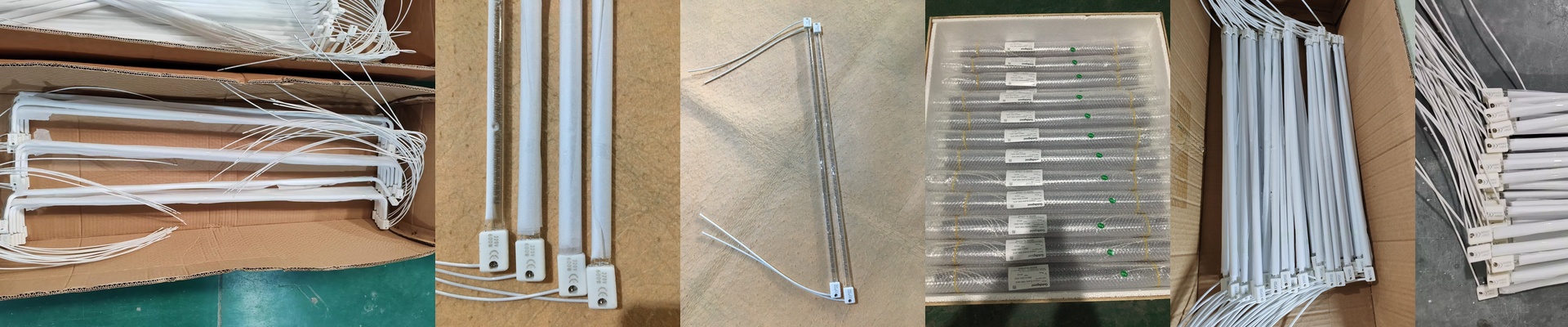
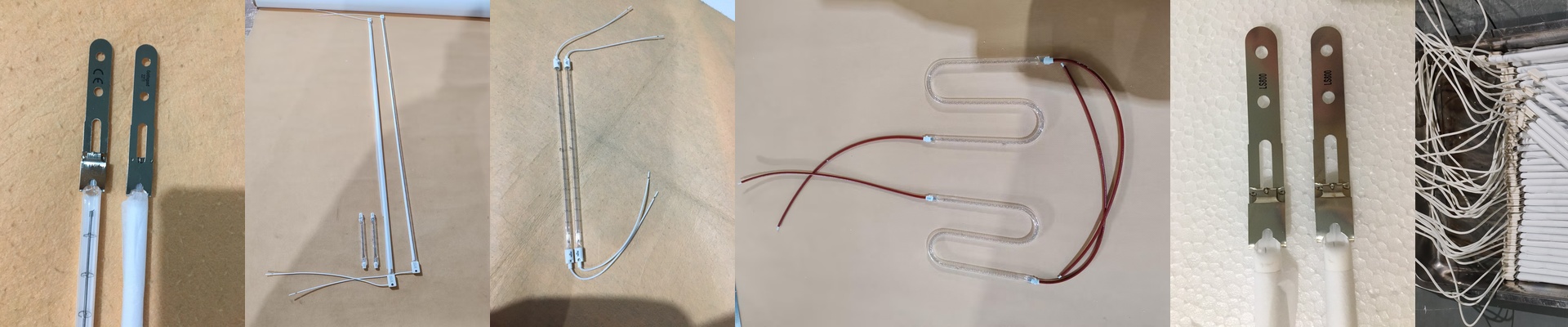
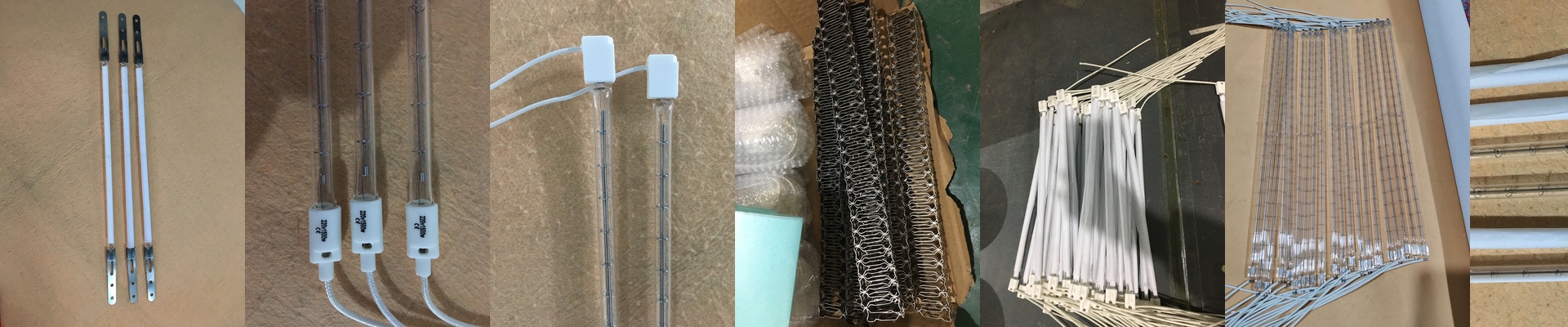
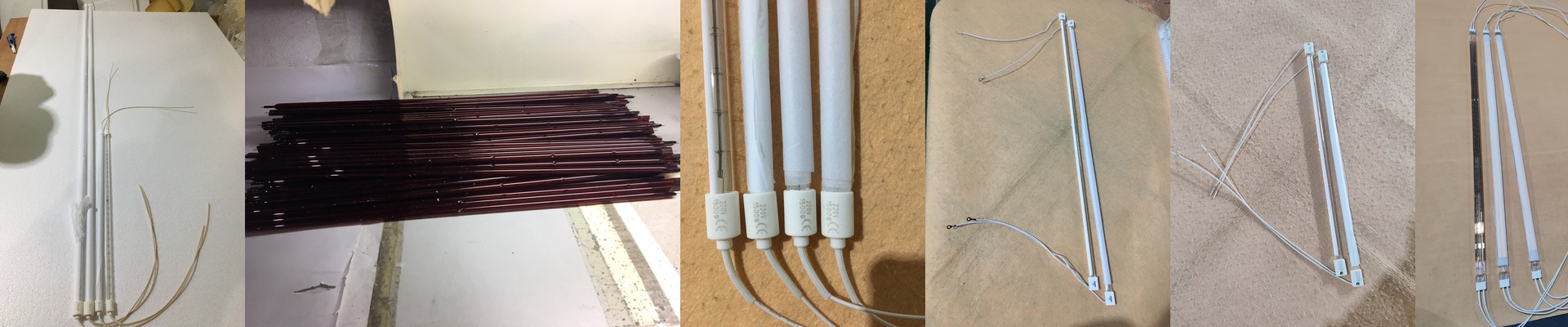
We build these lamps to cram a lot of wattage into a small space. But matching the spectrum is only half the battle—you also need the right heat density. We use high-purity quartz for the tubes so the glass doesn’t accidentally block the very wavelengths we’re trying to send through. Now, you might be tempted to just crank up the voltage to push more wattage and shorten your curing tunnel. You can do that. But be careful. High-density output is brutal on your reflectors. If they’re pitted or oxidized, you’re losing 20% to 30% of that energy before it even hits the fabric. It’s like trying to shine a flashlight through a dirty lens.
Making it Work on the Floor
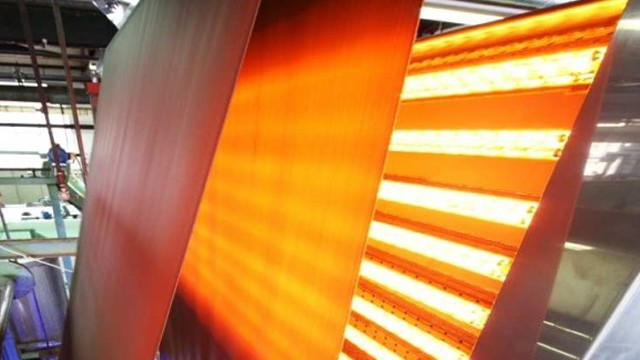
Once you’ve got these wired into your line, check your dwell time. When the spectrum is actually matched, you can often drop your curing cycles from minutes down to seconds. It’s a huge win. You can speed up the conveyor and still trust that the fabric is cured all the way through. Just one tip: keep a close eye on the fabric temp. If the intensity is too high in one narrow band, you might scorch the surface before the heat ever reaches the center. Balance is everything.