Stop Wasting Your Heat: The Truth About IR Reflectors
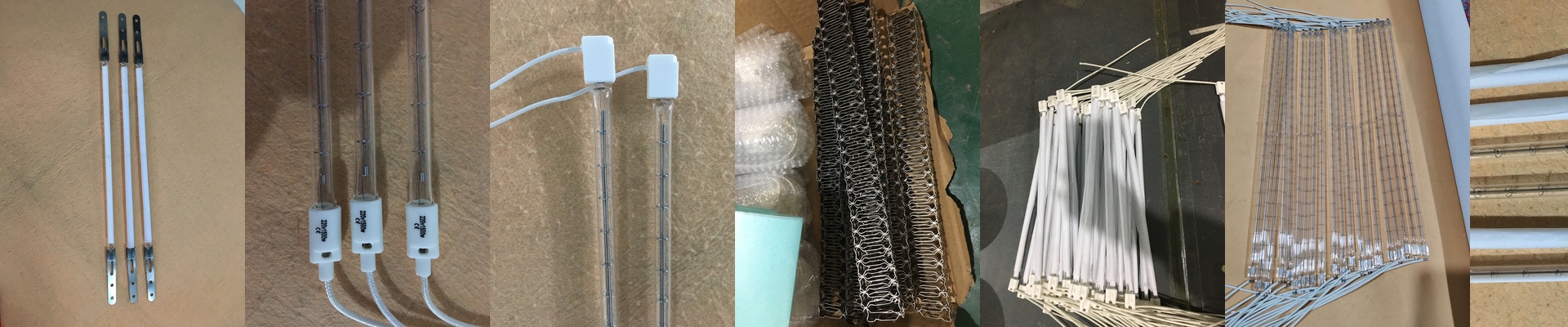
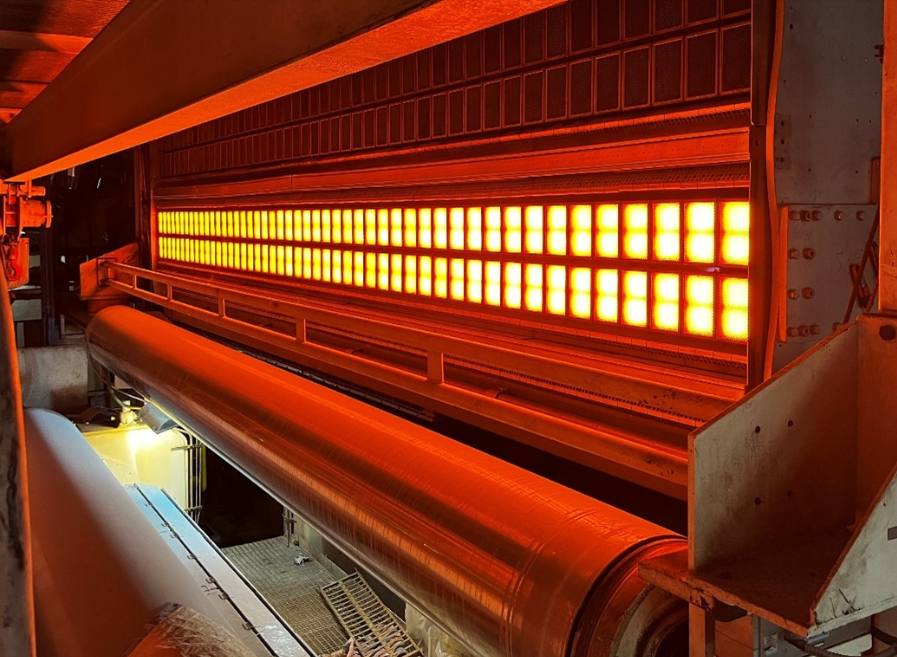
Most textile engineers make the same mistake. They obsess over the lamp wattage, thinking more power is the only way to get a better result. But they completely ignore the reflector. Here’s the thing: if your geometry is off, you’re basically throwing away 40% of your energy. It just leaks out into the machine frame. That’s expensive, wasted heat. We build our reflectors to stop that leak and push that energy right back into your fabric. The secret is in the curve. A flat reflector is fine if you want a wide, soft spread, but it doesn’t have any real punch. If you need high-density heat, you need a curve—something parabolic or elliptical. Think of it like a magnifying glass. By tightening that focal point, we squeeze the energy into a narrow strip. You get way more heat hitting the fabric (W/cm²) without having to pull more power from your electrical panel. It’s a smarter way to work. Materials matter more than you think. We use high-purity aluminum or gold coatings, depending on the wavelength you’re using. Shortwave IR and medium-wave IR don’t play by the same rules, so they need different surfaces to bounce off of. If your reflector is pitted or oxidized, the light just scatters. That’s how you end up with those annoying cold spots. A polished, anodized finish keeps everything clean and moving in the right direction. The trade-off (and how to handle it). Now, tighter beams are great for fast curing or drying, but they come with a risk. If your material isn’t perfectly aligned, you’ll get “hot streaks.” On synthetic fibers, that means scorched fabric. To avoid this, make sure your conveyor tracking is dialed in. Your material has to stay dead-center in that optical path. I also suggest pairing these high-density reflectors with a PID controller. It’s a lifesaver when your line speed fluctuates and you don’t want to burn your product. Plus, you might want to play around with the lamp height. It’s all about finding that sweet spot where you penetrate the core of the textile without frying the surface.