Getting Your Industrial Heat Right: A No-Nonsense Guide to Halogen IR Lamps
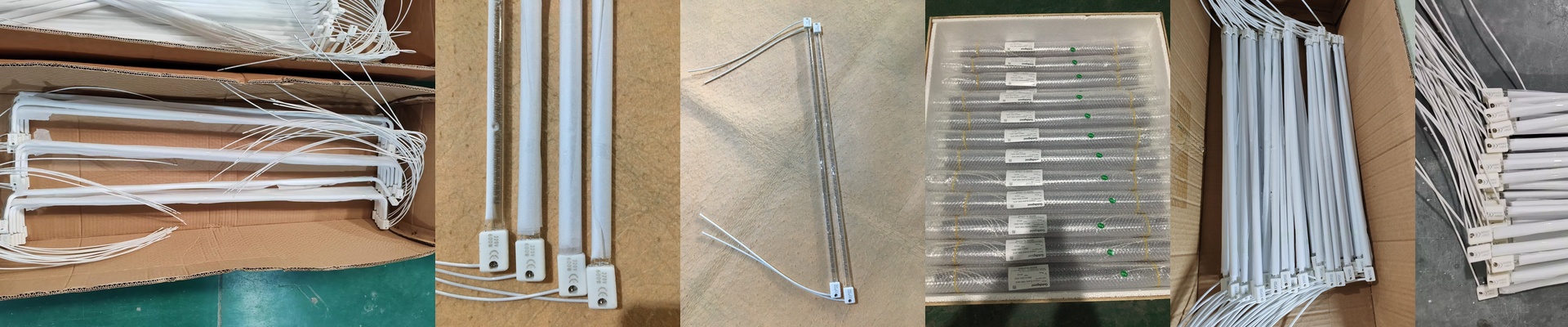
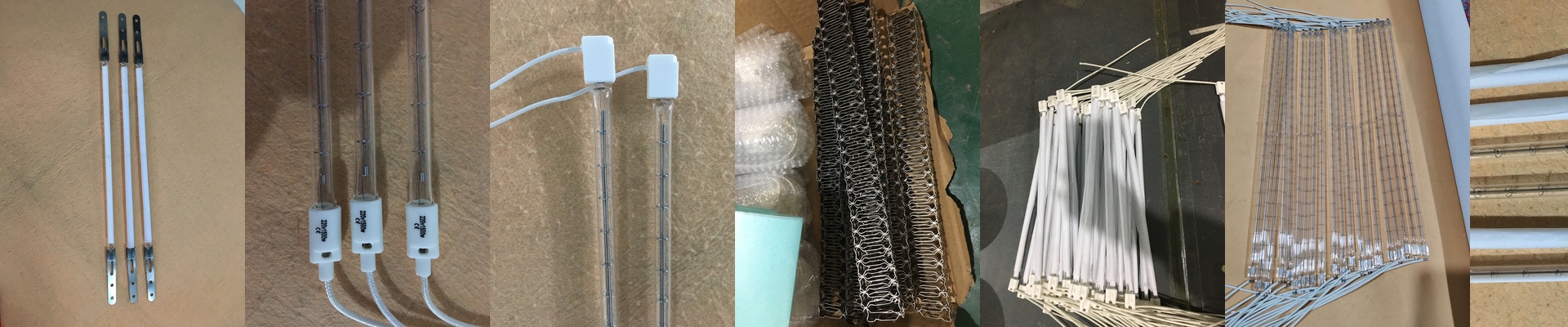
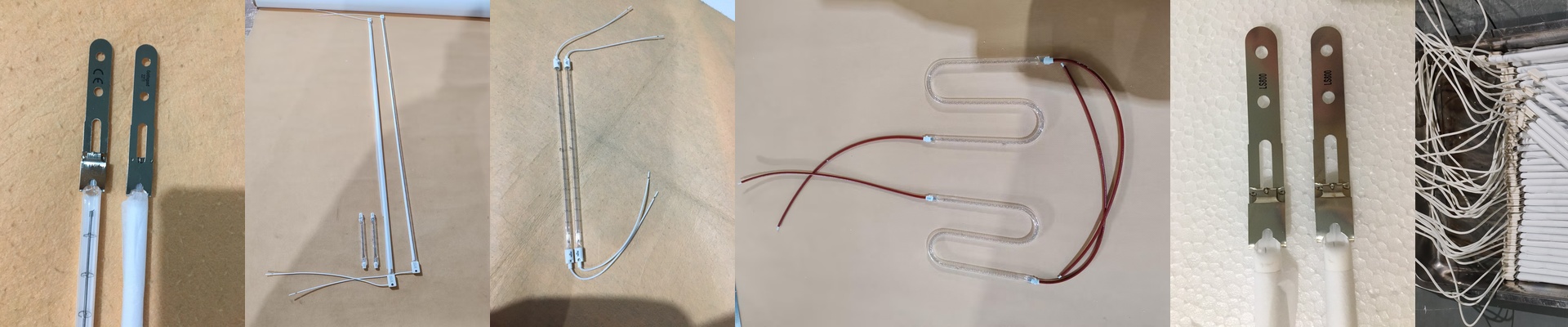
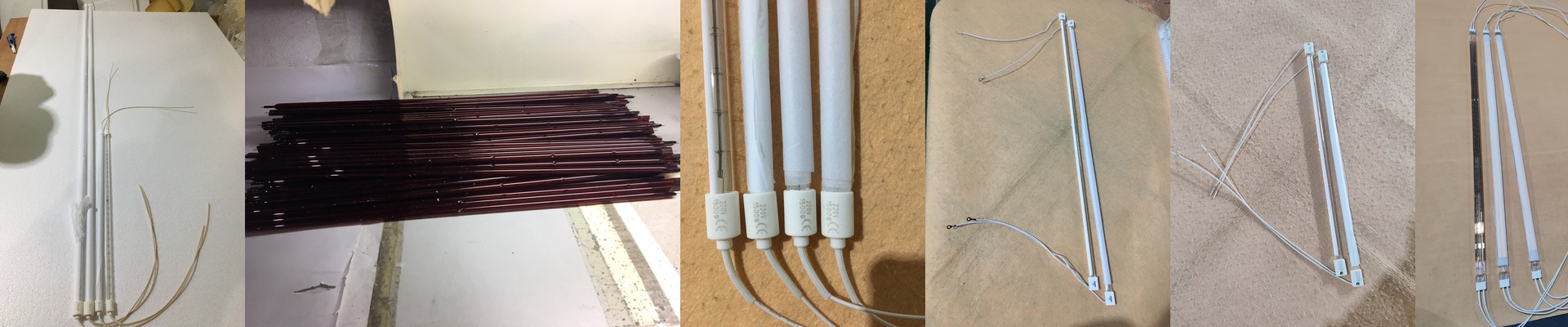
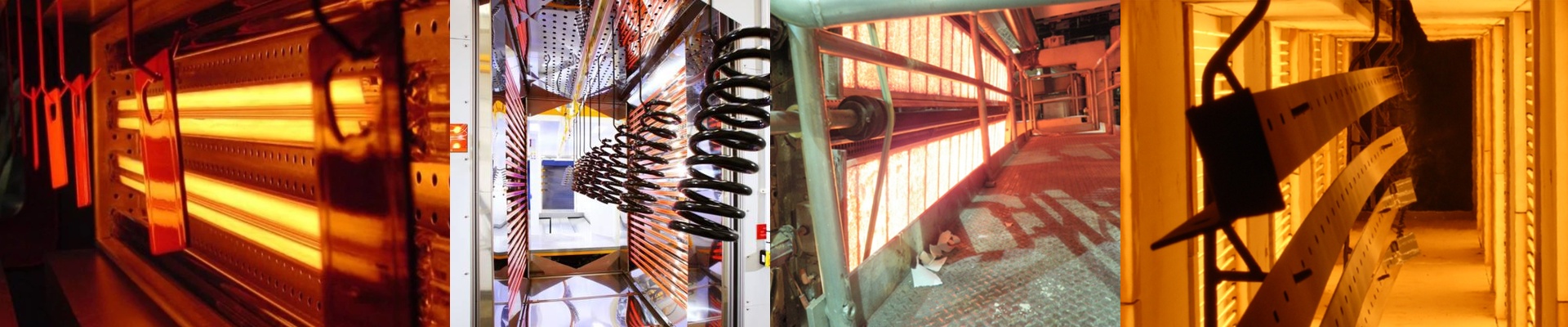
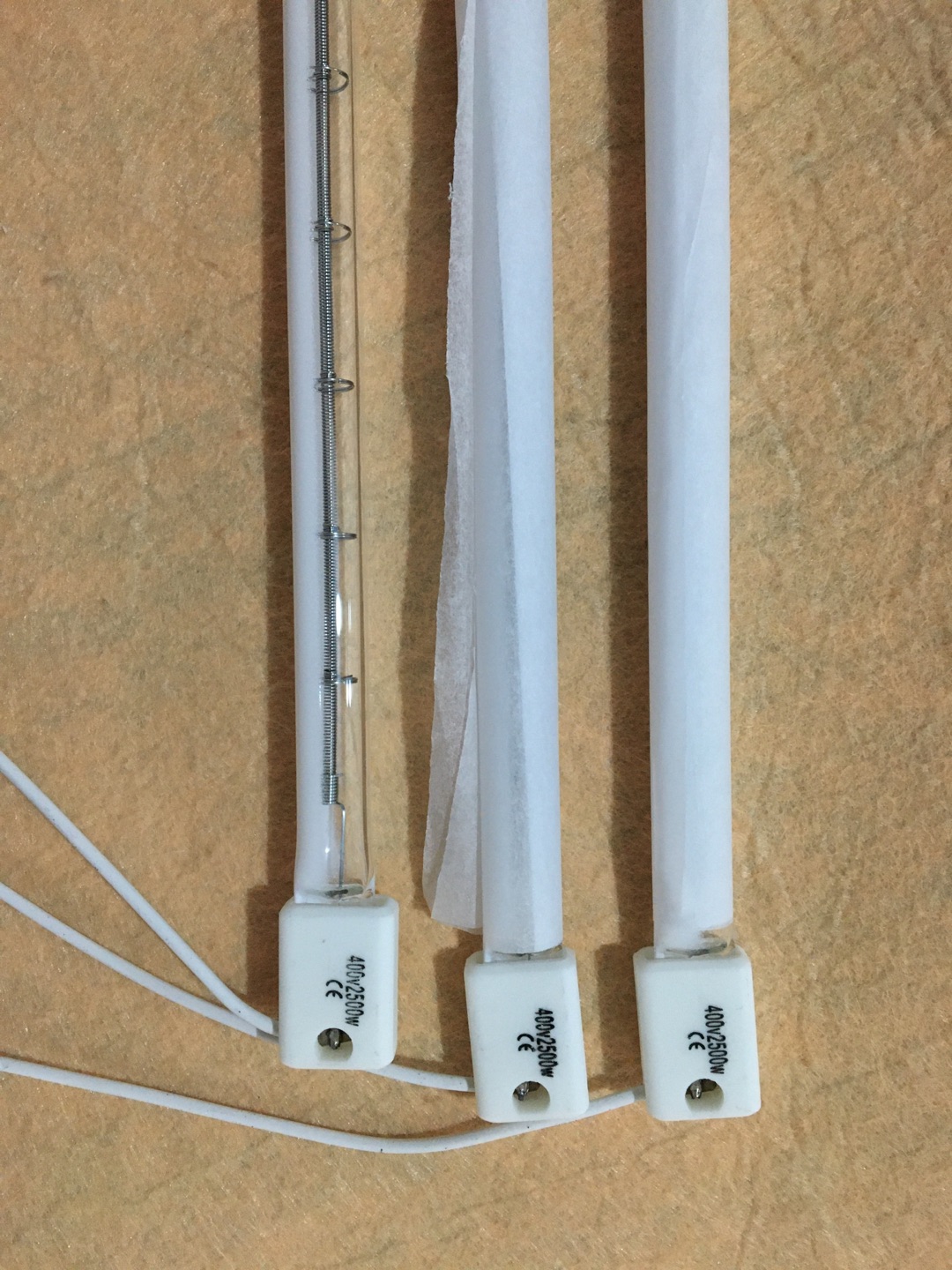
If you’ve ever worked with halogen IR lamps, you know the deal. It’s basically a tungsten filament tucked inside a quartz tube with some halogen gas. The magic here is that the gas stops the quartz from turning black, which means we can crank the heat way up. You get this intense, short-wave radiation that doesn’t just sit on the surface—it punches right through your materials. Let’s talk power. When we’re picking a lamp, it all comes down to how much heat you actually need hitting your target. If you’re using 230V or 400V, you can go with longer tubes without the current getting out of control. Now, a 2000W+ tube puts out a massive amount of heat. Just a heads-up: make sure your wiring and power supplies can take the hit. These things have a “cold-start” spike that can trip your breakers if you aren’t prepared for it. The glass and the guts. The quartz tube is where the real work happens. Most of the time, clear quartz is the way to go for maximum heat. But sometimes, we use coated versions. These actually bounce certain wavelengths back into the filament, making the whole thing run even hotter. As for the ends? We stick to the basics like R7s or SK15 connectors. They’re designed to be drop-in replacements. You can usually swap them into your existing heating banks without having to tear apart your chassis or rewire the whole machine. Where this actually matters (and the catch). You’ll see these in everything from PET blowing to paint curing and plastic welding. The best part? They hit temperature in seconds. It’s fast. Really fast. And that saves you a ton of time on your cycle runs. But here’s the thing… there’s a trade-off. Because they’re so intense, the quartz is incredibly picky. One fingerprint or a tiny smudge of oil on the glass creates a hot spot. It sounds minor, but that’s how you kill a tube prematurely. Keep the glass spotless, or just throw a protective shield over it. Your lamps will last a lot longer, and you won’t be replacing them nearly as often.