Getting Heat Right in the Modern Textile Shop
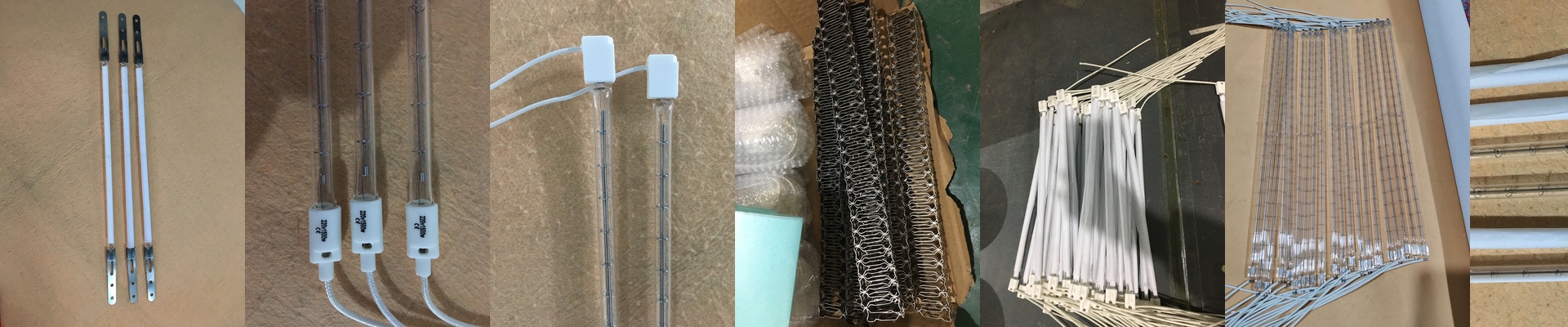
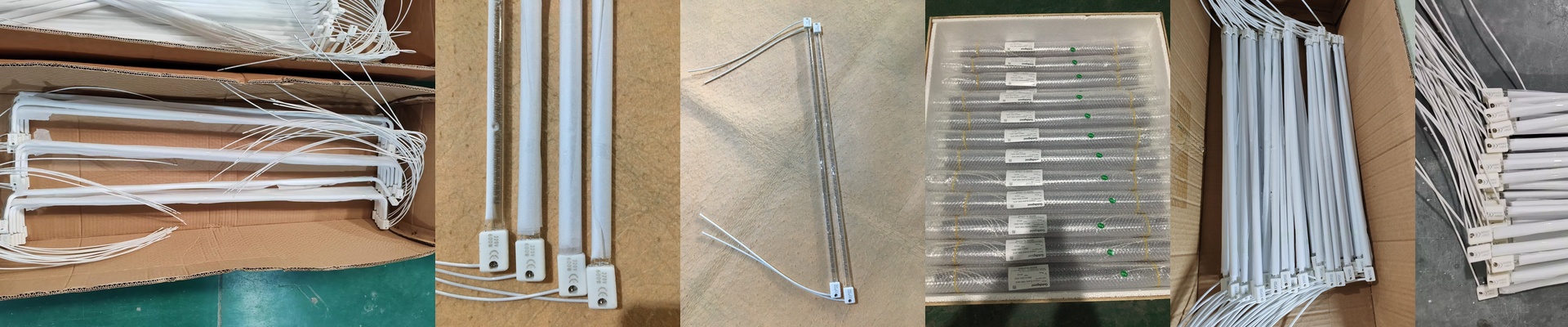
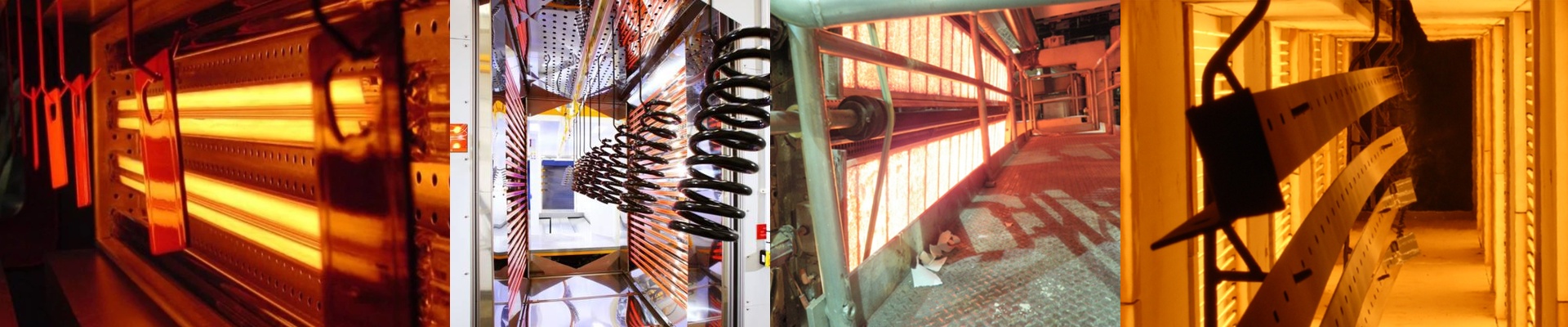
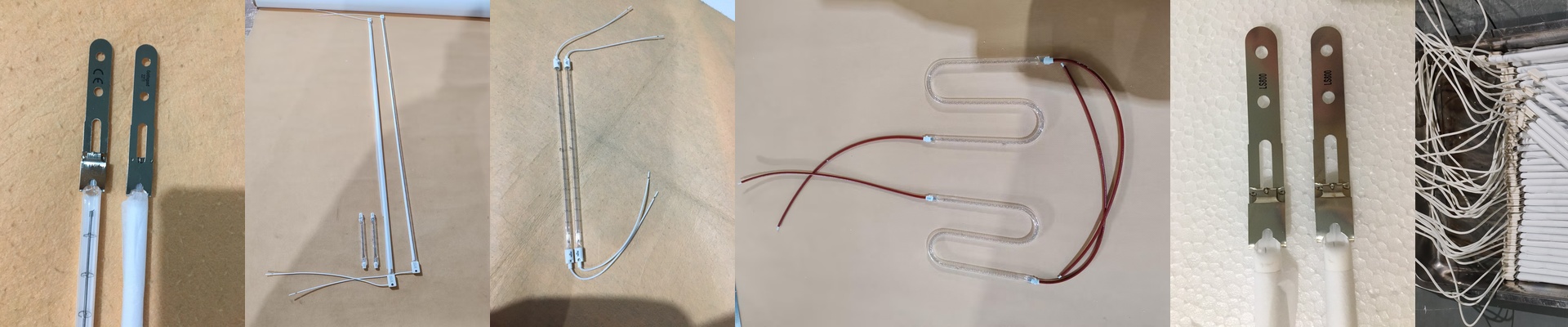
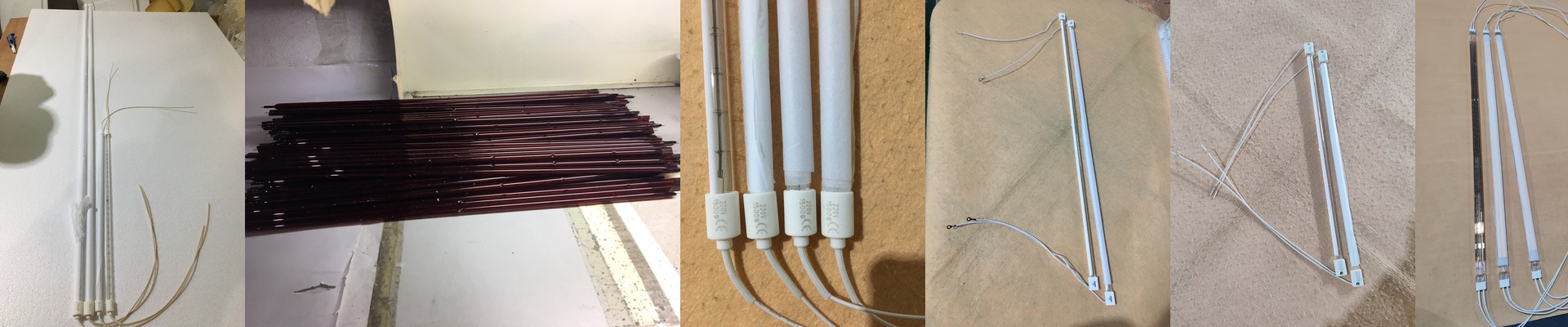
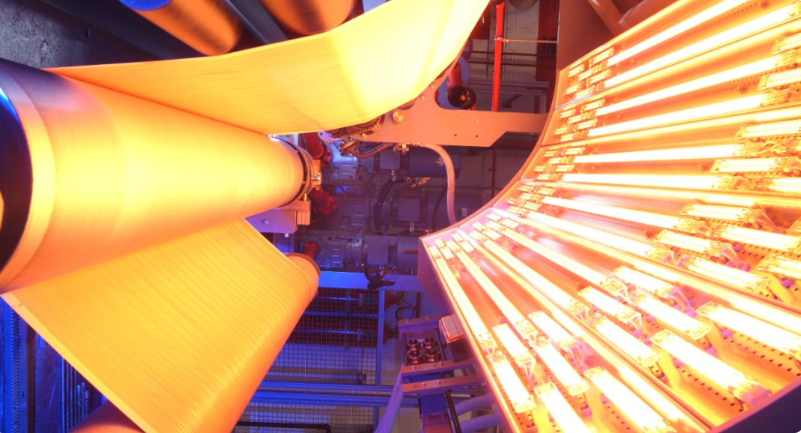
When it comes to heating fabric, the biggest mistake people make is just blasting it with heat. That’s not how it works. It’s actually about controlling the flow of energy. Think of it this way: different fabrics “drink” heat differently. Synthetic polyester isn’t the same as organic cotton. If you don’t match the IR wavelength to the specific fiber you’re using, you’ll end up scorching the surface before the core even gets warm. Not a great look. The balancing act of heat density We look at our IR lamps in terms of wattage per centimeter. Now, high-wattage quartz tubes are great because they hit your target temp in seconds. It saves a ton of floor space because you don’t need a massive machine to get the job done. But there’s a catch. If you push too much power through a short tube, you put a lot of stress on the filaments. It’s a trade-off between raw power and how long the lamp actually lasts. And if you run them at the limit without enough airflow? Those ends are going to burn out fast. Quartz and the “Wave” We use high-purity quartz glass because it lets the infrared radiation through without fighting it. Depending on what you’re running, we can tweak the coating to shift the emission. Shortwave hits fast and hard—it’s perfect for drying. Medium-wave is the way to go if you need the heat to soak deep into a thick weave. The best part? We use standard connectors. You can just drop these into your existing rigs. You won’t have to tear apart your control cabinet or rewire the whole shop just to get better heat. Making it work on the floor To really nail the precision, you need a tight feedback loop. We hook these lamps up to PID controllers and pyrometers so the power adjusts in real-time. This is a lifesaver when the line slows down. Without it, your fabric just sits there and overheats. Just a heads-up: these high-intensity arrays put out a lot of ambient heat. Make sure your fans and vents can actually handle the load. If they can’t, you’ll be tripping thermal cut-offs on your power supplies all day.