Stop Treating Your Curing Lamps Like Trash
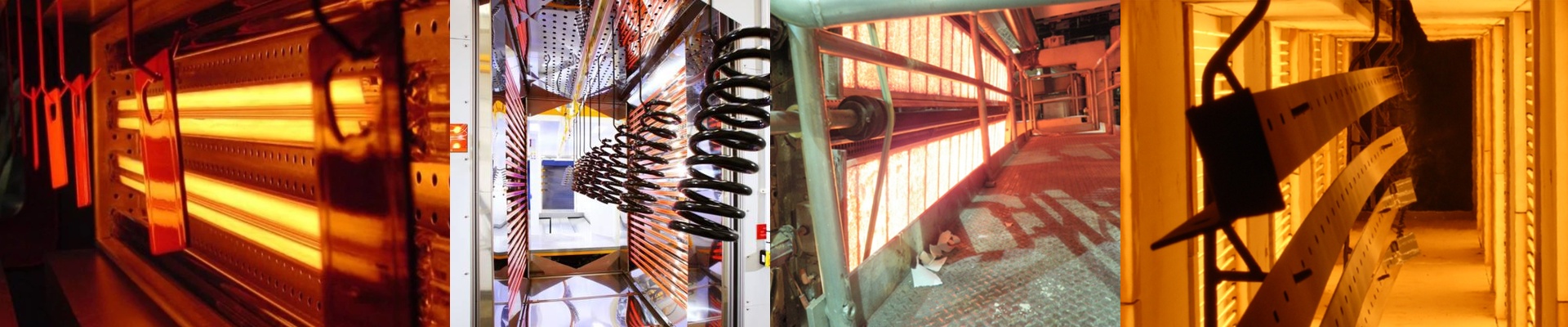
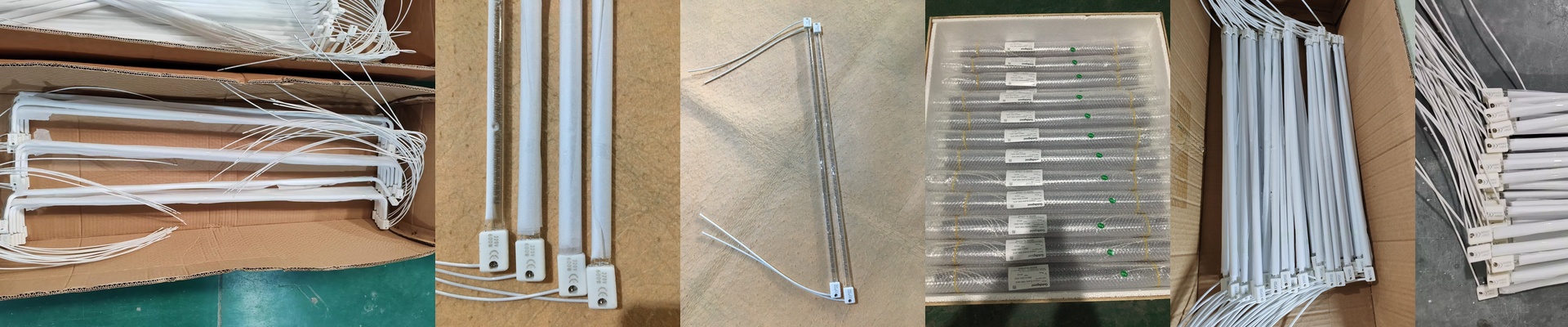
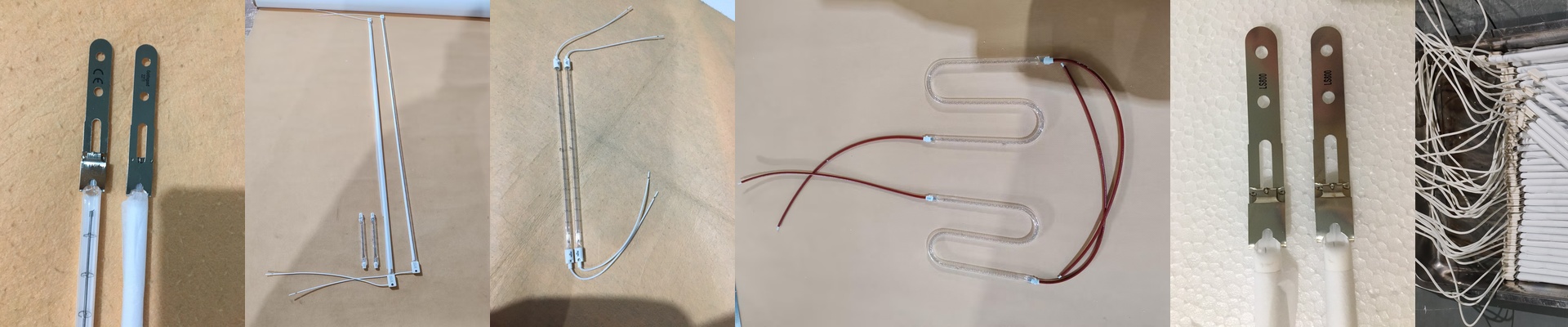
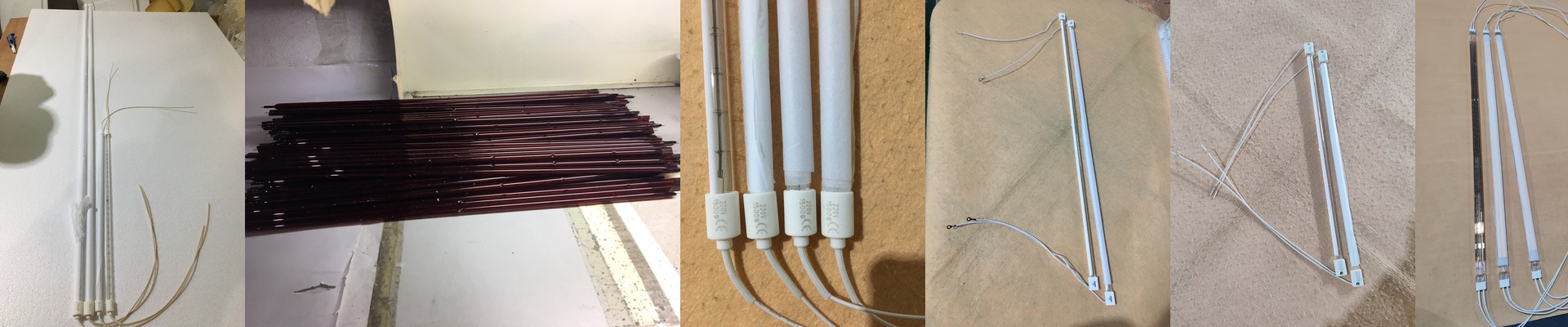
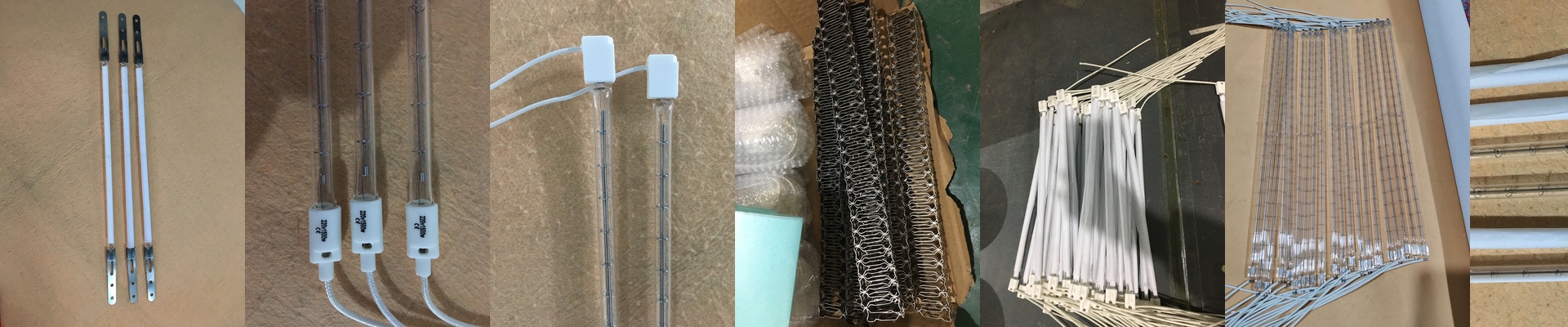
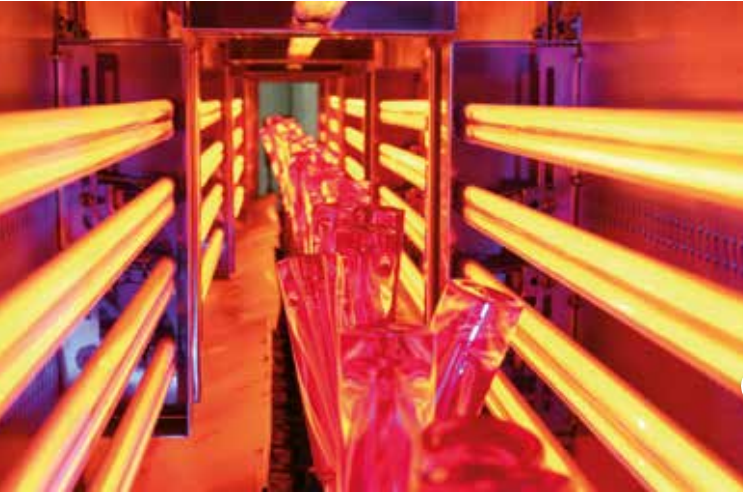
Most coating lines treat curing lamps as if they’re disposable. I’ve seen it a hundred times—burned-out tubes and cracked sockets just piling up on the shop floor every few months. It’s a mess, and it’s a waste of money. If you actually want to hit those zero-waste goals, you have to break that cycle. Stop replacing things and start making them last. For us, that means getting obsessive about the physics of the filament and the quartz envelope. The secret to making them last? It’s all about the heat. Most cheap lamps fail because they’re pushed to the absolute limit of what they can handle. We do things differently. We balance the voltage and wattage so the filament doesn’t thin out and snap. Think of it this way: if you run a lamp a bit cooler but for longer, the tungsten doesn’t evaporate nearly as fast. You get way fewer “emergency” replacements and a lot less downtime. It’s just common sense. Dealing with the stress Then there’s the glass. Standard glass just can’t handle the constant on-off hammering of a curing tunnel. It cracks. Simple as that. We use high-purity fused quartz because it can actually take a beating. Plus, we apply coatings that bounce the heat back toward your workpiece instead of letting it soak into the machine housing. This keeps the ends of the lamp cool. Trust me, if your sockets get too hot, the wiring gets brittle and snaps. And that’s a headache nobody needs. The honest trade-off Now, let’s be real. You don’t get this kind of longevity for free. If you want a lamp that lasts 10,000 hours, it might not hit the same blistering peak intensity as a “burn-fast” tube. You’ll have to tweak your conveyor speed to make sure the coating cures perfectly. But here’s the kicker: if you slow your line down by just 5%, you could potentially triple the life of your lamps. To me, that’s a trade worth making for a cleaner, quieter, and way more sustainable shop.