Better IR Heating for Mid-Sized Textile Shops
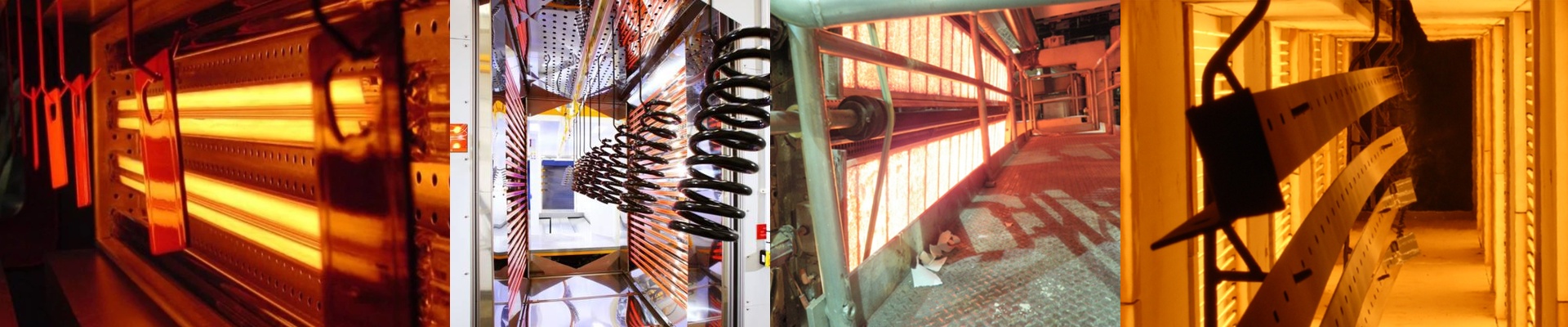
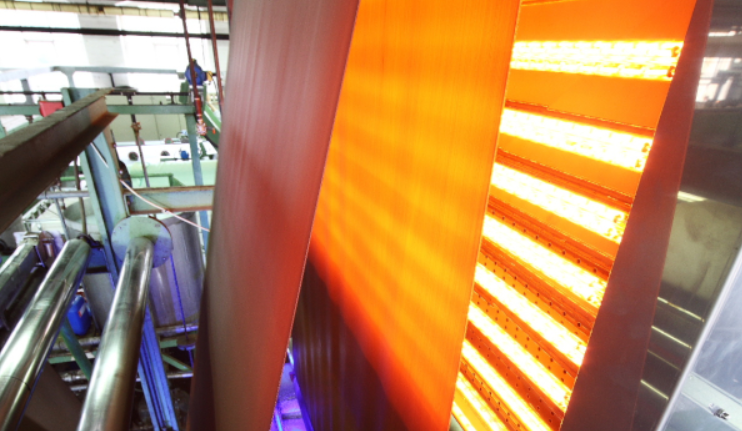
Let’s be honest: drying and curing fabric is a pain. If you’re running a mid-sized mill, you’ve probably felt the squeeze. You’re stuck choosing between those cheap, knock-off lamps that burn out in a heartbeat or the big-name systems that cost a small fortune just because of the logo on the box. We think that’s ridiculous. We build our infrared lamps to give you that high-end heat density and long life, but without the corporate tax.
Let’s talk heat density
Here’s the thing about textile work: it’s a balancing act. You need enough punch to cure the fabric, but not so much that you scorch the material. It mostly comes down to how much wattage you’re packing into every millimeter of the tube. If you put more power into a shorter tube, your line moves faster. Simple as that. Just a heads-up, though—make sure your power supply can actually handle that surge. You don’t want to be staring at a tripped breaker in the middle of a big run.
The gear inside
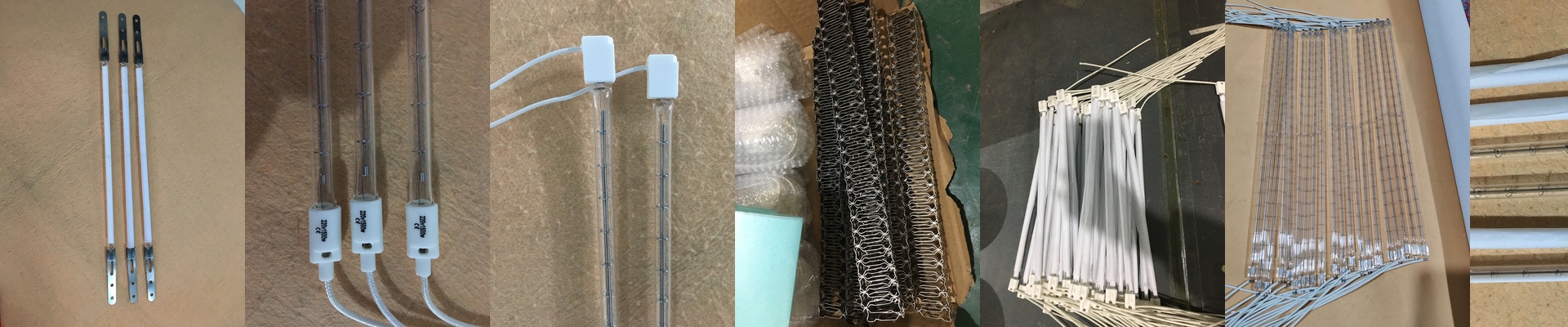
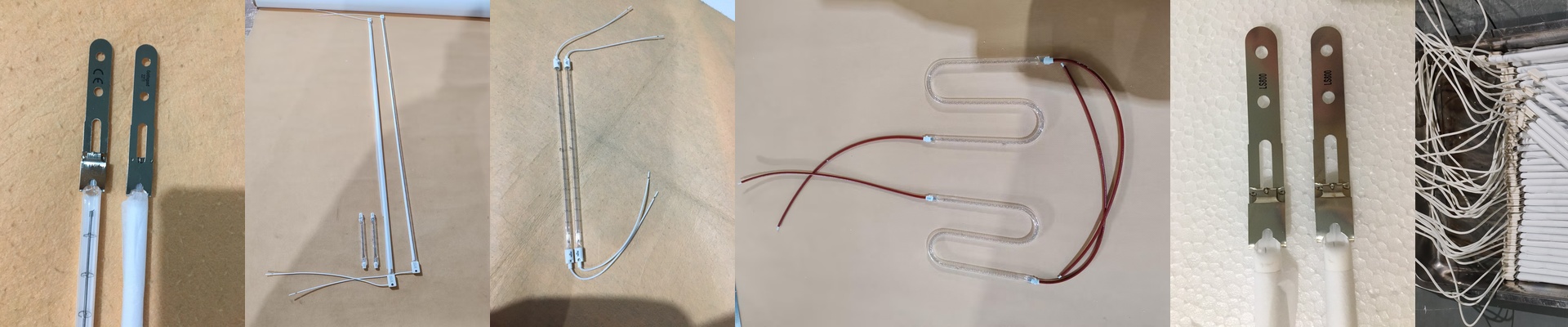
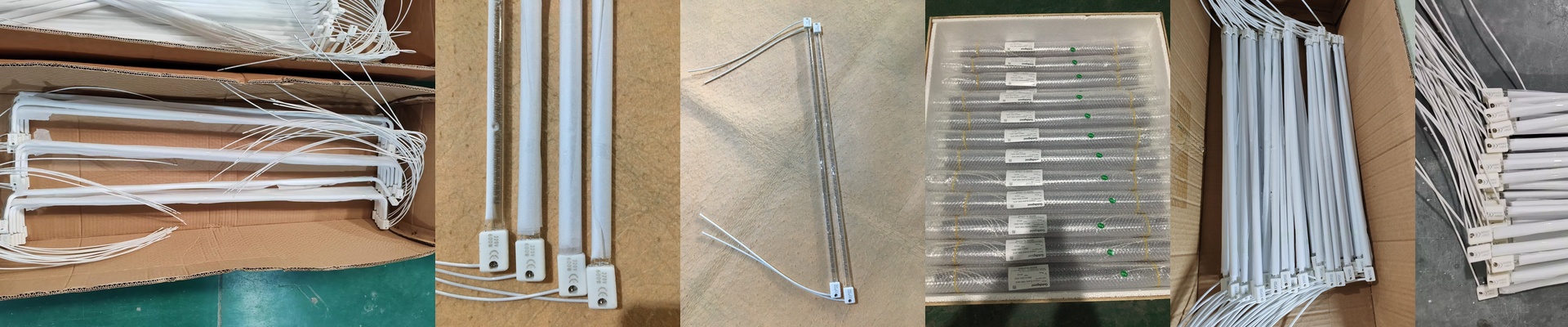
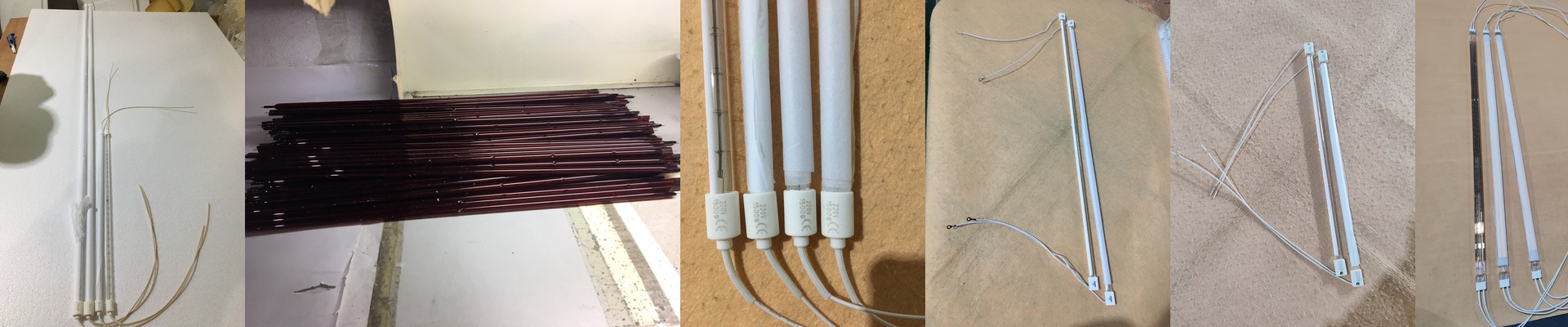
We use high-purity quartz glass. Why? Because it doesn’t freak out when you cycle the heat on and off quickly. Standard glass just can’t take that kind of thermal shock. Depending on what dyes or coatings you’re using, we can customize the emitters for you. A coated tube changes how the heat hits the fabric. Instead of searing the surface, the heat actually sinks deeper into the fibers. And don’t worry about the installation. We use standard R7s and Sk15 connectors. They just slide right in. You won’t have to tear apart your racks or rewire your whole shop just to get these running.
The reality of the mill floor
Mills are dusty. They’re loud. And they’re tough on equipment. That’s why we obsess over the seal between the filament and the quartz. If that seal fails, oxidation kicks in and the lamp is toast. One last tip: if you’re running these at max voltage, your reflectors are going to feel the heat. If they’re dirty or pitted, you’re basically throwing away 20% of your efficiency. Keep them clean. We’ll provide the heavy-duty hardware, but the upkeep is on you.