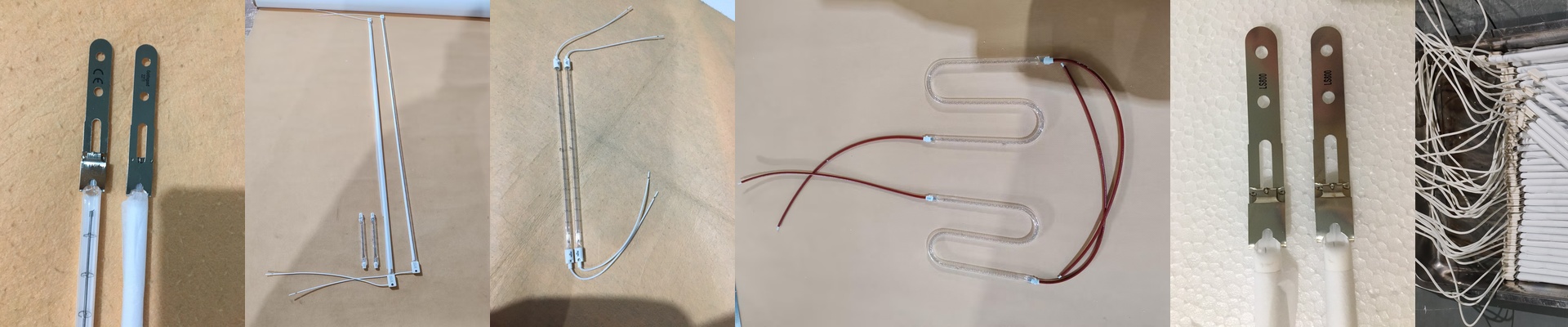
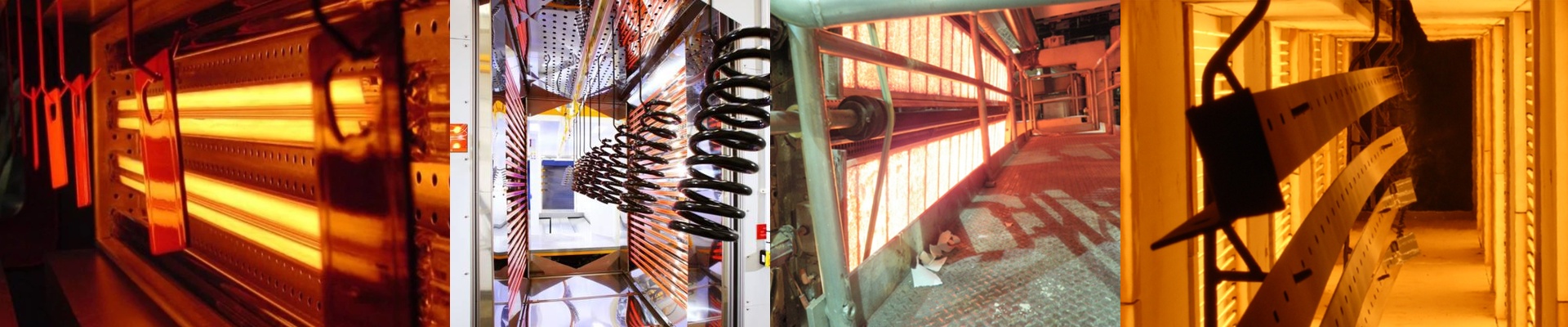
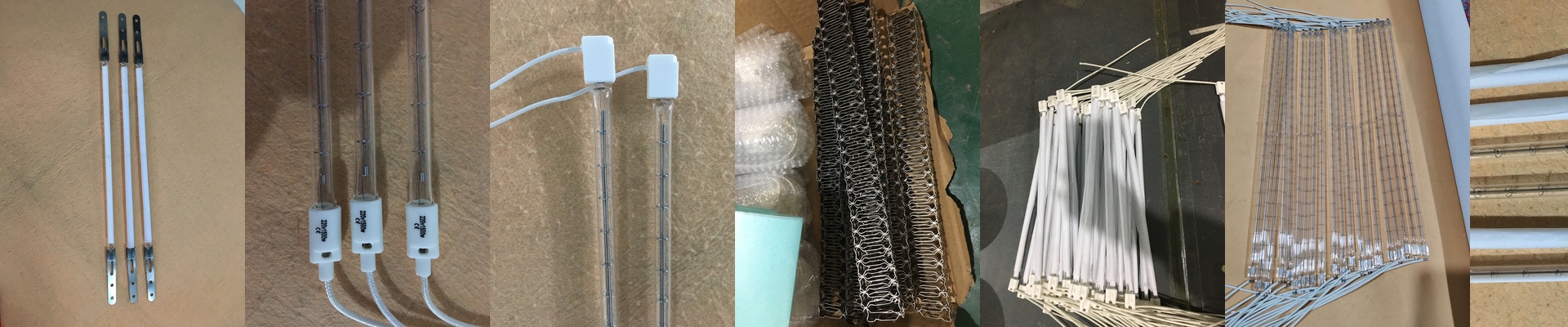
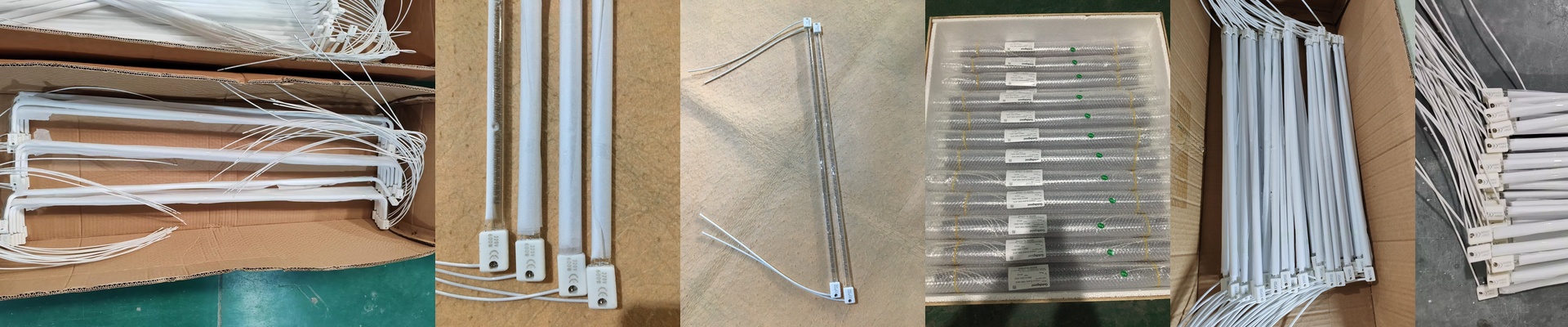
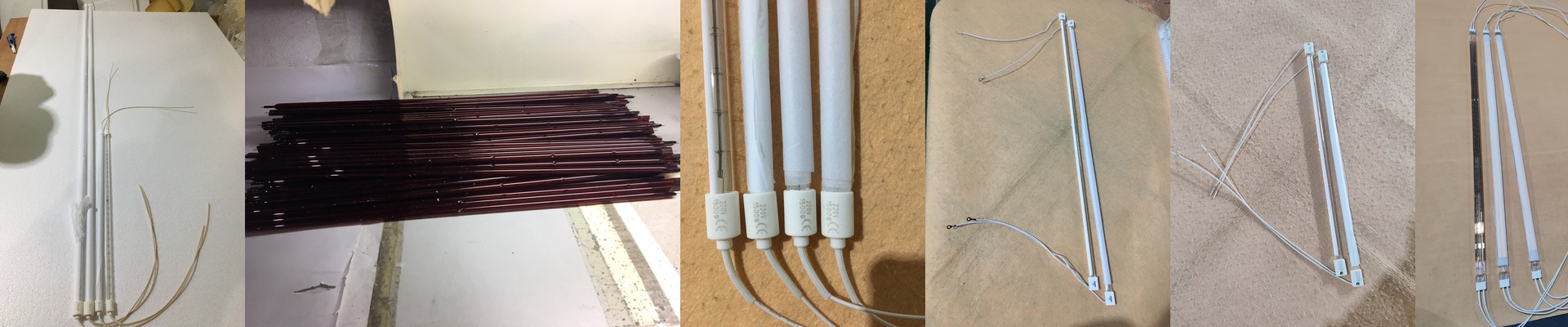
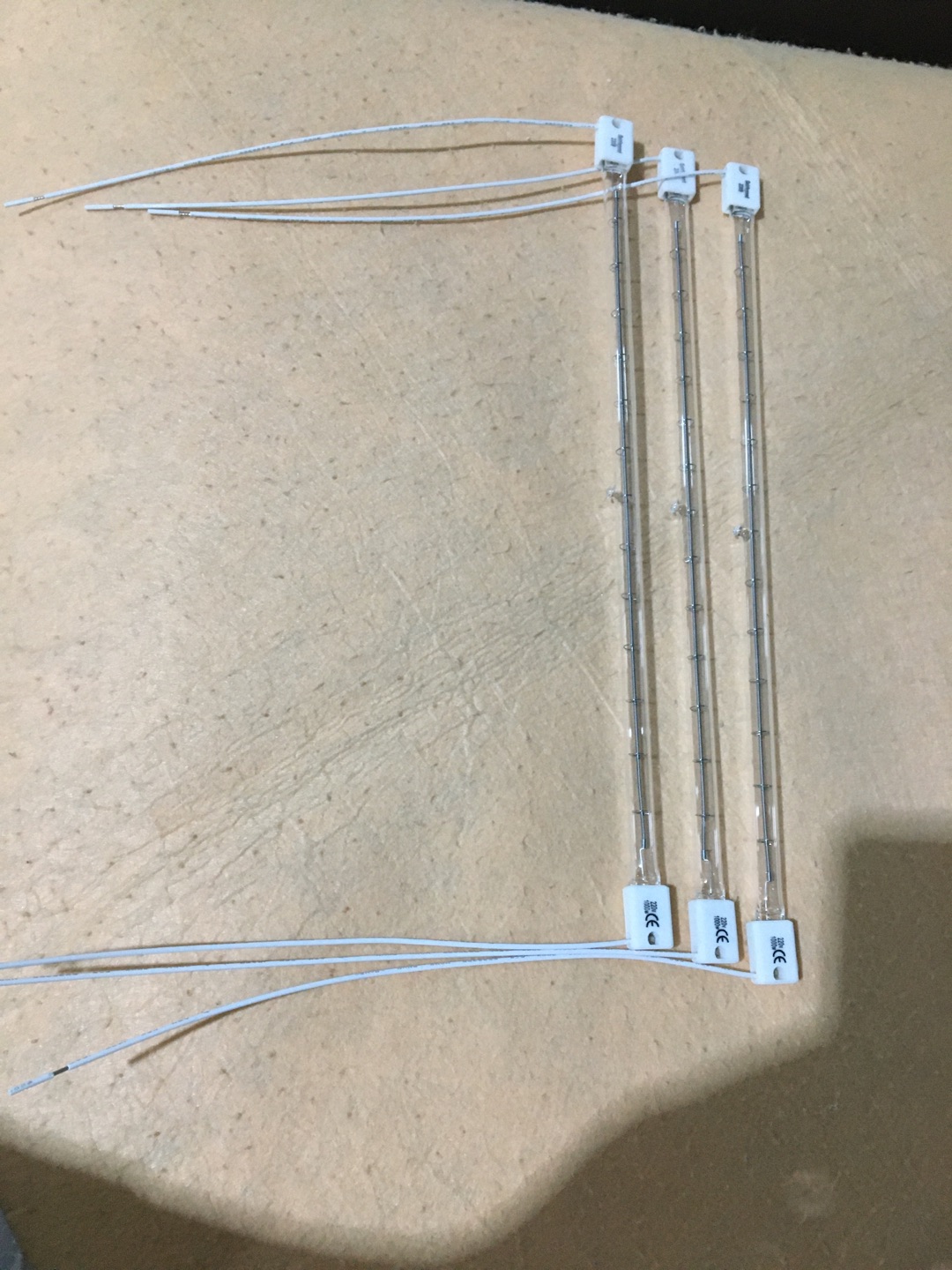
Let’s talk about the 560mm Medium Wave Halogen Heater
If you’ve ever struggled with heat that just sits on the surface of your material without actually getting inside, you know the frustration. That’s exactly why we built this 560mm, 1500W lamp. It’s designed for those jobs where you need the heat to penetrate deeper than a standard short-wave emitter can handle. Since it runs on 220V, it fits right into most industrial setups. You can basically swap it into your existing arrays without having to rewire your entire shop. The balance of power We spent a lot of time dialing in the wattage. At 1500W over 560mm, it’s a sweet spot. It gives you a steady, reliable heat flux without burning out the filament too quickly. Here is the best part: the medium-wave spectrum is a natural match for organic polymers and coatings. Instead of a harsh surface blast, you get a uniform “soak” through the material. Just a heads-up, though—don’t try to push the voltage past 220V. You might get a bit more heat for a minute, but you’ll kill the lamp’s lifespan pretty fast. Why the quartz and halogen matter Inside that quartz envelope is a halogen gas that does some heavy lifting. It creates a cycle where the evaporated tungsten actually moves back onto the wire. Why should you care? Because it keeps the quartz clear. No clouding, no dimming—just stable output for thousands of hours. Plus, the 560mm size is the standard “goldilocks” fit for PET blowing ovens and drying tunnels. A few tips for the field If you want these to last, don’t just flip a switch and hope for the best. Pair them with a PID controller and SCR power regulation. Quartz is tough, but it hates thermal shock. If you blast it with full power instantly without a ramp-up, you risk cracking the seal. Also, keep an eye on your wiring. 1500W at 220V pulls a decent amount of current. Make sure your wire gauge is thick enough to handle a continuous load, or you’ll see your voltage drop right at the terminals. One last thing: these take a little longer to warm up than short-wave lamps. It’s a slower start, but the payoff is a much more consistent cure for your thicker materials.