Stopping the Steam Struggle in Reggiani IR Modules
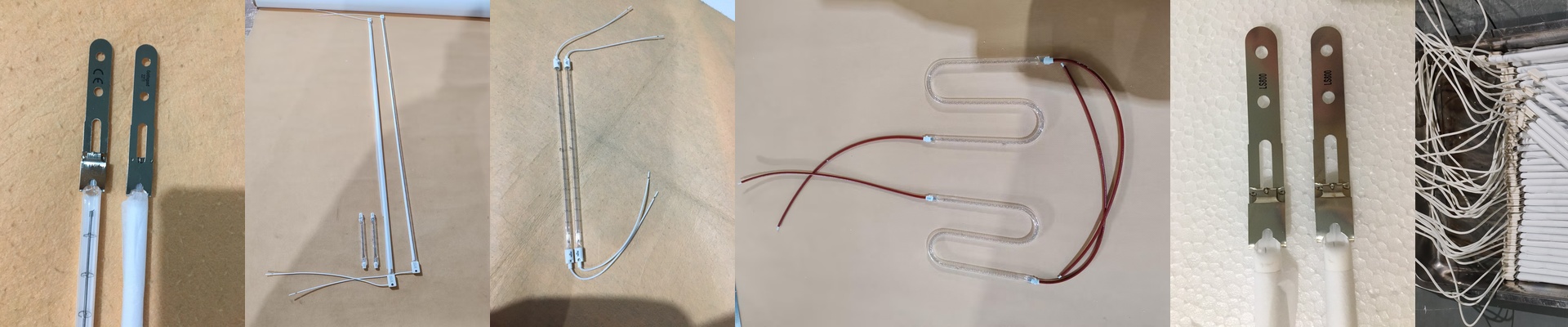
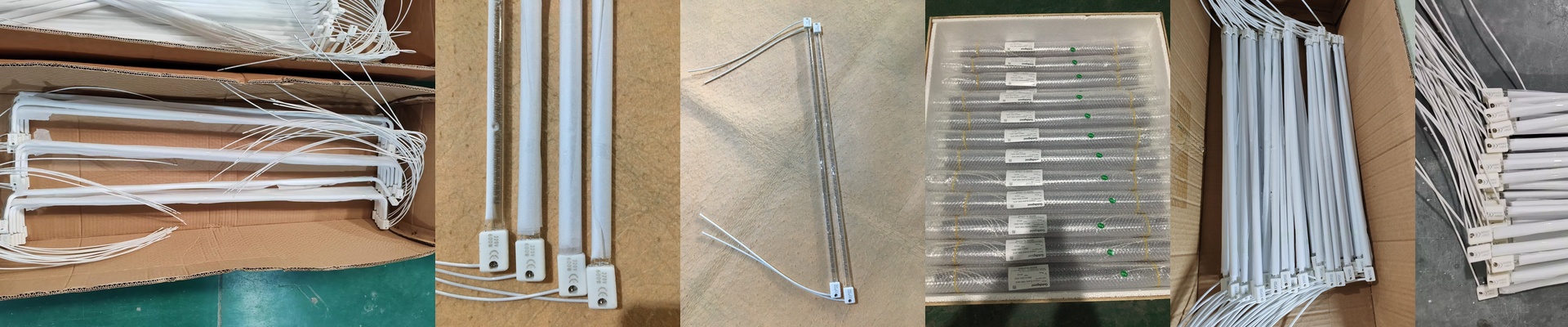
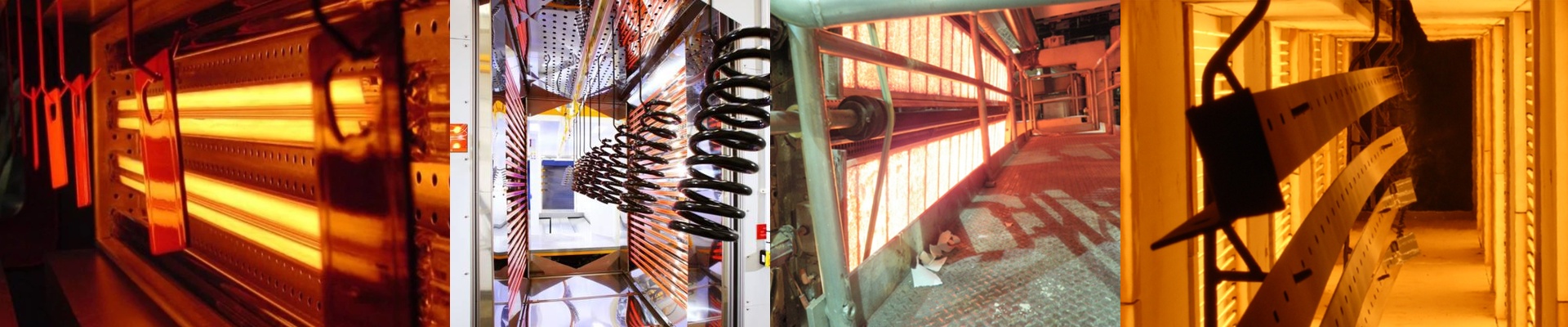
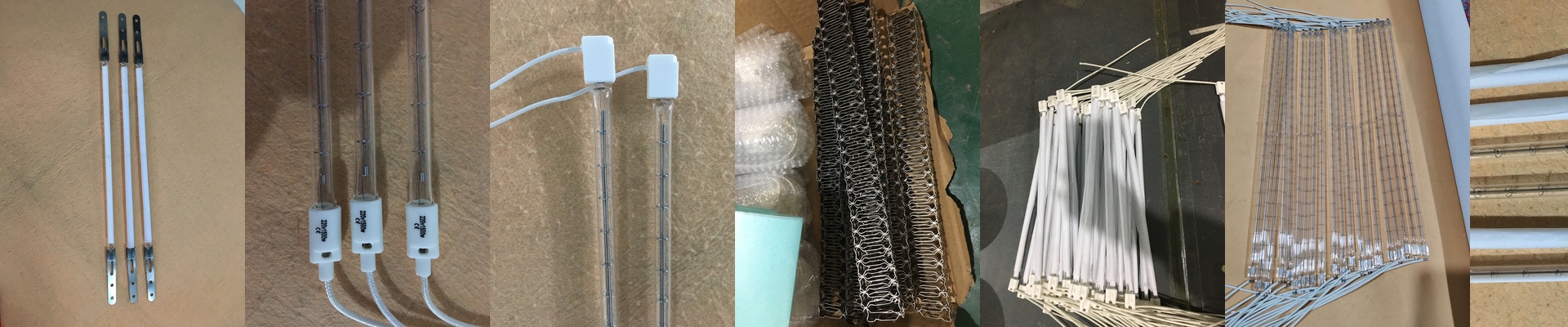
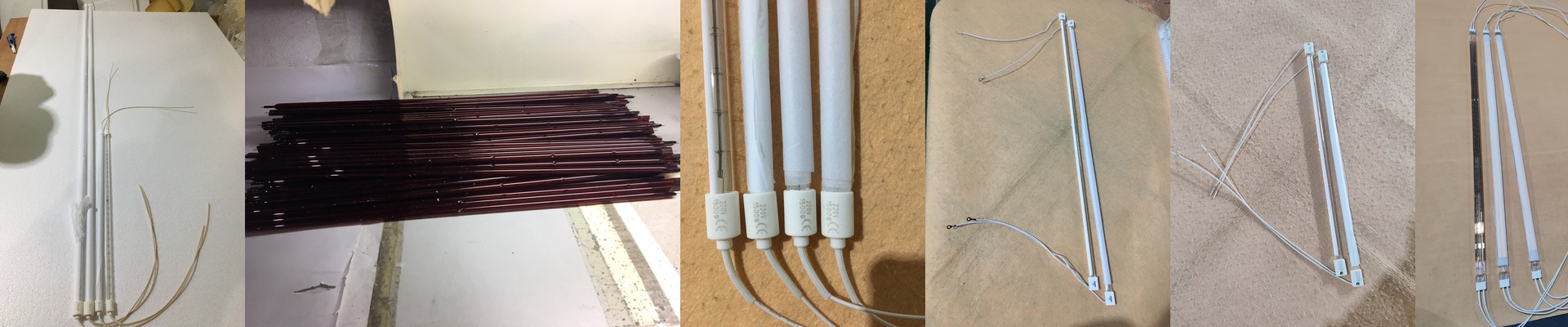
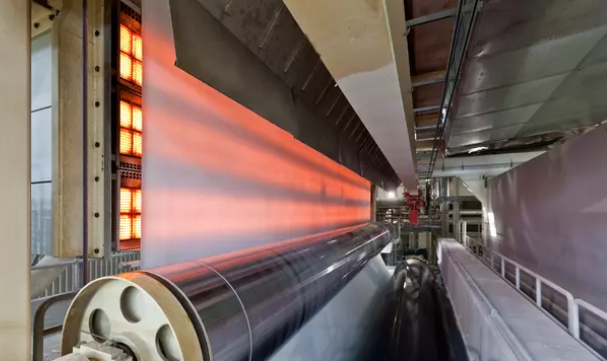
If you’re running fabric drying lines—especially on Reggiani gear—you know exactly how much water you’re dealing with. It’s a lot. The problem is that all that evaporated steam doesn’t just vanish. It clings to the quartz envelopes of your IR lamps. Once that condensation kicks in, you get cold spots and heat that just isn’t even. But here is the real nightmare: thermal shock. A tiny drop of water hits a searing hot tube, and snap. The quartz cracks, the lamp burns out, and you’re staring at unplanned downtime. A better way to handle the fog We decided to tackle this by rethinking the heating module. Instead of just leaving the lamps open to the air, we built in a controlled airflow barrier and a specific quartz coating. It’s simple. It keeps the water vapor from ever settling on the tube. When the envelope stays dry, you stop that brutal cycle of condensation and stress. The nuts and bolts To get the kind of heat density you need for textile curing, we stick with shortwave IR emitters. They’re fast. Really fast. That means the heat hits the fabric fibers immediately, which is the only way to keep high-speed lines moving. Now, there is a catch. High-wattage shortwave tubes get incredibly hot at the end-caps. If your cooling fans aren’t up to the task, your connectors will start to degrade. Just a heads-up: make sure your ventilation can actually handle the wattage of your replacement lamps. You don’t want to find out the hard way by melting your wiring. Getting them installed We made these modules drop-in replacements. You won’t have to spend your weekend rewiring the entire rack. We use standard industrial connectors, so the swap is quick and painless. If you look at your current tubes and see white frosting or water streaks, your humidity is winning the fight against your ventilation. Switching to an anti-fog module stops those filaments from dying early and keeps your drying consistent across the whole web.