Stop Just Buying Lamps. Start Fixing Your Line.
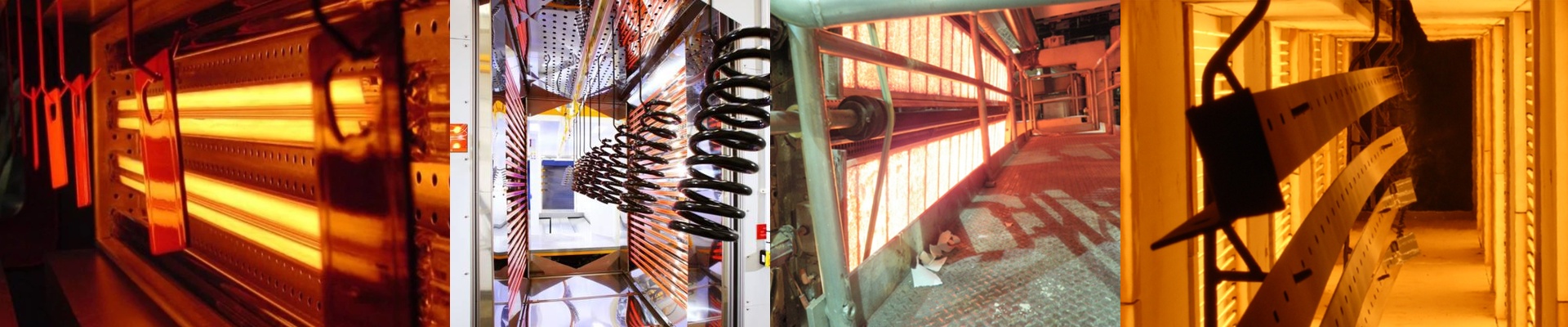
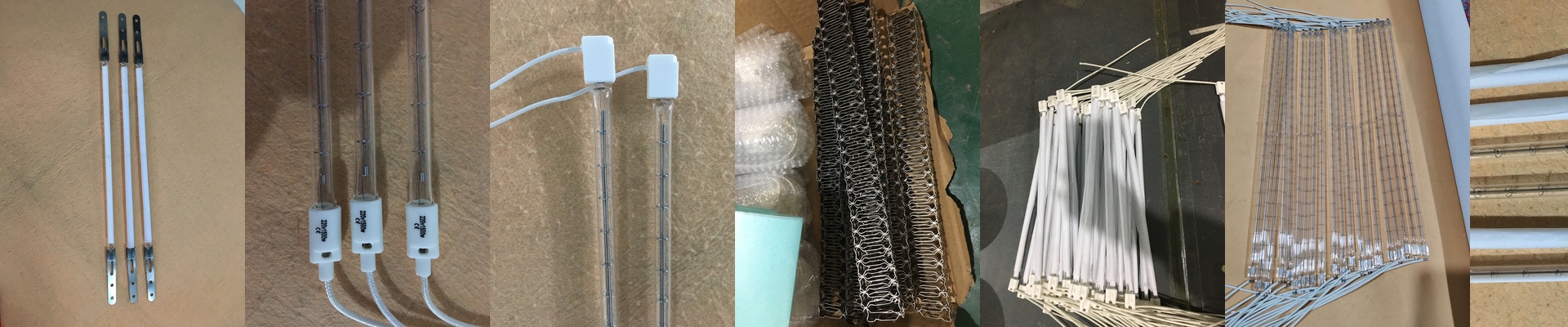
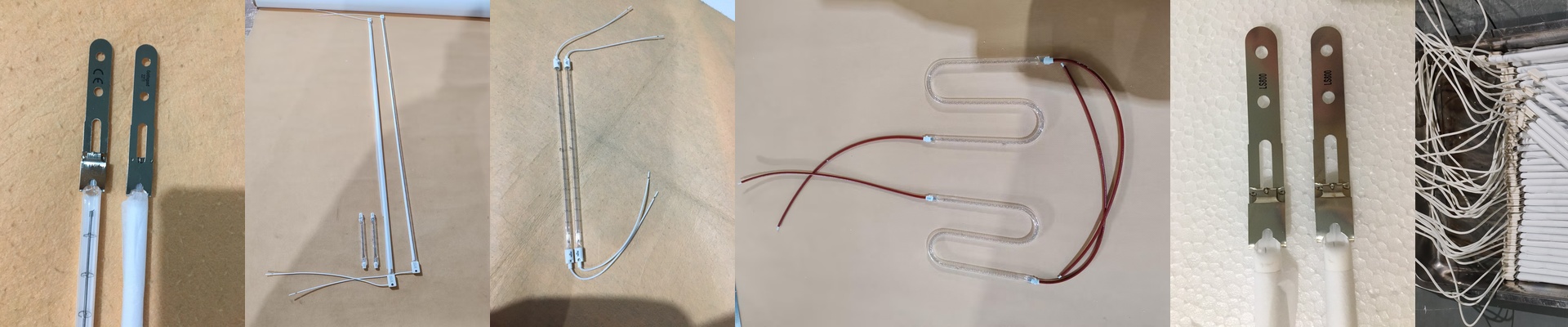
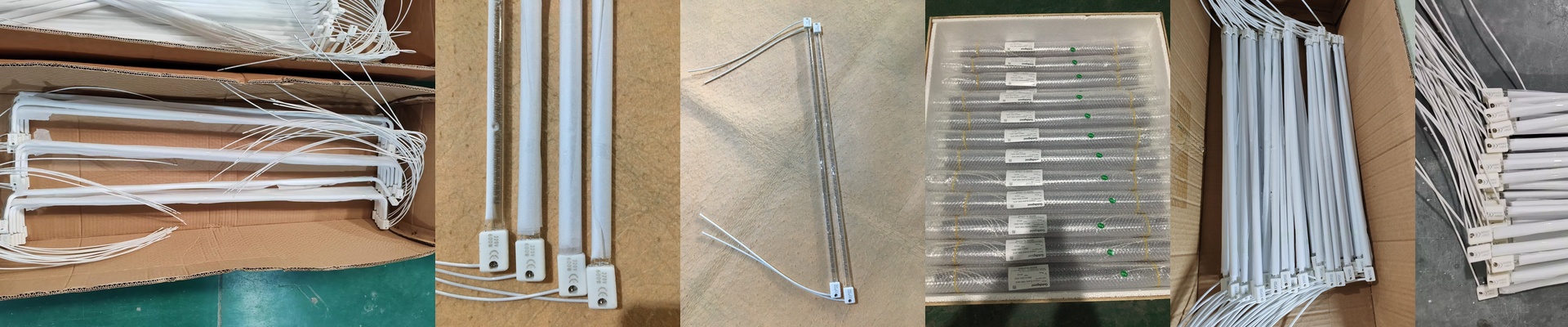
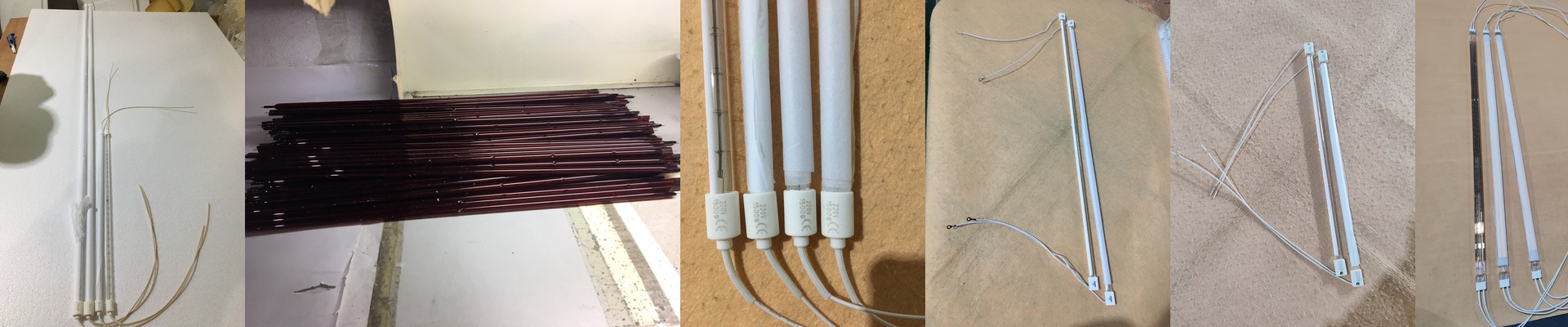
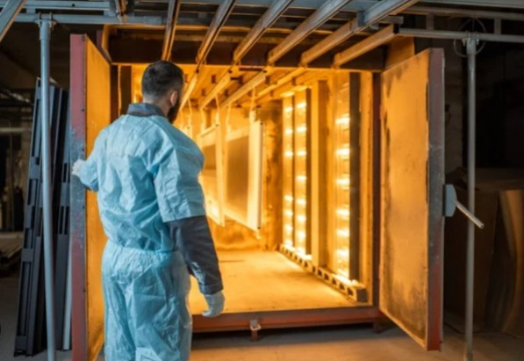
Most suppliers will just throw a tube in a box, slap a packing list on it, and call it a day. We don’t do that. To us, a curing lamp isn’t just a part—it’s one piece of a much bigger puzzle. If your coatings aren’t curing right or your power bill is through the roof, the lamp usually isn’t the culprit. It’s almost always the way the whole process is set up. The truth about heat density When we’re figuring out which lamp you need, we look at the balance of wattage, voltage, and surface area. If you cram high wattage into a short tube, you get intense heat. That’s exactly what you want for fast-cure coatings that need a sudden “kick” of temperature to lock everything in. It lets you crank up your line speed. But there’s a catch. Those high-intensity tubes are touchy. If your voltage jumps around, they’ll burn out way too fast. That’s why we suggest using dedicated stabilizers. It saves you from the headache of replacing filaments every other week. Picking the right materials Sure, quartz glass is the go-to. But we use specific coatings to change how the heat actually hits your product. Shortwave IR digs deep into the coating layer. Medium-wave is better if you just need to dry the surface. And we keep things simple with standard R7s or Sk15 connectors. They just slide right into your existing gear. One quick tip: check your connectors. A loose fit creates a hot spot, and before you know it, you’ve melted your housing. Not a great look. Making it actually work A fancy lamp is useless if your reflector is trash. If your reflectors are oxidized or just slightly crooked, you’re basically throwing 30% of your energy into the air. It’s a waste. We’ll help you dial in the exact distance between the lamp and your part. You want it just right—not so close that you scorch the top, but not so far that the base stays wet. We aren’t just selling you hardware. We’re here to help you wire the thing up and tune your belt speed until the heat and the timing are perfectly in sync.