Stop Letting Lamp Downtime Eat Your Profits
Let’s be honest: swapping out a blown bulb is a pain. But it’s not just the annoyance of the maintenance call—it’s the silence of a dead production line. Every minute your line is stopped, you’re losing money. It’s a quiet, sneaky cost that chews through your margins. We’re here to stop that. The goal is simple: get lamps in your machines that can actually handle the chaos of a real factory floor.
Why Lamps Actually Fail
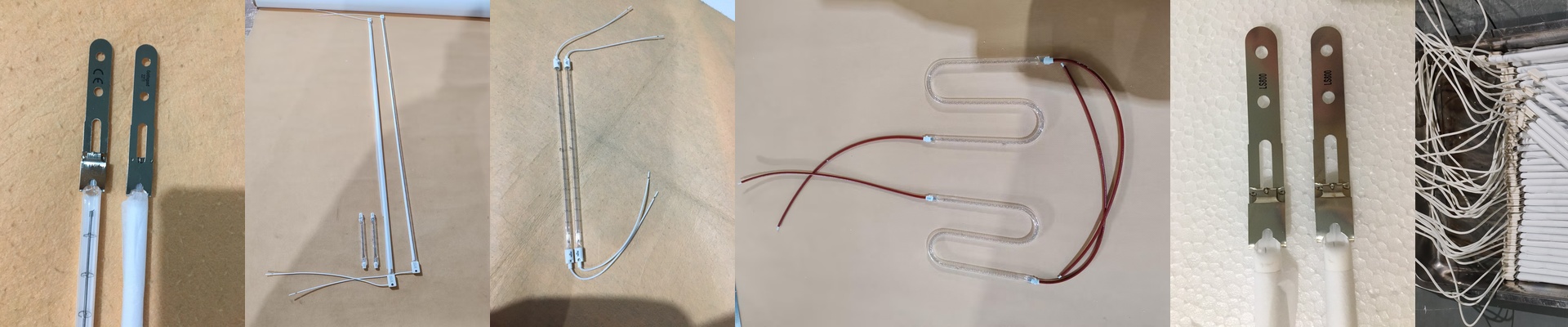
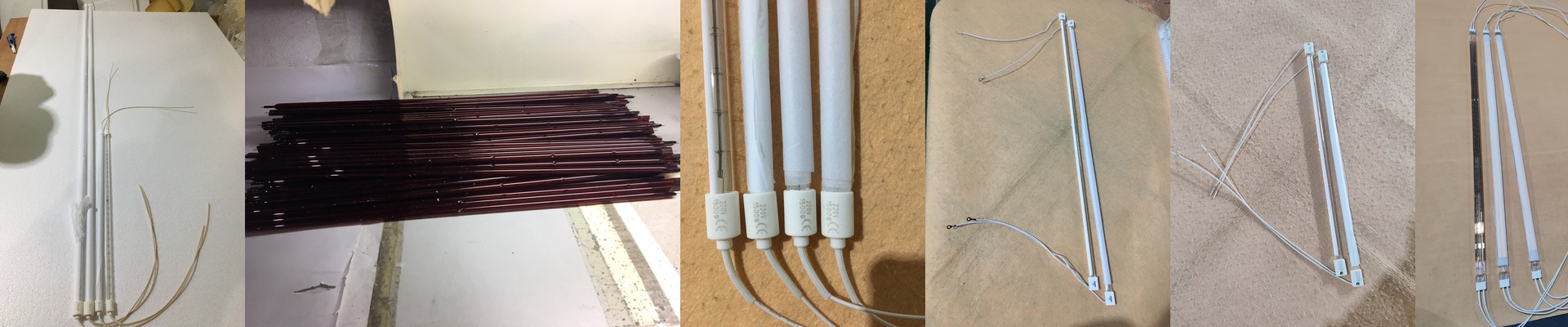
It usually comes down to heat. When a lamp gets pushed past its limit, it snaps. If you’re cramming a high-wattage tube into a tiny space, the heat density spikes. If the lamp isn’t built for that kind of pressure, the filament just gives up. We use high-purity quartz and a specific filament design to push that breaking point as far back as possible. We’re basically balancing raw power with the stability needed to keep the light on.
The Fit Matters (More Than You Think)
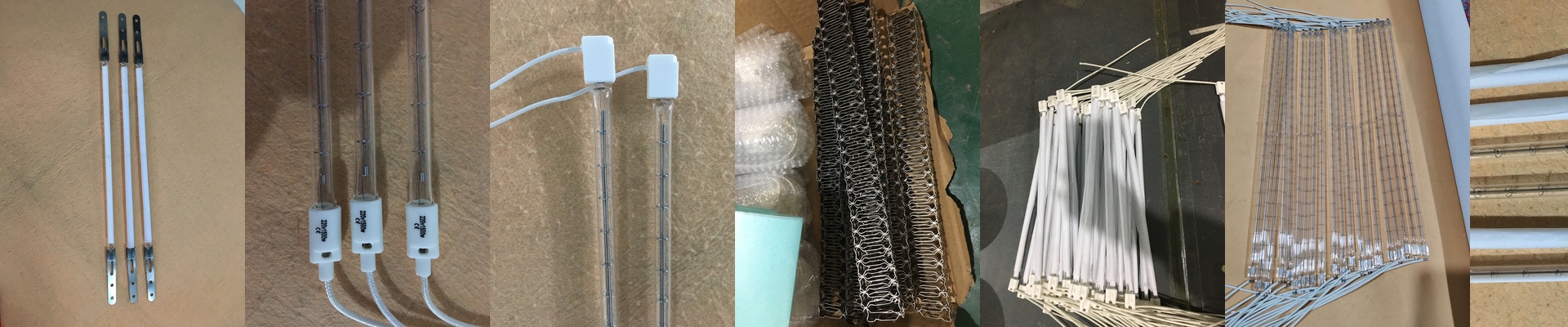
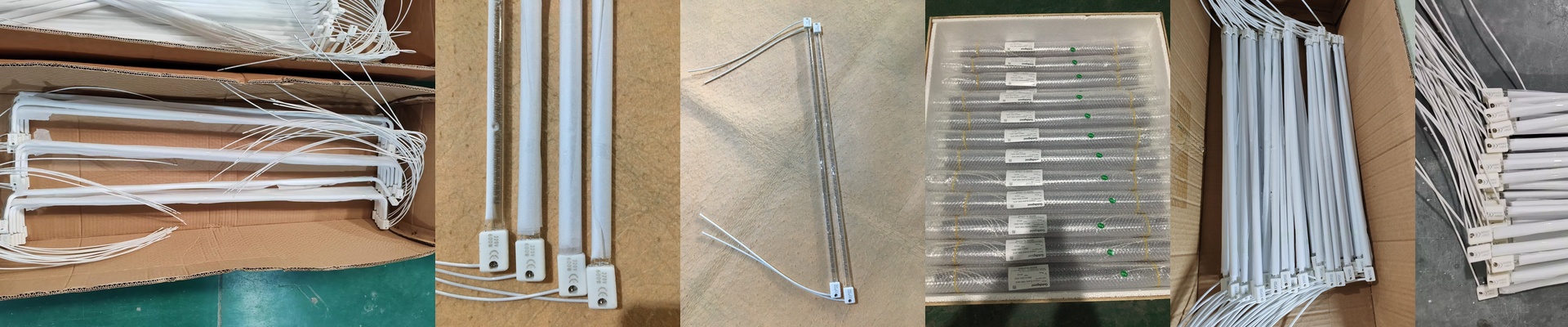
A lamp that doesn’t sit perfectly in the socket isn’t just a nuisance—it’s a risk. Whether you’re using R7s or SK15, the connection needs to be tight. If it’s loose, you get arcing. And arcing kills lamps fast. We keep our tolerances tight so these are true drop-in replacements. Your team can swap them out and get back to work without having to spend an hour recalibrating the whole array.
Power vs. Cooling: The Balancing Act
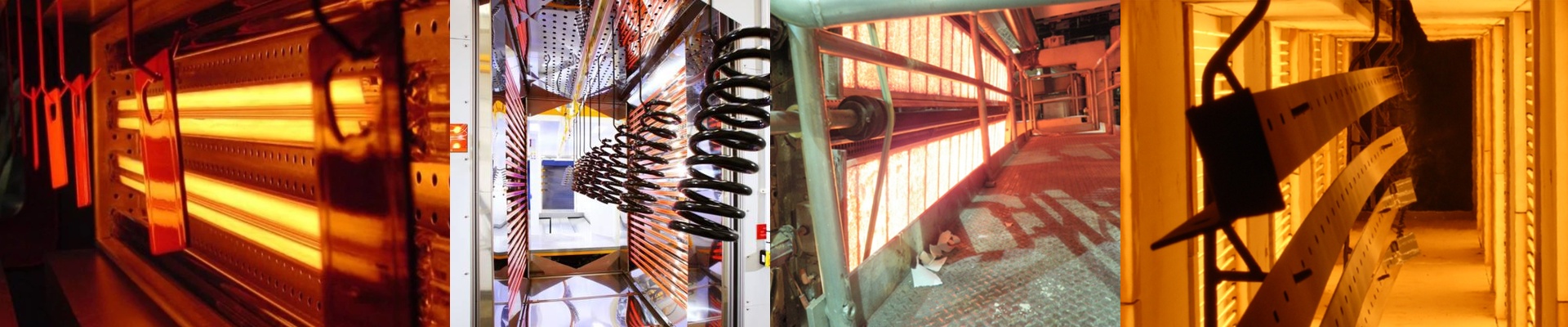
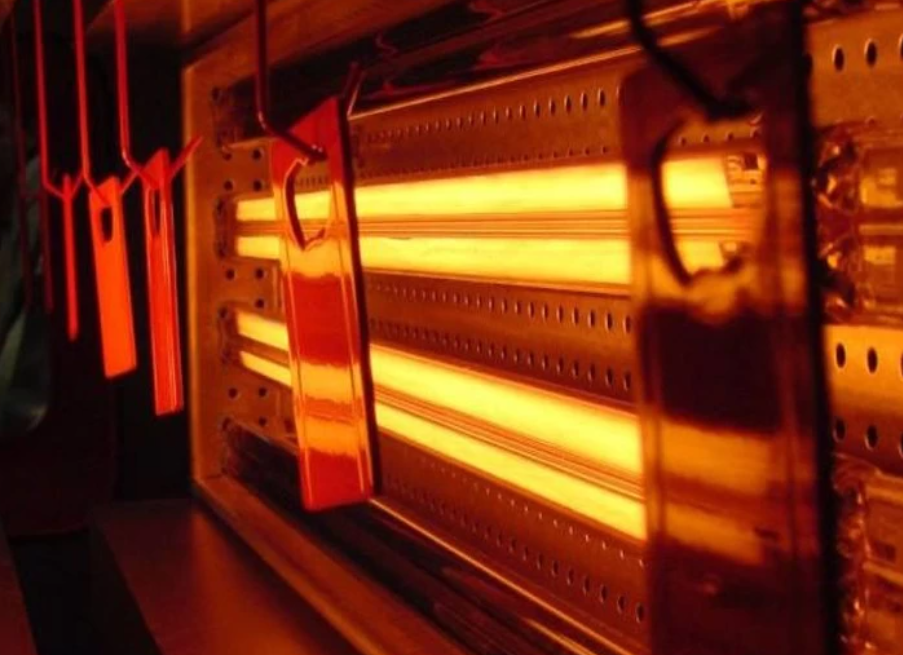
It’s tempting to just crank up the wattage to get things curing faster. But there’s a catch. High-density IR lamps dump a massive amount of heat into the housing. If your fans are clogged or just too small for the job, the lamp basically bakes itself from the outside in. You can’t just throw more power at the problem if the air isn’t moving. Here is the reality: stop thinking of lamps as cheap, disposable parts. They’re the heartbeat of your process. Better specs mean fewer stops. Fewer stops mean more product shipping out the door.