Don’t Let Your Heater Become a Fire Hazard: A Real Look at E-Stops
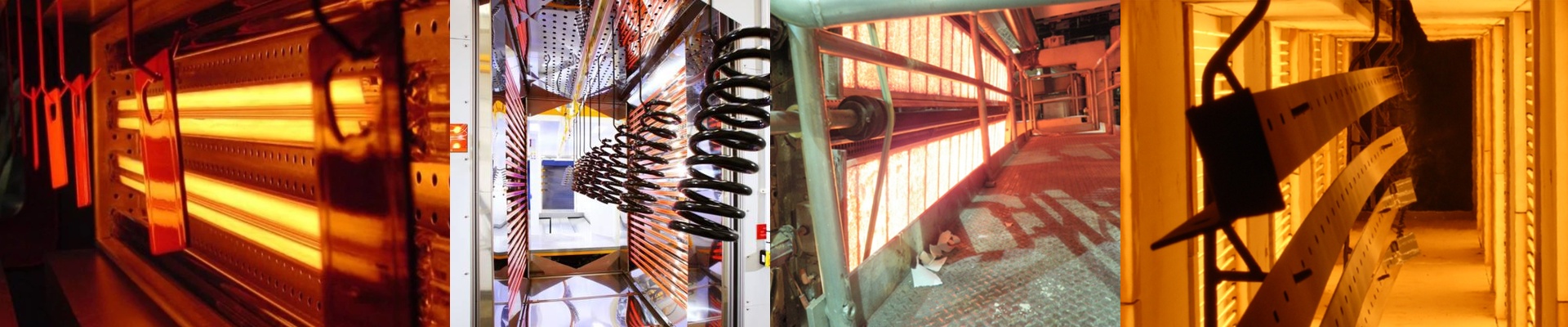
If you’re running high-wattage heaters in a coating or curing line, a basic power switch just won’t cut it. You’re dealing with massive current and a lot of heat that doesn’t just vanish the moment you flip a switch. When a conveyor jams or a sensor goes haywire, you can’t wait around. You need that heat dead in milliseconds. Otherwise, you’re looking at melted equipment or, worse, a fire.
Why we don’t trust software with your safety
Here’s the thing: software can freeze. PLCs are great, but they aren’t perfect. That’s why we don’t lean on them for critical safety. Instead, we use hard-wired, normally closed (NC) circuits. It’s simple. The circuit has to be complete for the heater to even think about running. If a wire snaps or someone slams the E-Stop button, the circuit opens and the contactors drop instantly. It’s a “fail-safe” approach. If anything in the loop breaks, the system just shuts down. No guessing games.
Dealing with the “Aftershock”
Cutting power to a 50kW heater isn’t a clean break. It creates a huge electrical spike. Without heavy-duty contactors and surge suppressors, you risk an arc flash—which can basically weld your contacts shut, leaving the heater running when you desperately need it off. And remember, the elements stay hot long after the power is gone. To handle that leftover heat, we hook up forced-air cooling or exhaust fans. They kick in the second the heating circuit opens to clear the chamber out fast.
Finding the sweet spot: Speed vs. Wear and Tear
If you’re hitting that E-Stop every other day, you’re going to chew through your contactors. They have a mechanical limit; they eventually wear out. If your process requires constant stopping and starting, try using Solid State Relays (SSRs) for the day-to-day switching. But—and this is the important part—keep a mechanical contactor as your primary safety disconnect. That way, you get the speed of electronic switching, but you still have that physical air-gap break for when things actually go wrong. It’s the best of both worlds.