Getting the Heat Right in Textile Processing
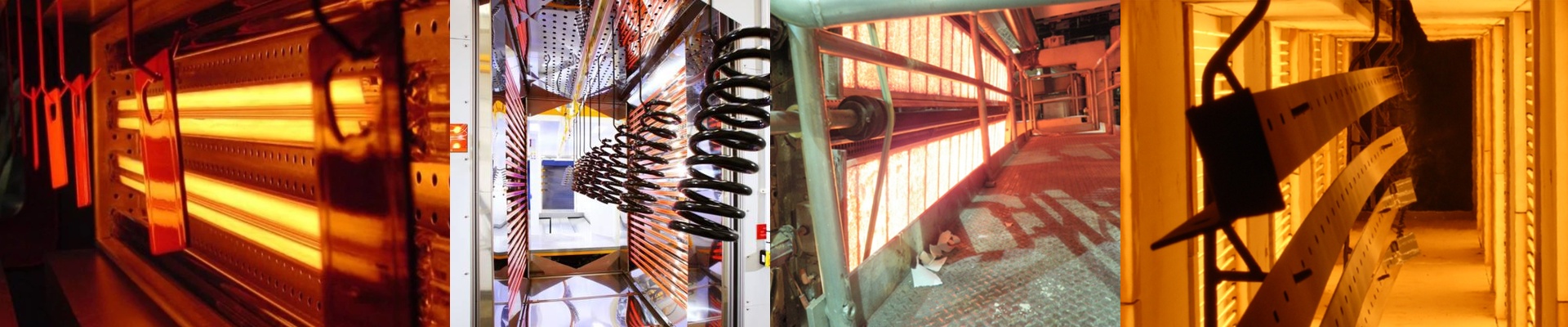
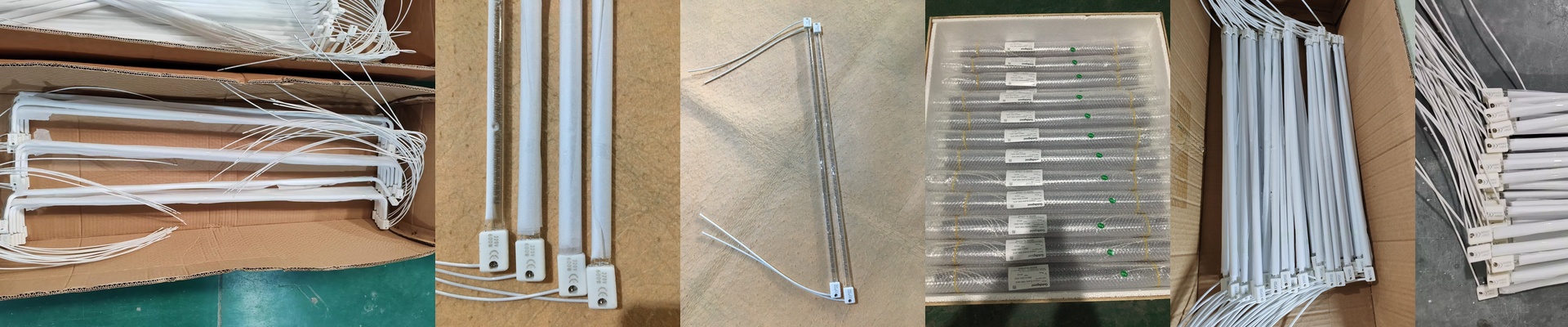
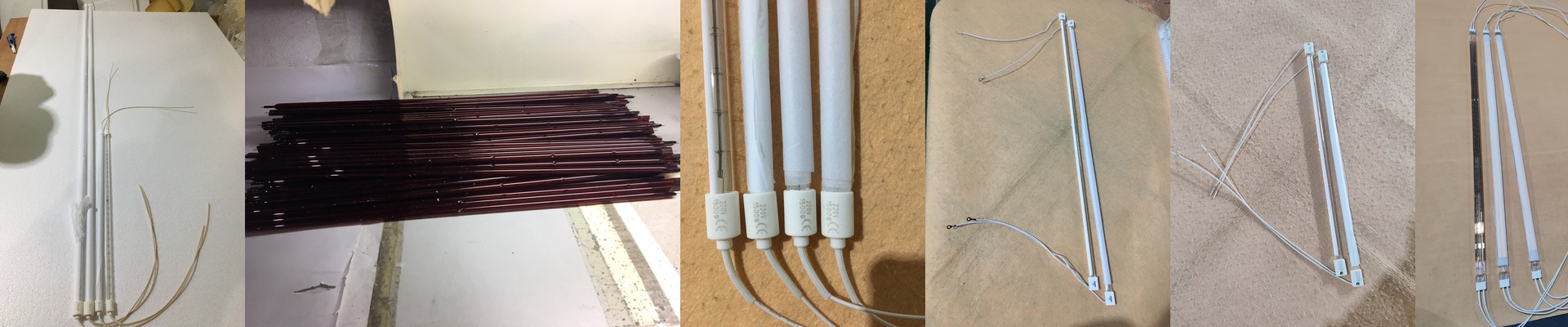
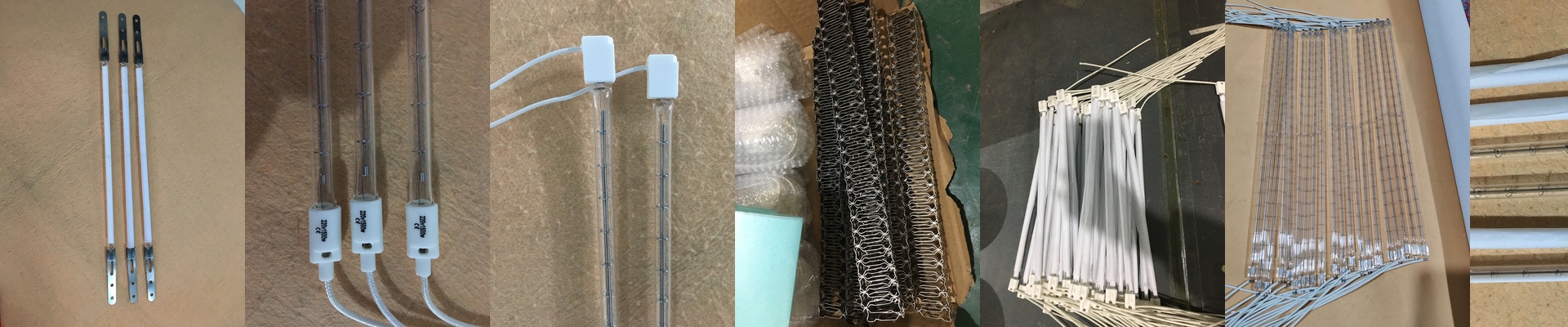
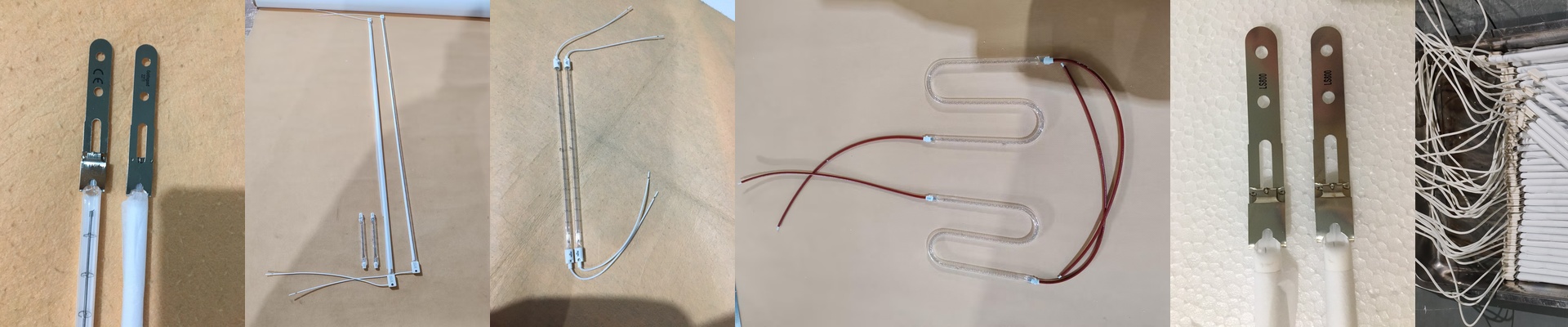
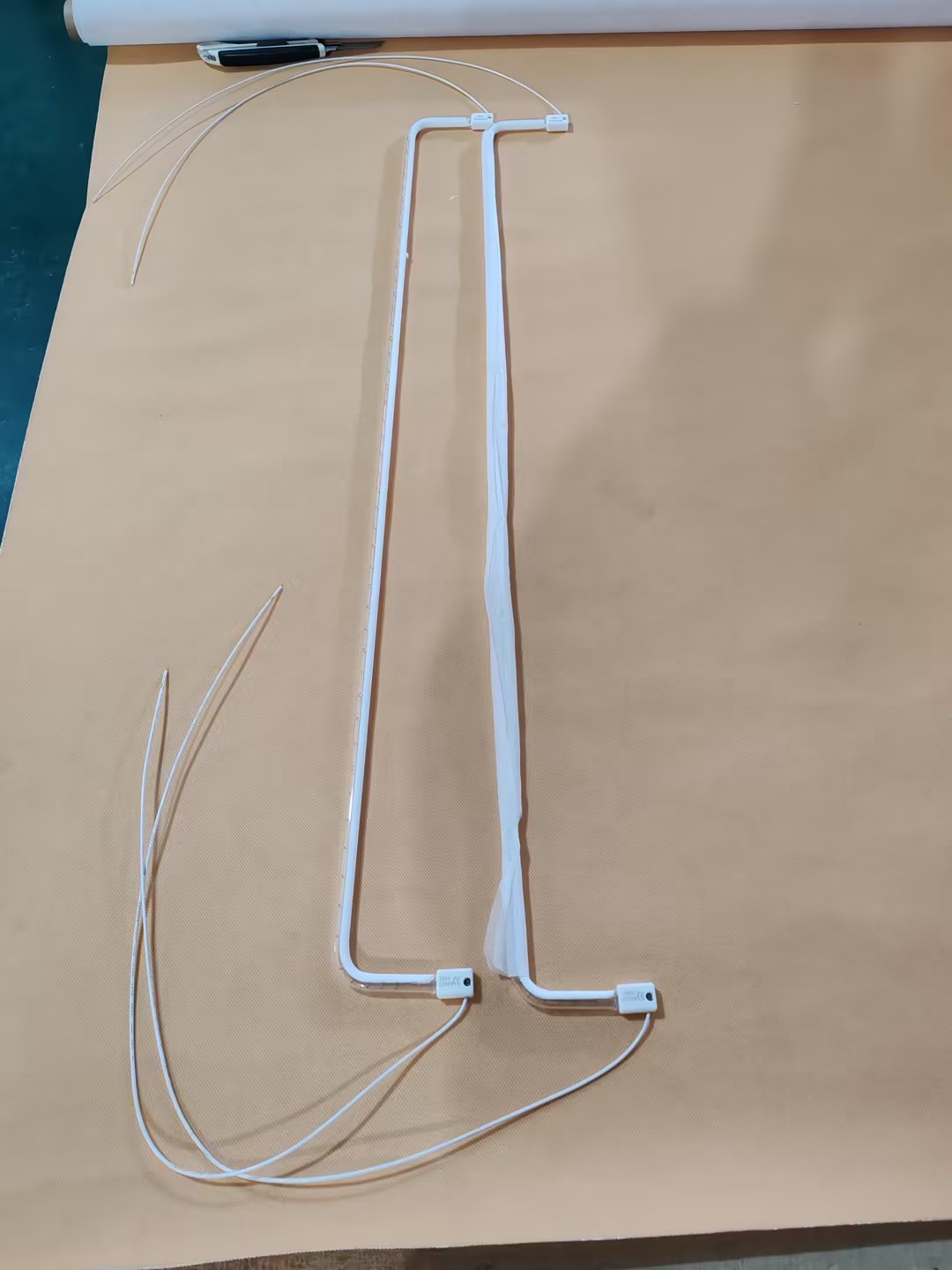
If you’re working with fabrics, you know the struggle. Whether you’re setting a pleat, drying out dyes, or curing a coating, you need heat—and you need it to be exact. That’s why we stick with halogen infrared lamps. They don’t just warm things up; they punch through synthetic fibers way faster than those old-school resistive heaters ever could. Let’s talk power. The wattage and voltage are basically what decide how much heat you’re packing into every millimeter of your line. Here is the trick: your voltage has to be a perfect match for your plant’s grid. If it’s off, your lamps are going to burn out way too soon. Now, you could go with high-wattage tubes to crank up your line speed and get more product out the door. But be careful. That extra speed puts a lot of stress on your electrical contacts. It’s a trade-off. The build quality We use high-purity quartz for these tubes. Why? Because they have to handle “thermal shock.” Basically, they get screaming hot and then cool down fast, over and over. Most of our lamps use R7s or SK15 connectors, so they just slide right into most industrial housings. No fuss. A tight fit is everything here. It stops the electricity from jumping (arcing) at the terminals. We even offer some specialized coatings that shift the infrared spectrum. It’s a clever bit of engineering that pushes the heat onto the fabric and keeps it off your machine frame. The real-world stuff Here’s the thing about high-output halogen tubes: they put out a massive amount of heat. You can’t just plug them in and forget about them. You need to make sure your cooling fans and vents are actually up to the task. If the housing can’t breathe, you’ll end up warping your reflectors or frying your wiring. And a pro tip? Check your connection points for oxidation every 500 hours. It keeps the temperature steady across the whole web. If your alignment is off, you’ll get hot spots—and nobody wants to see a scorched piece of fabric.