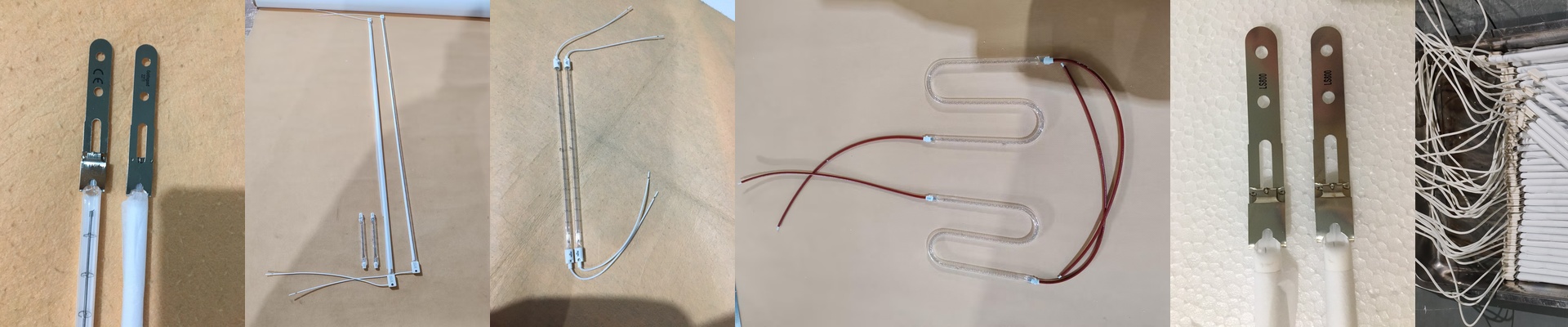
Let’s Talk About Ruby Halogen Lamps
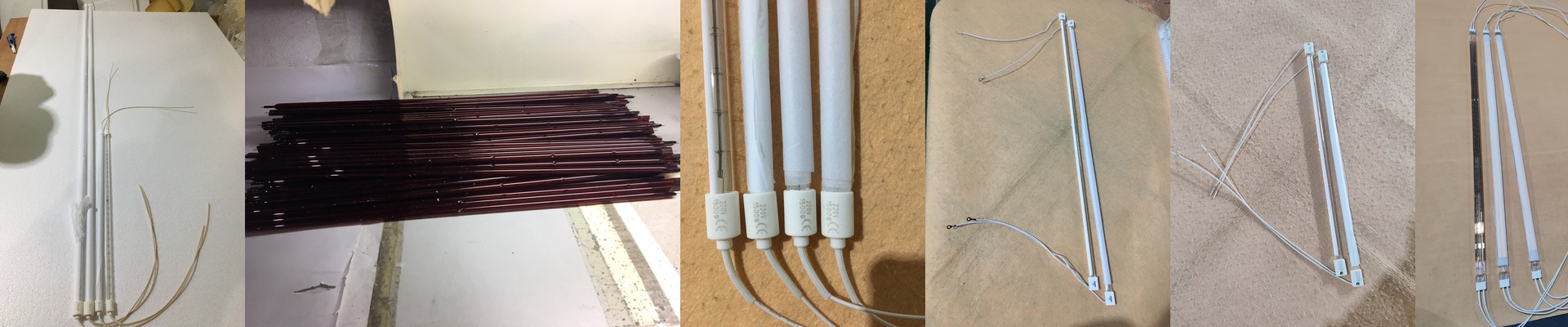
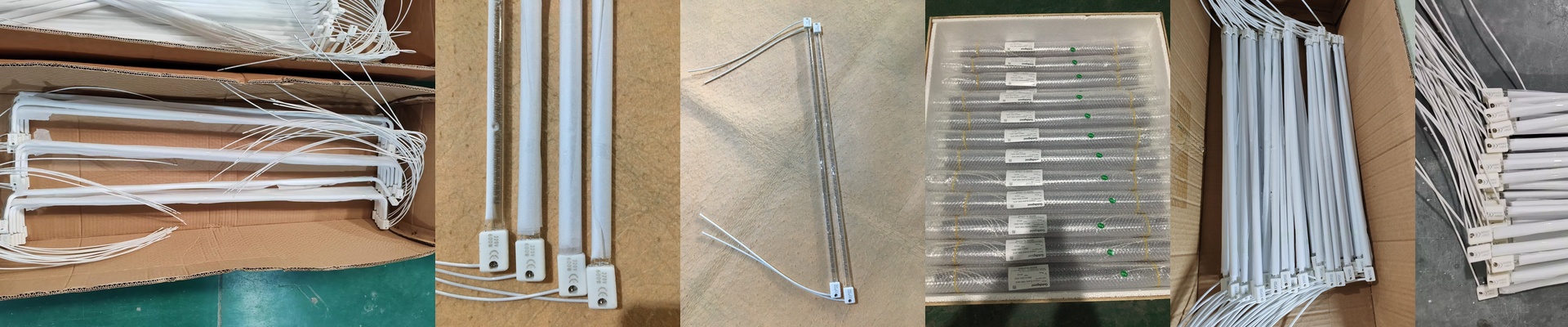
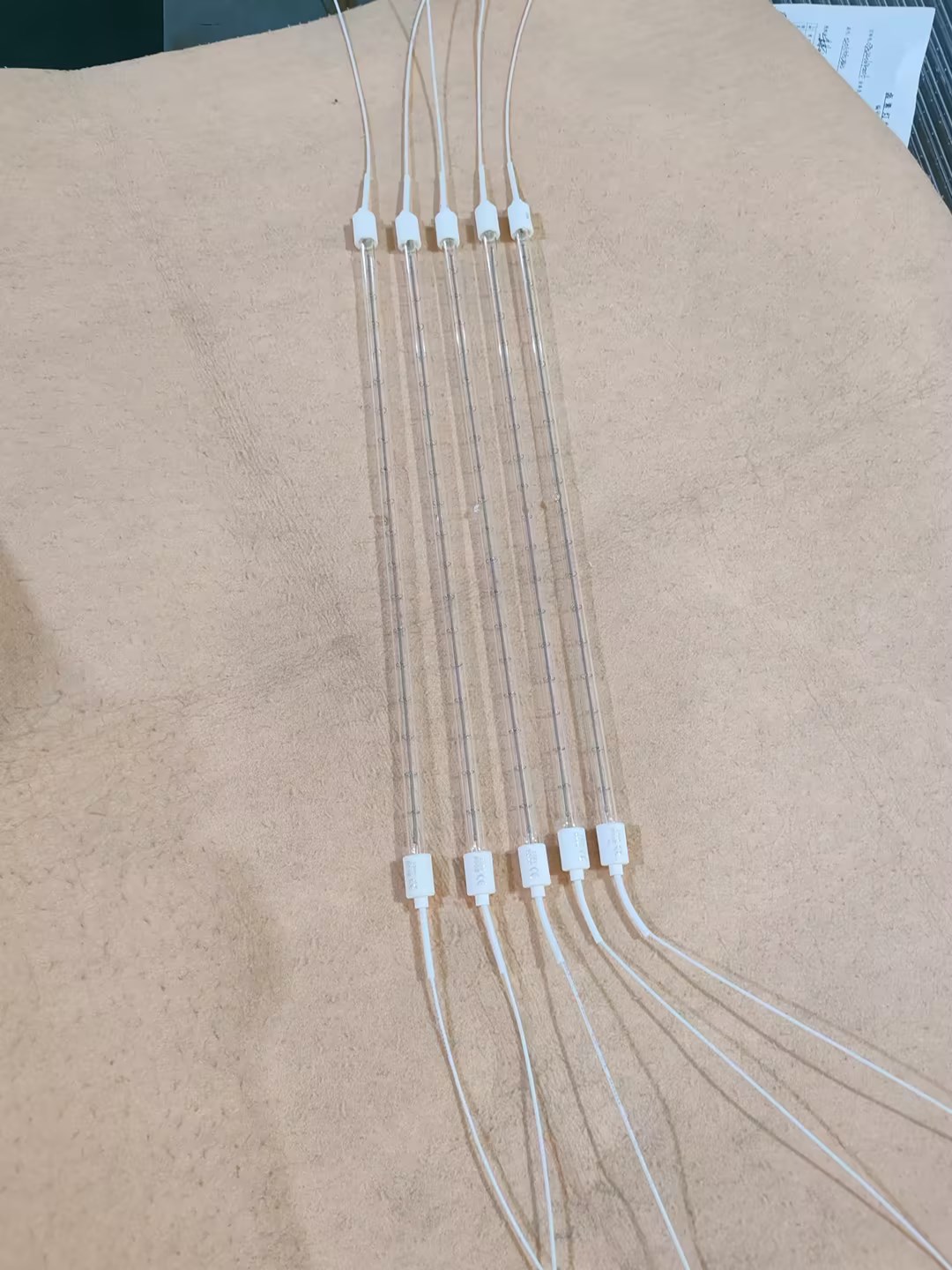
Ever wonder why some heating lamps have that distinct red glow? Those are ruby halogen lamps. They aren’t just for show. We use a special ruby-colored quartz coating to filter the light, which basically forces the heat to dive deeper into your materials much faster than a standard clear tube would.
Power and the “Oops” Factor
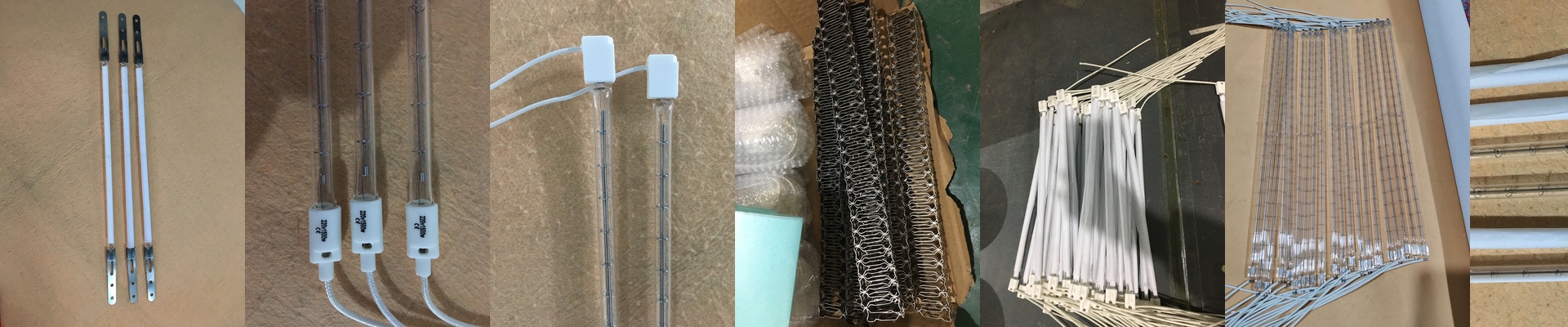
These things pull a lot of power. Depending on how your plant is wired, you’re probably looking at 230V or 400V. We tweak the filament length to fit your specific machine. The trick is that higher voltage lets us cram more wattage into a shorter tube without frying the leads. It’s how you get that instant, aggressive heat response. But here is a big warning:**check your transformer.**If you accidentally plug a 230V lamp into a 400V line, it’ll pop instantly. Not a fun way to start a shift.
The Nitty-Gritty on Glass and Plugs
That ruby layer is a thin film on the quartz. It’s there to make sure plastics and polymers actually soak up the heat instead of just reflecting it. To make your life easier, we use R7s or SK15 connectors, so you can just swap them into most industrial ovens without a headache. We use quartz because it can handle a wild temperature swing. You can go from ice-cold to screaming hot in a few seconds. One tip:**don’t touch the glass.**Seriously. If you leave a fingerprint or a smudge of oil on the quartz during install, it creates a hot spot. Once the lamp heats up, that spot becomes a weak point and the glass can crack.
Where They Actually Work (And the Catch)
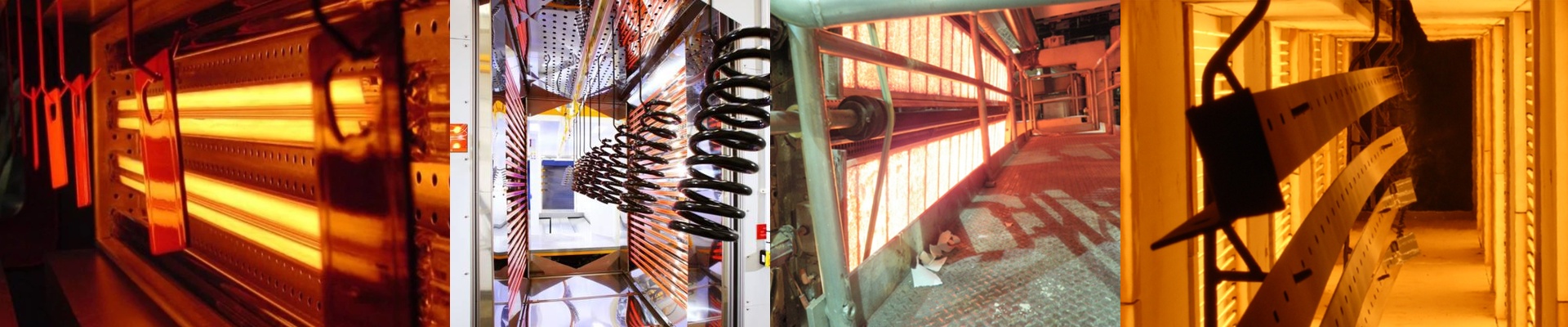
You’ll mostly see these in PET blowing or shrink-wrapping. The shortwave radiation is the secret sauce here—it hits the plastic and penetrates deep inside. This means you don’t end up with a scorched exterior while the middle is still cold. There is a trade-off, though. Because these lamps dump so much energy into one spot, your cooling fans have to be up to the task. If your airflow is weak, the heat just sits in the housing. Before you know it, your wiring insulation starts to degrade, and that’s a problem you don’t want.