Let’s Talk Halogen Heat Lamps: The Practical Side
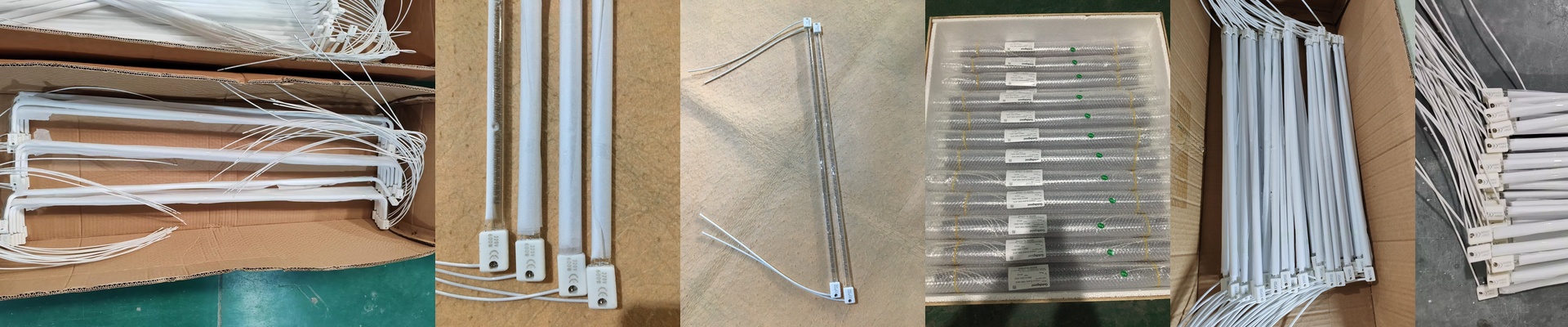
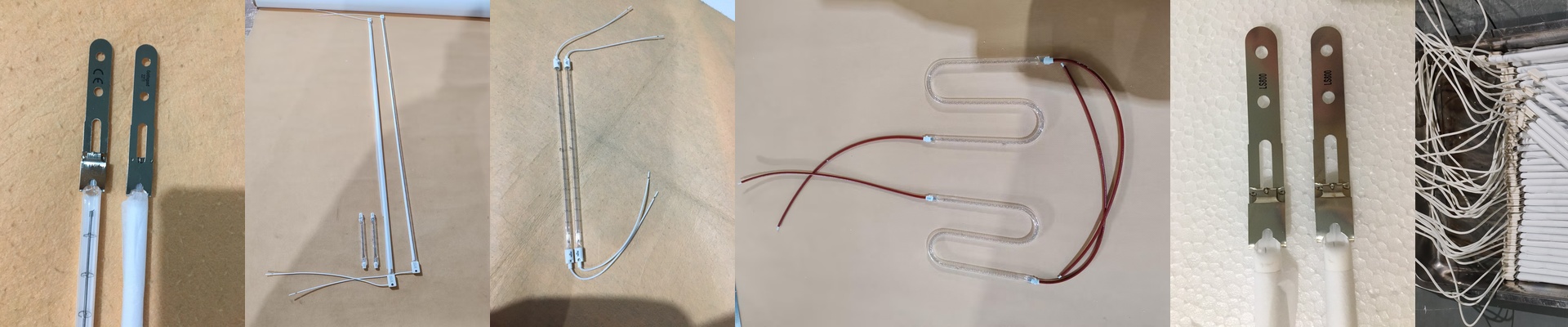
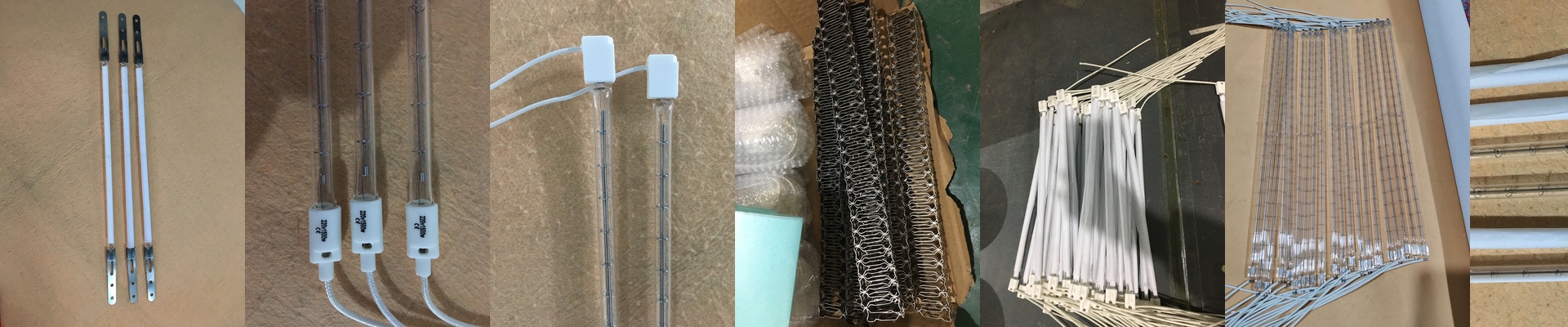
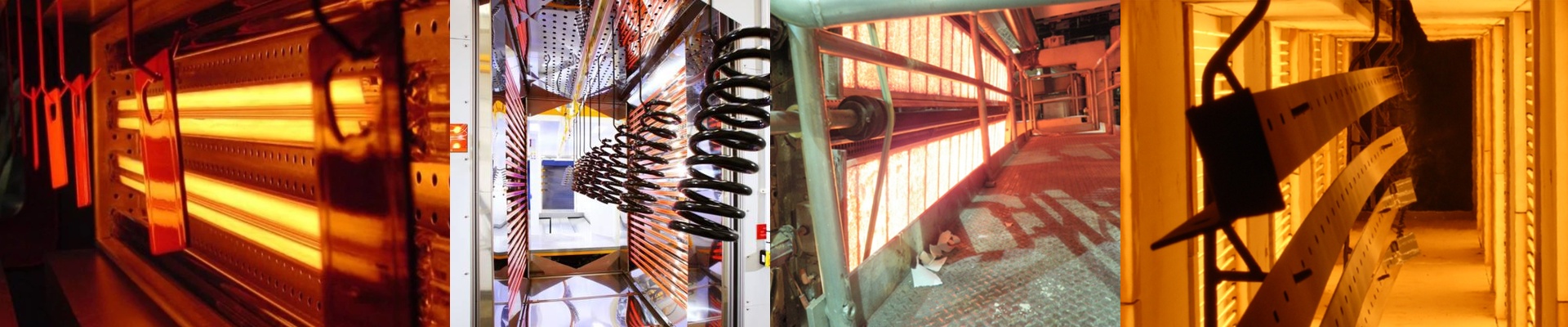
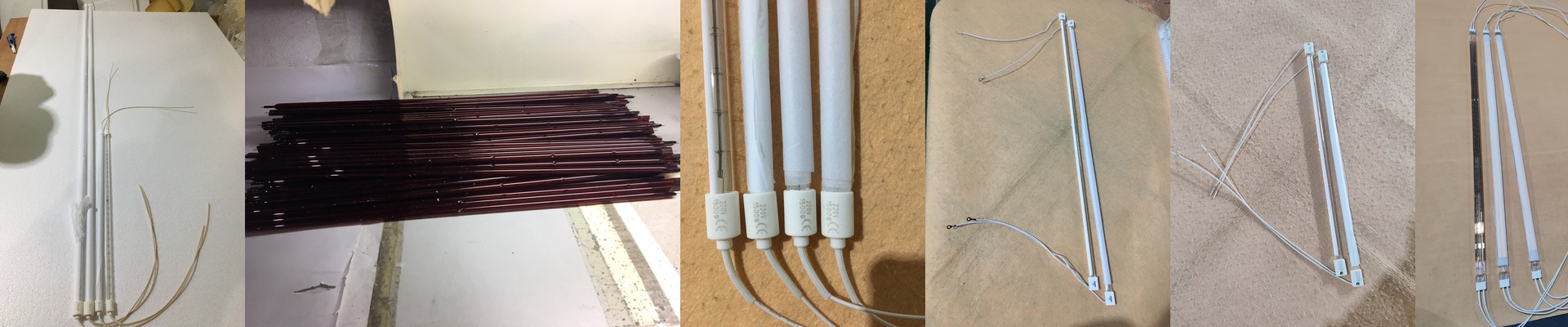
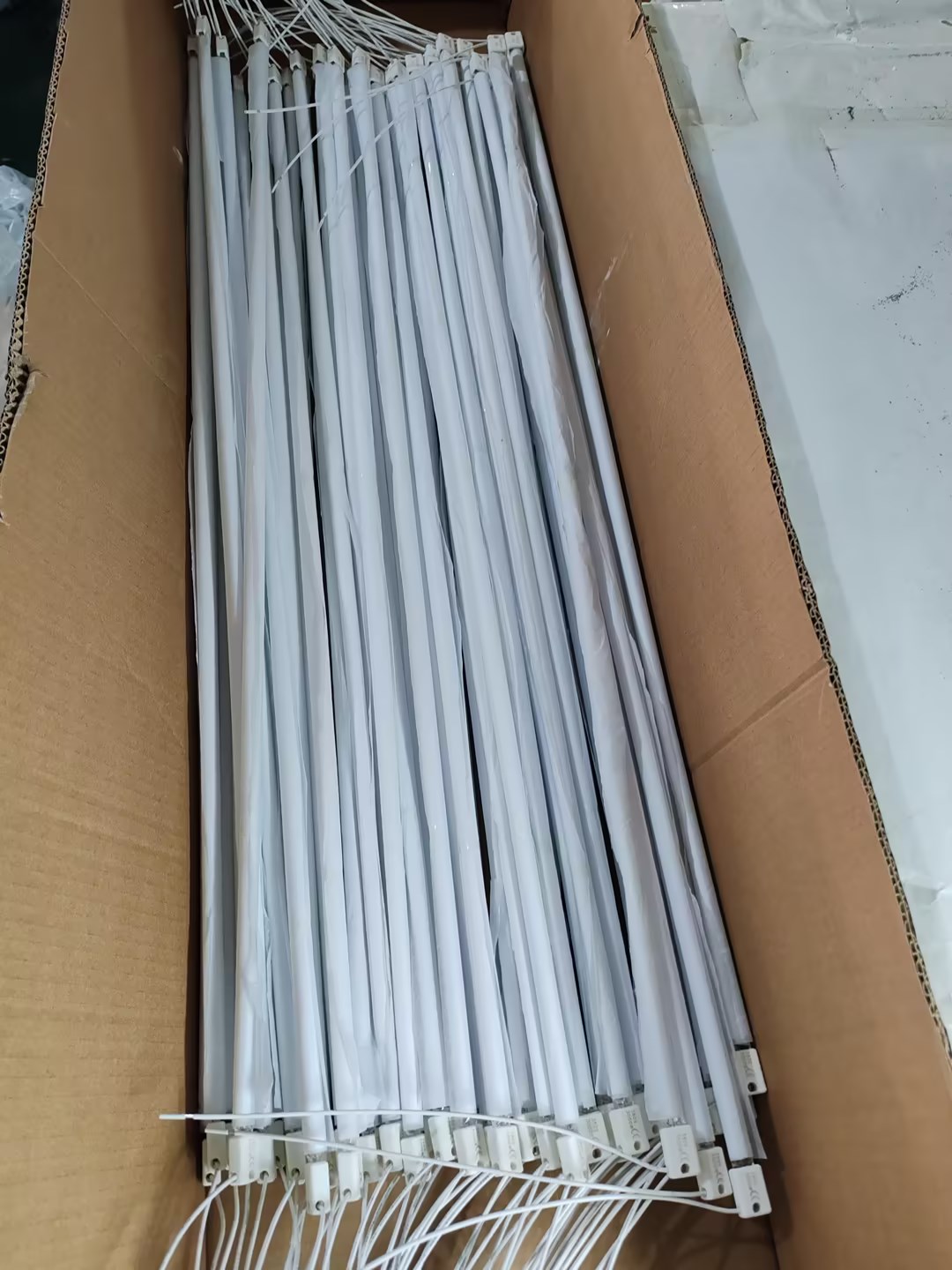
We build these lamps to do one thing: blast concentrated shortwave infrared energy exactly where you need it. Inside, there’s a tungsten filament wrapped in quartz and filled with a specific halogen gas mix. The magic here is in the chemistry. Because of that gas, the filament can run way hotter without just evaporating away. That means you get a massive jump in thermal output compared to your basic quartz lamps. Getting the Power Right When you’re picking a lamp, it’s all a balancing act between wattage, voltage, and how much space you have. If you cram high wattage into a short tube, you get an incredible amount of heat density. It’s fast. Really fast. And that’s exactly what you need when you’re running industrial cycles and can’t afford to wait around for things to warm up. Also, we make sure these are CE certified. In plain English? It means the insulation and electrical bits are actually safe. You won’t have to worry about leakage current or dielectric failure, which is a gamble you take when you buy those cheap, generic tubes. The Nitty-Gritty of Design We use hard-quartz glass because it doesn’t freak out when the temperature swings wildly—no thermal shock. Depending on what you’re working on, you might want a coated tube. Some reflect the heat back toward your part, while others filter out specific wavelengths. Then there are the connections, like R7s or SK15. Make sure they’re snug. A loose fit at the terminal leads to arcing, and that’s a one-way ticket to a burnt-out socket and a dead lamp. Real-World Use (and the Trade-offs) If you’re doing PET blowing or curing plastics, these are your best friends. They hit the target temp in seconds. But here’s the thing: all that heat comes with a catch. That quartz envelope gets scorching. Give your housing some breathing room. If you squeeze these into a tight spot without airflow, you’re basically cooking your own wiring and killing the lamp’s lifespan. Plus, take a second to check your reflector alignment. You don’t want any weird hotspots forming on the tube surface.