Why Most Industrial IR Lamps Fail in Textile Shops (And How We Fixed It)
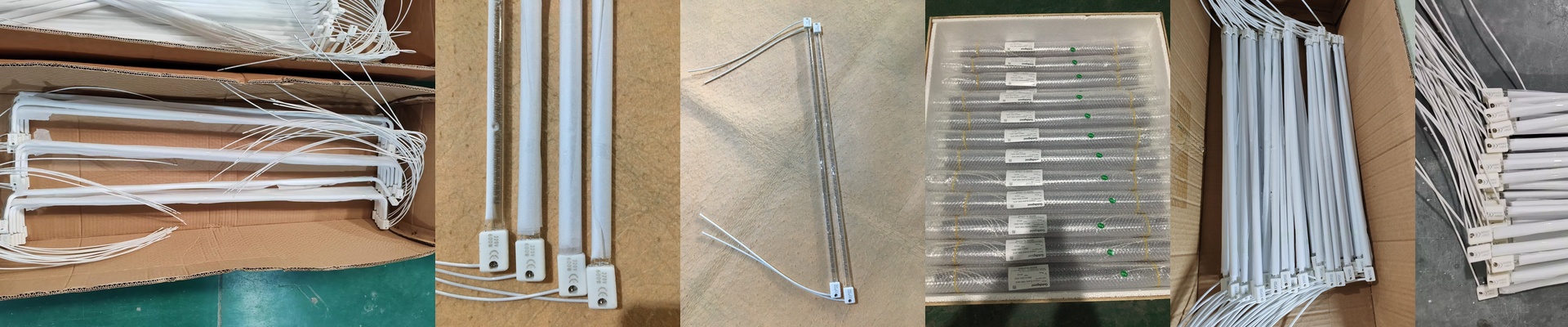
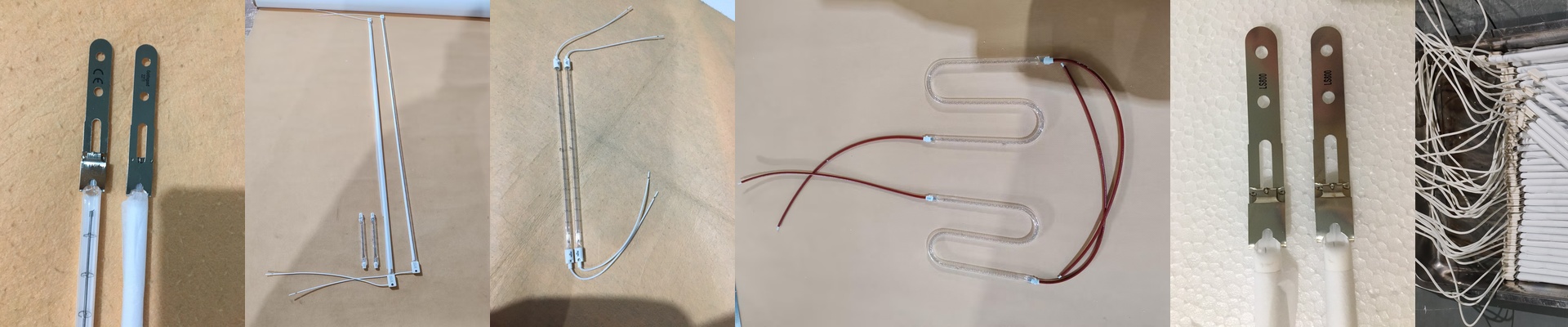
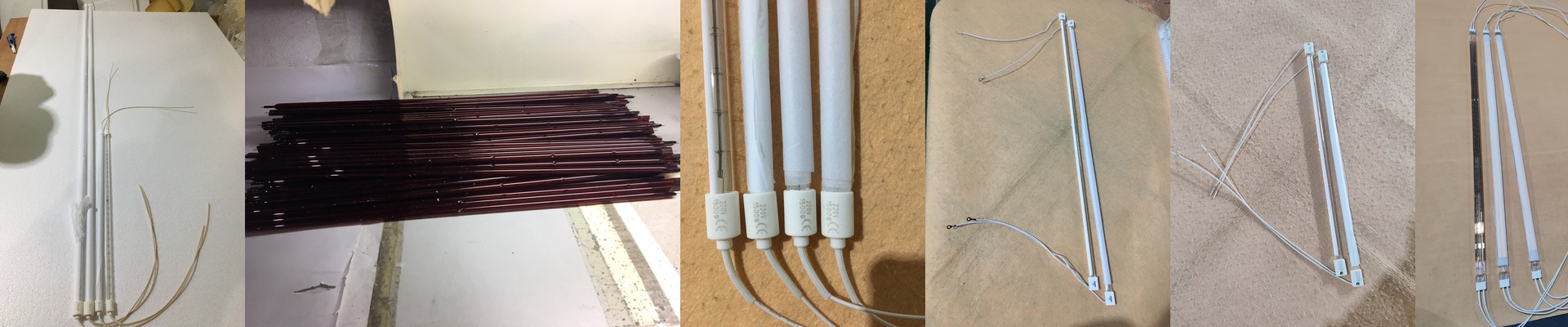
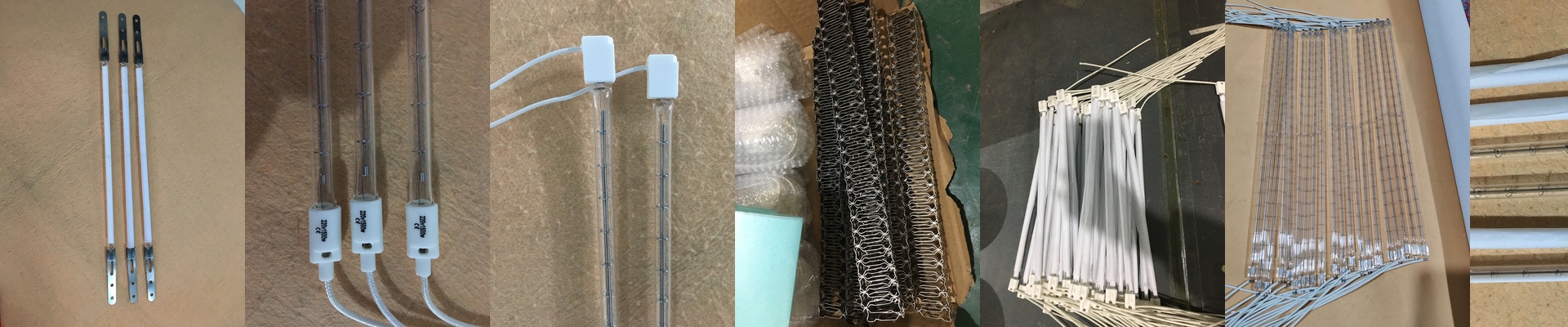
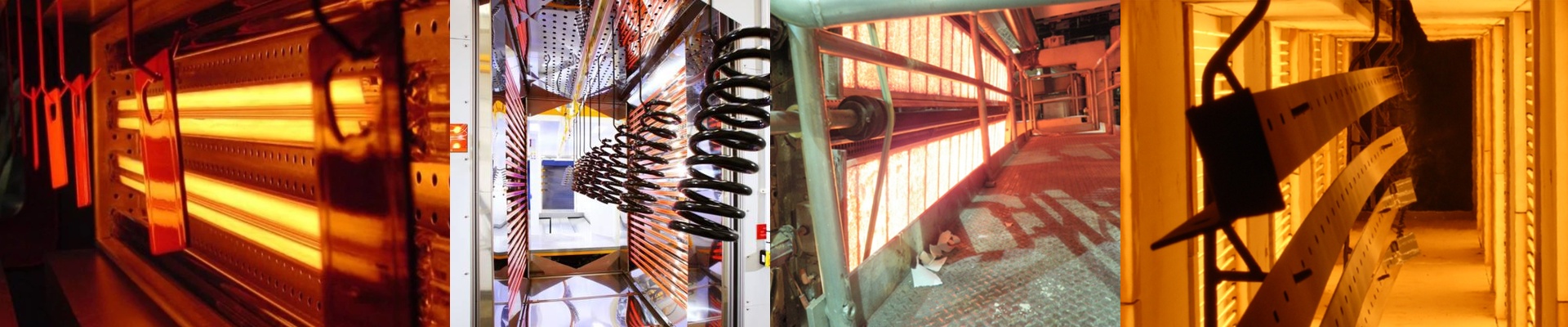
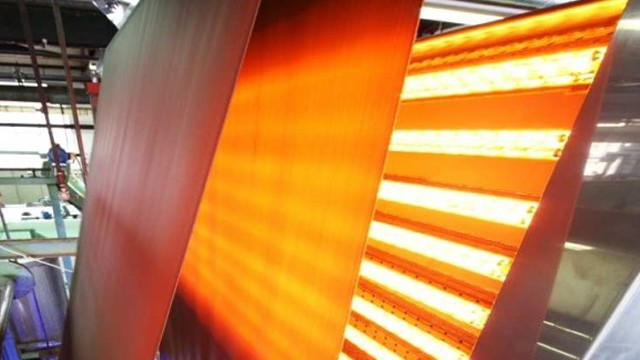
We spent some time visiting about 2,000 printing and dyeing workshops. We wanted to see why standard infrared lamps keep dying on the job. Turns out, these lamps aren’t just heating up fabric. They’re fighting a war against humidity, chemical fumes, and constant shaking. Most off-the-shelf lamps just aren’t built for the actual chaos of a textile line. They burn out way too fast because they weren’t designed for the real world. The heat balance Drying fabric is a tricky game. You need the water to vanish instantly, but you can’t scorch the fibers. We look closely at the ratio of wattage to tube length. If you cram too much power into a short tube, you get a heat density that’ll melt synthetic blends the second your belt slows down. Plus, if your voltage isn’t perfectly matched to your plant’s grid, you’ll end up with those annoying dry patches across the fabric. Tougher glass, better reach We use heavy-wall quartz. Why? Because industrial cleaners are brutal, and standard glass just cracks when you cycle the heat on and off quickly. For some dyeing jobs, we add special coatings. This helps the heat actually soak into the core of the fabric instead of just searing the surface. Then there are the connectors. This is where most things go wrong. We stick with reinforced R7s or Sk15 bases. Cheap connectors oxidize in humid dye houses. Once that happens, you get high-resistance joints that literally melt the plastic housing. It’s a mess. Finding the sweet spot Fitting a lamp into a machine is all about trade-offs. A high-output shortwave lamp is fast. Really fast. But it puts a massive strain on your power supply. If you crank the wattage to speed up production, you’ve got to beef up your cooling fans, or your reflectors will start to warp. We make ours as drop-in replacements. That way, when it’s time for a teardown, you can just swap them out without having to rewire your entire rack.