Getting Your Textile IR Heating Right
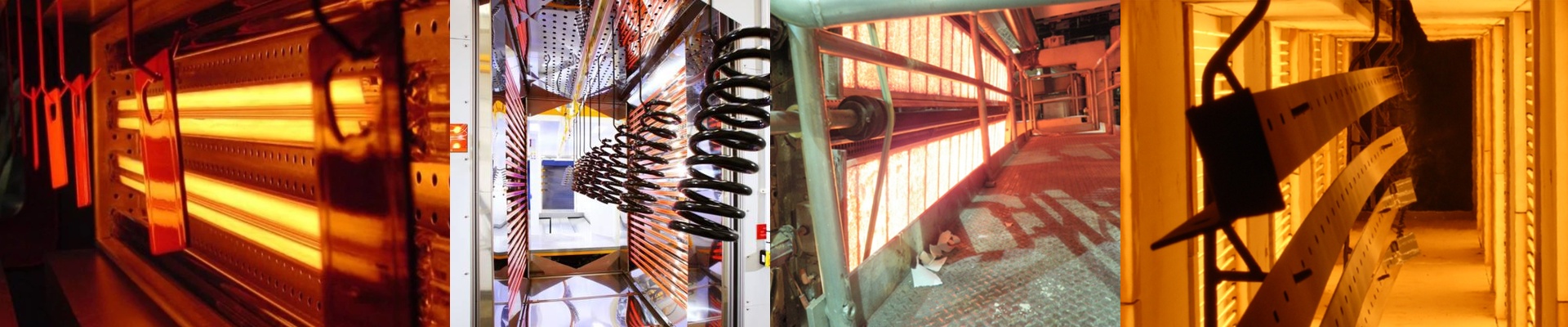
Look, we don’t just box up parts and ship them. That’s not how this works. We’re here to help you figure out the actual thermal setup you need so your textile lines stop hitting those annoying bottlenecks. The trick is finding that sweet spot between wavelength and heat density. You want to set the fabric perfectly, but you definitely don’t want to scorch the surface.
The Deal with Voltage and Power
When you start stepping up to the heavy hitters—the 2000W to 3000W tubes—voltage is what really matters. We lean toward 400V systems. Why? Because it lets us keep the heat high while keeping the current low. If you try to do that with a 230V setup, you’re putting a lot more stress on your wiring, and your connectors can start to overheat. If you’re pushing for faster line speeds, you need that density. Just a heads-up, though: high-density tubes are tough on reflectors. Make it a habit to check your alignment every few months. If you don’t, you’ll end up with hot spots that ruin your material.
The Nitty-Gritty: Materials and Plugs
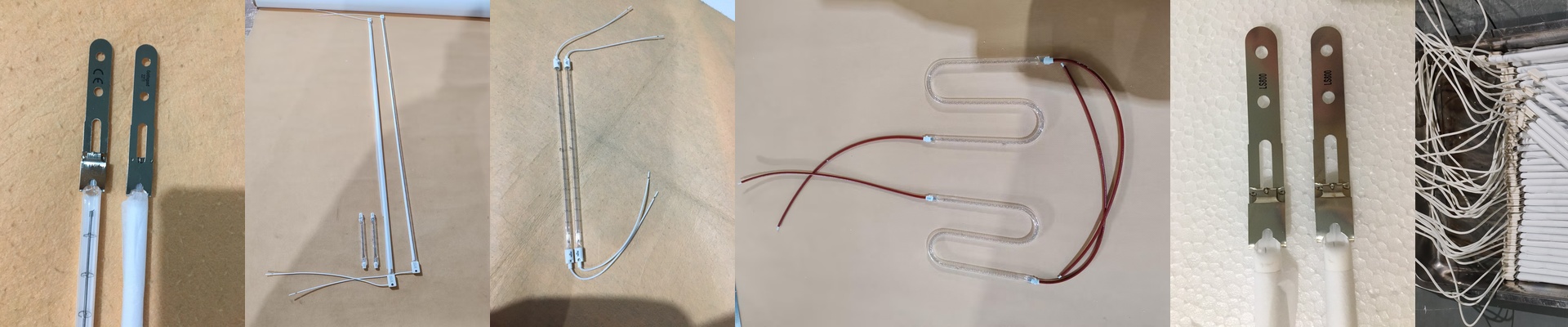
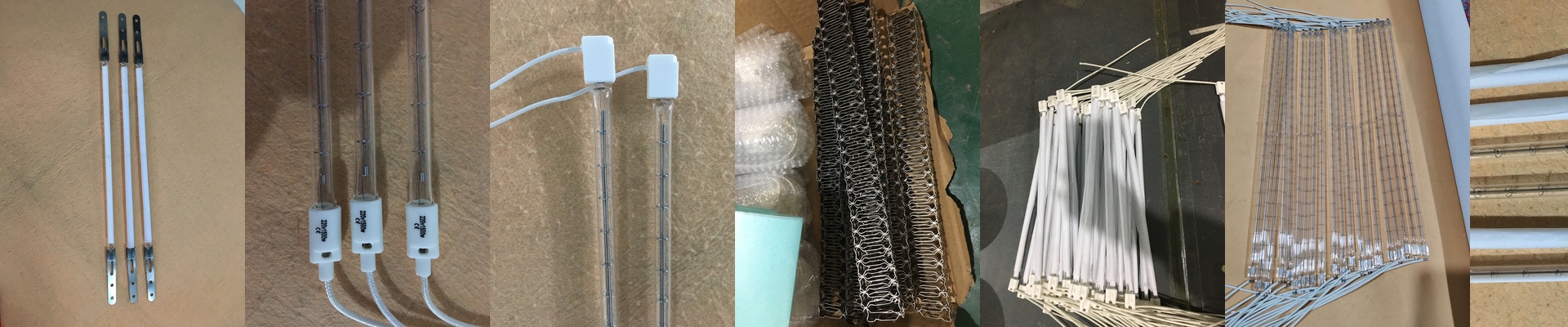
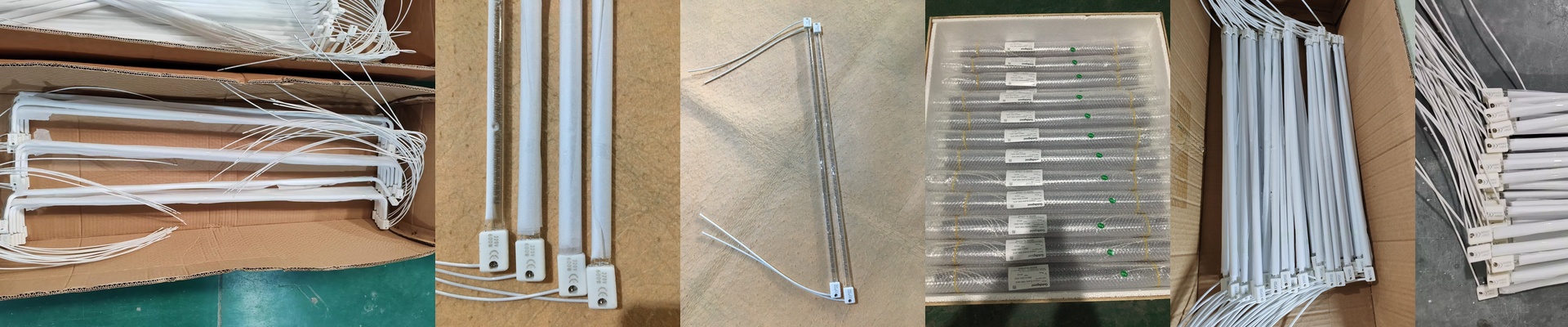
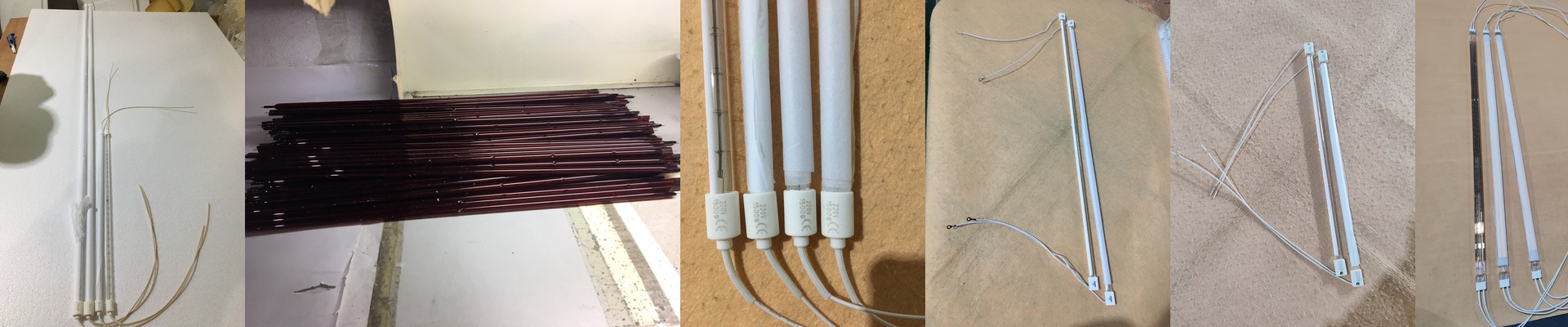
We use quartz glass filled with halogen gas. It’s the only way to push the temperature higher without the filament just giving up and burning out. For some jobs, we add special coatings to shift the heat from short-wave to medium-wave. It makes a huge difference. Instead of the heat just bouncing off the surface, it actually sinks into the fiber. As for the plugs, we stick with R7s and Sk15 connectors. They’re standard, so they’ll slide right into most European and Asian looms. They snap in tight, which is exactly what you want. A loose connection is the fastest way to spark a socket and kill a brand-new lamp.
Making it Work in the Real World
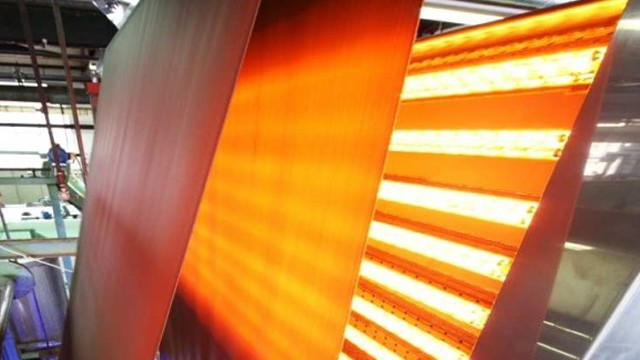
Matching the lamp length to your machine is the easy part. The real challenge is the thermal mapping. A short-wave halogen lamp hits the target instantly. It’s incredibly fast, which is great for curing. But it’s also aggressive. If you’re working with thin fabrics or synthetic blends, you might actually melt the material. To stop that from happening, we suggest using PID controllers. They let you dial in the power exactly. You get all that speed, but your fabric stays intact.