Stop Your IR Lamps From Cracking: The Battle Against Steam
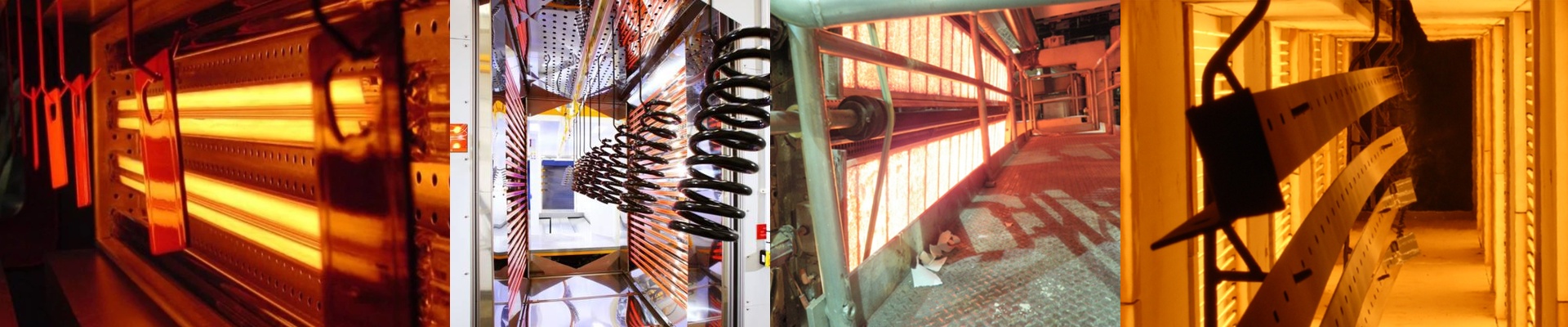
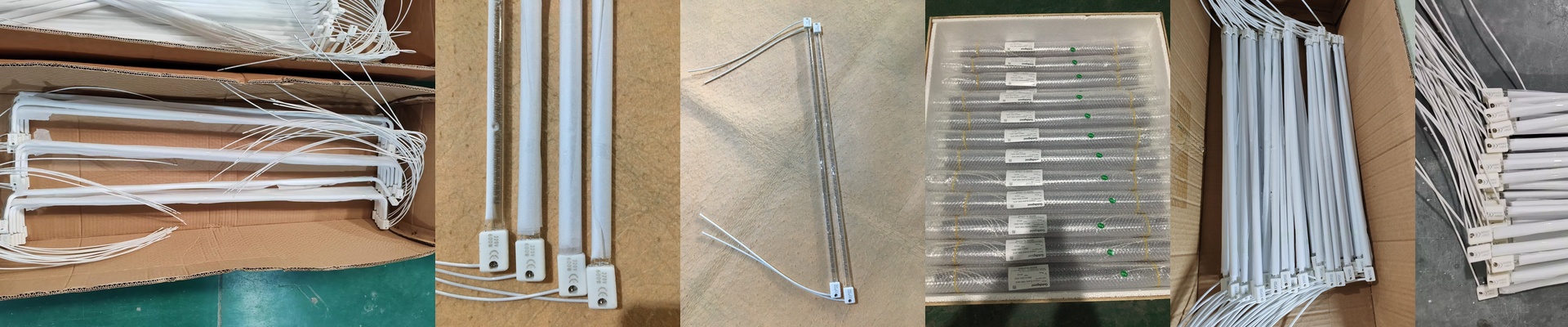
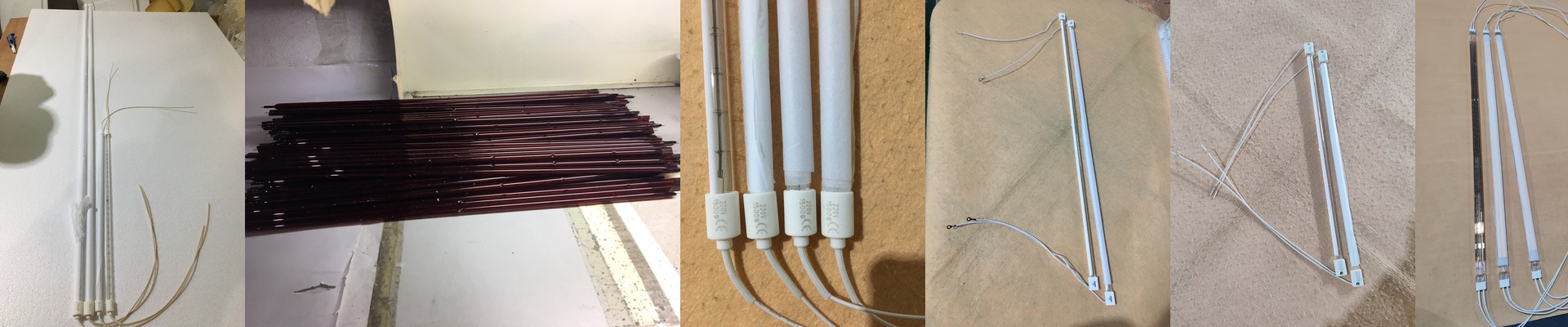
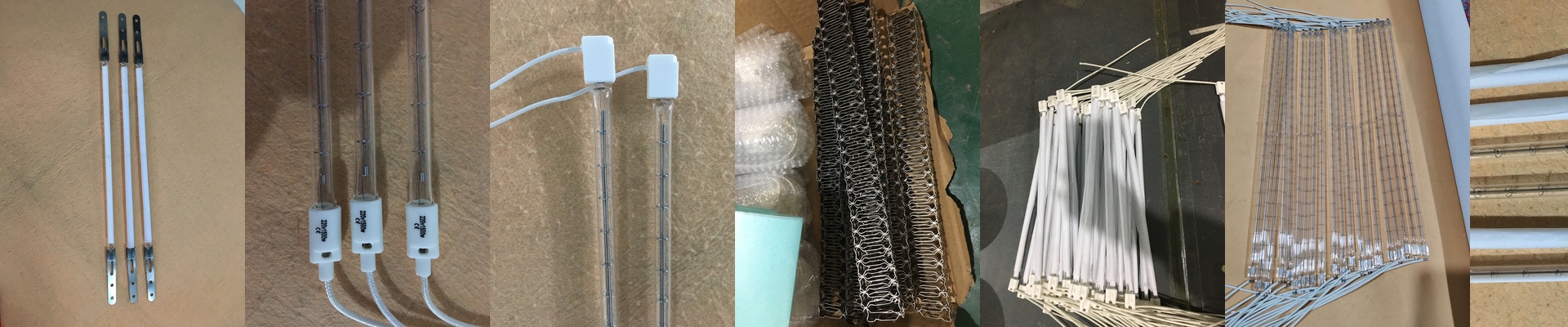
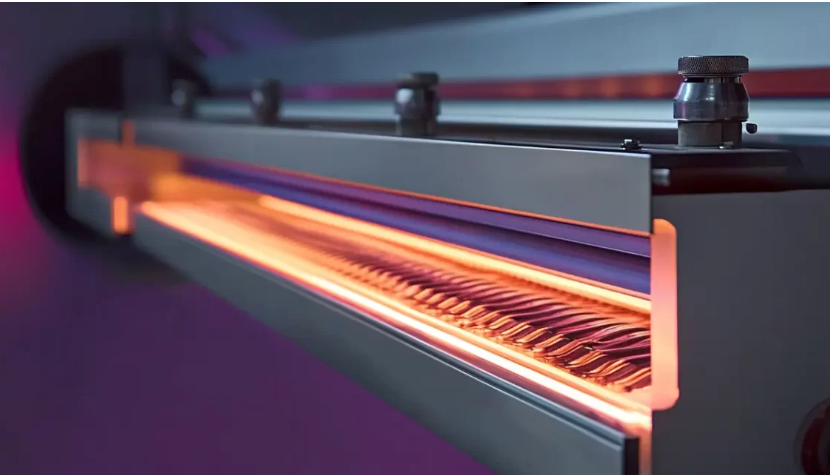
If you’ve ever run a textile drying line, you know it’s a brutal place for equipment. You’ve got fabric pumping through, water evaporating everywhere, and a thick cloud of steam just hanging around your heating elements. Here’s the problem: that steam loves to settle on the quartz glass. Once it condenses, you get these uneven “cold spots” on a scorching hot lamp. It’s a recipe for disaster. One minute everything is fine, and the next, the glass cracks or the electrodes just give up. It’s frustrating, expensive, and it happens way too often. Why this actually happens It comes down to thermal shock. When water hits that hot lamp, it doesn’t just sit there—it creates a chaotic thermal barrier. Some parts of the tube are screaming hot while others are being chilled by the liquid. This tug-of-war eventually snaps the glass. We see it most with high-output modules because the temperature difference between the filament and the steam is just too extreme. A better way to build it We decided to stop fighting the steam and start managing it. Instead of leaving the lamps naked and exposed, we put them in a specialized housing designed to handle the mess. The goal is simple: keep the water vapor from ever reaching the “dew point” on the glass surface. By controlling the airflow around the quartz, we basically create a shield. We also switched to a higher grade of quartz that can handle rapid heating and cooling without flinching. Plus, the housing is shaped to channel steam away from the electrical connections. No one wants a short circuit in the middle of a shift. A few things to keep in mind Now, this isn’t a magic wand. The housing does take up a bit more space than a bare lamp. Also, you’ve got to make sure your exhaust fans are actually doing their job. If you aren’t pulling the steam out of the machine, this housing only buys you some time—it won’t save the rest of your gear from getting soaked. One last tip: plug these into a stable power supply. Those initial warm-up spikes can be hard on the filaments, and a steady flow of power keeps everything running smooth.