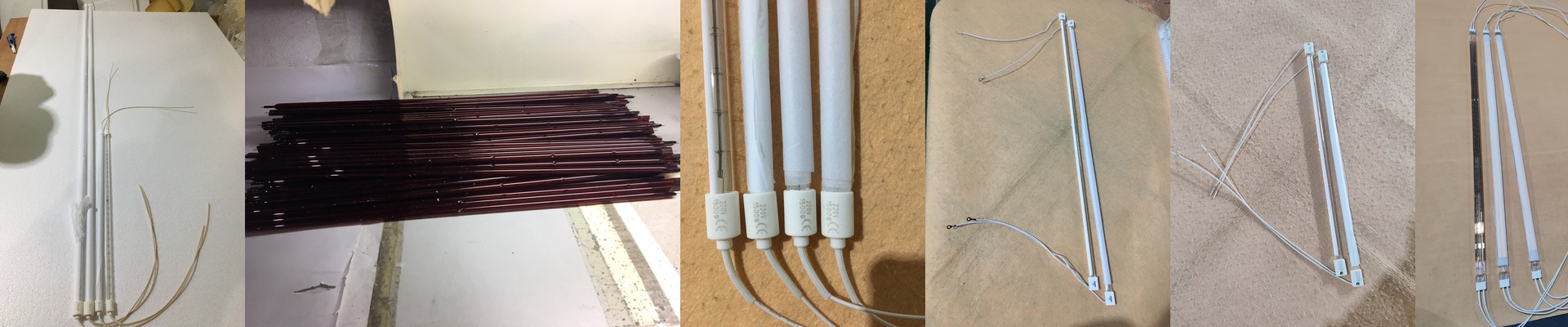
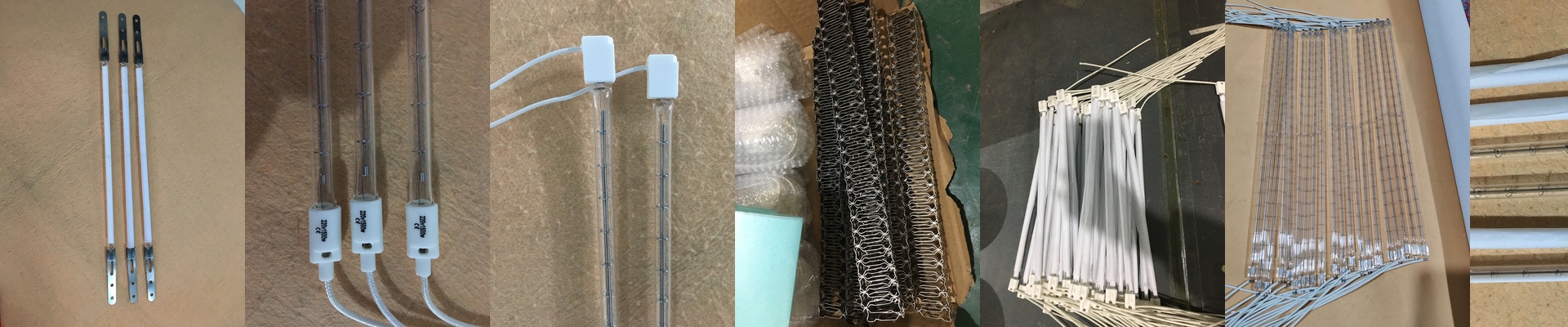
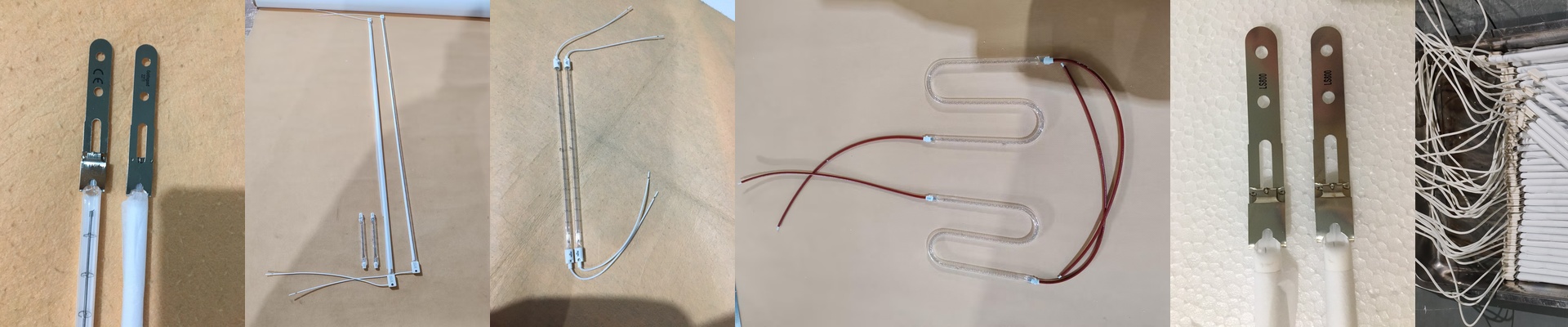
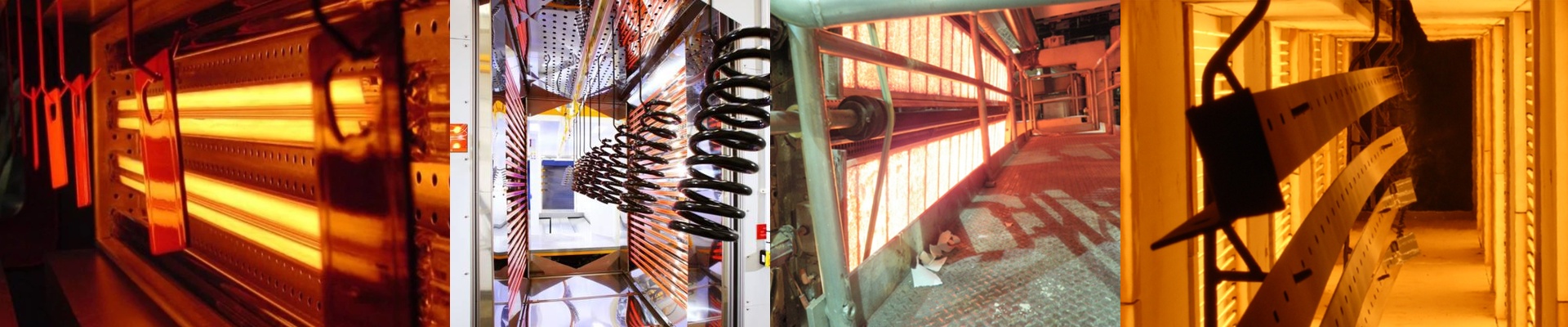
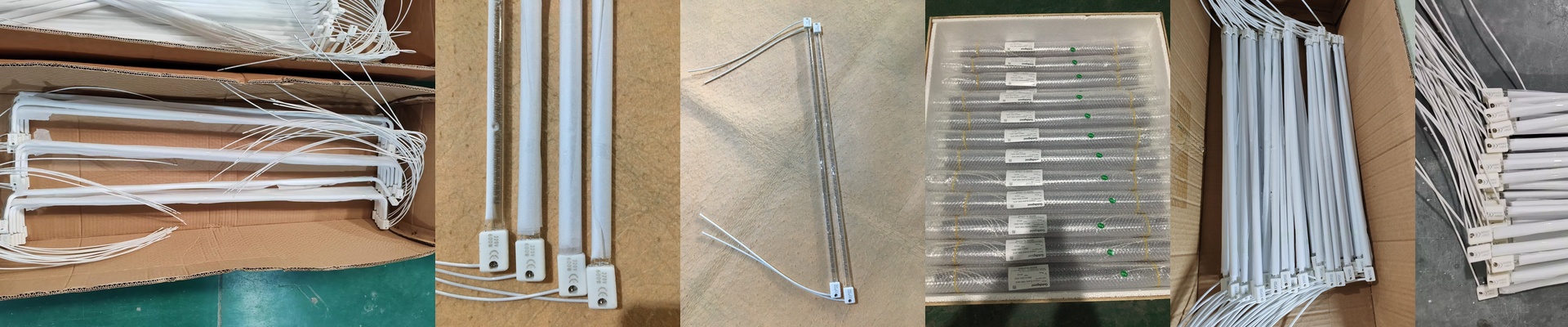
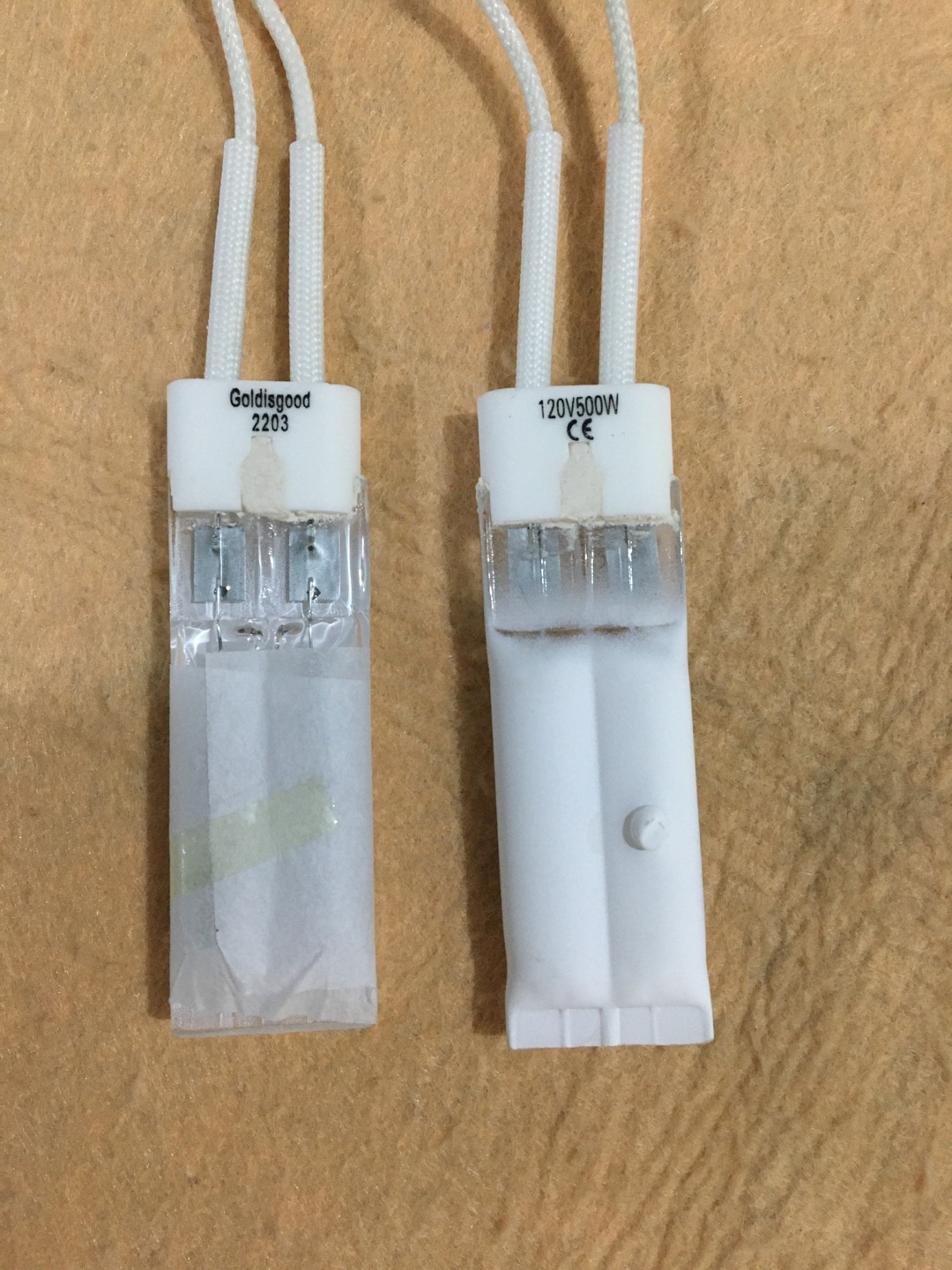
Let’s talk about our 220V 500W Halogen Heat Lamps
If you need heat—and you need it now—these are the lamps for you. We built these for the kind of jobs where you can’t afford to sit around waiting for a heater to warm up. Here is how they actually work. Inside that quartz tube, there’s a tungsten filament and some halogen gas. The gas does something pretty clever: it pushes tungsten deposits back onto the filament. That keeps the glass from turning black and keeps the lamp running longer. The power side of things At 500W and 220V, these things hit hard. They use shortwave IR, which is a fancy way of saying the heat goes straight into your material. It doesn’t waste time heating up the air in the room first. It’s fast. Really fast. If your production cycle is tight, this is exactly what you want. A quick warning on the glass We use quartz because it can handle the wild temperature swings at the tips of the filament. We also kept the connectors standard, so you can just pop these into your existing industrial rigs without any headache. But here’s the thing:be careful with your hands. Quartz is fragile. If you touch the glass with your bare fingers, the oils from your skin create “hot spots.” When the lamp heats up, those spots cause the glass to crack. Wear gloves. Always. Where these actually fit in You’ll usually see these in PET blowing, plastic welding, or drying lines. They have the “punch” needed to soften polymers in a matter of seconds. Just keep an eye on your reflectors. If they get dusty, your efficiency tanks and your lamps might burn out way too early. If you’re working in a dusty shop, you’ll want a solid cleaning schedule or some shielding to keep the heat focused right where it belongs.