Making Alloy Wheel Curing Actually Smart
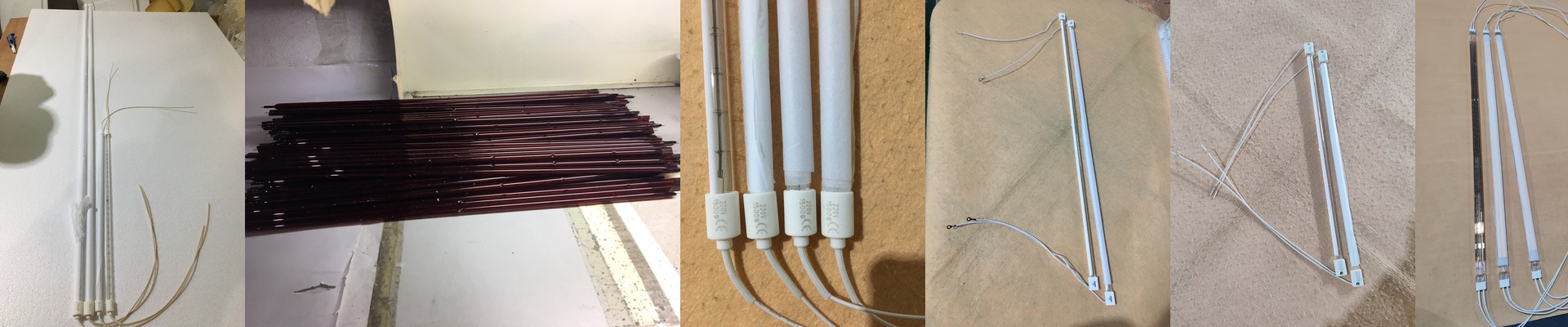
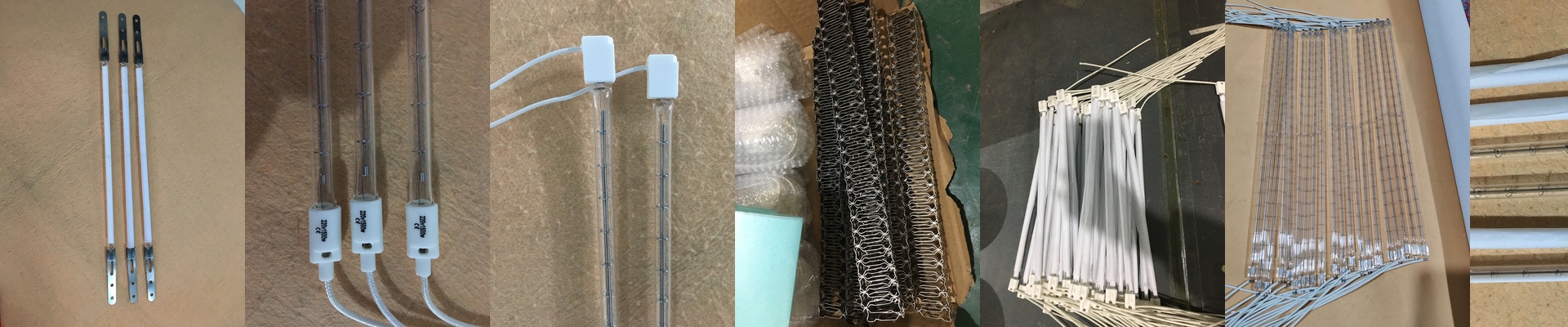
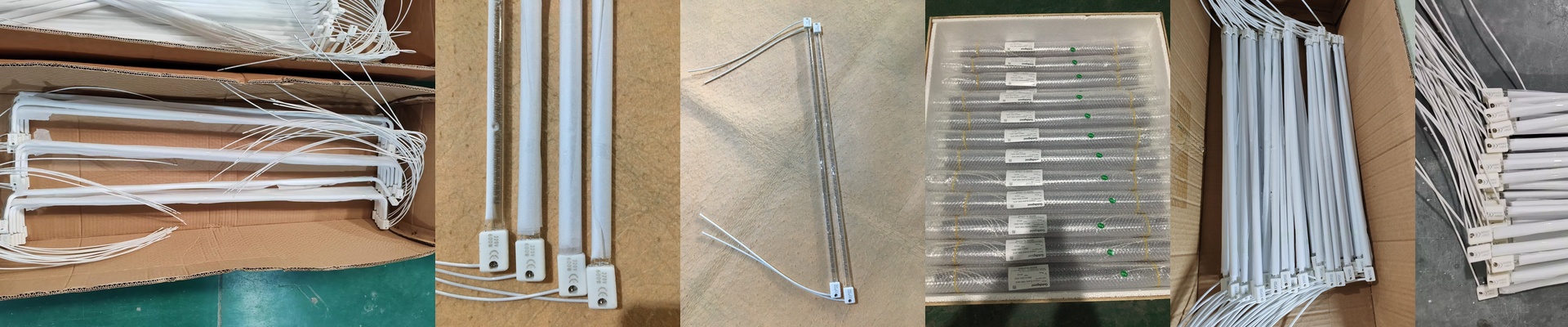
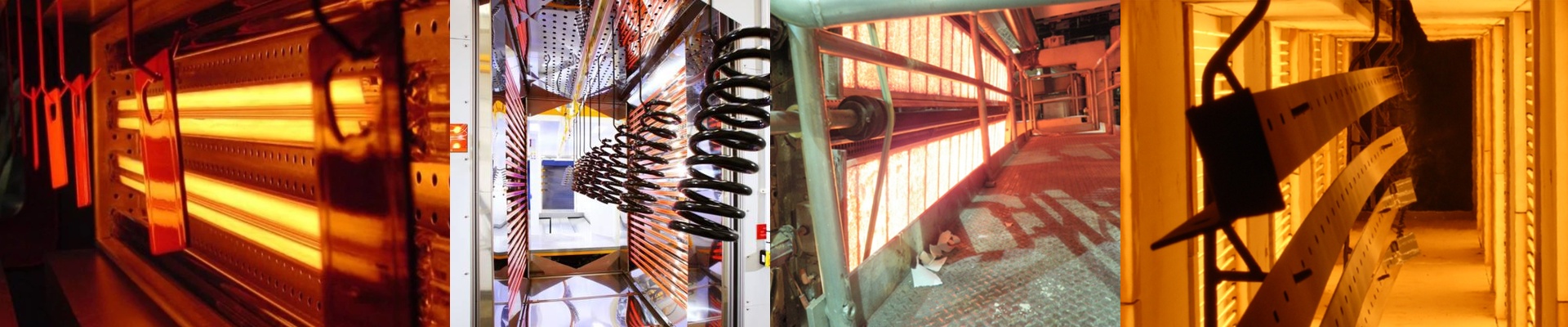
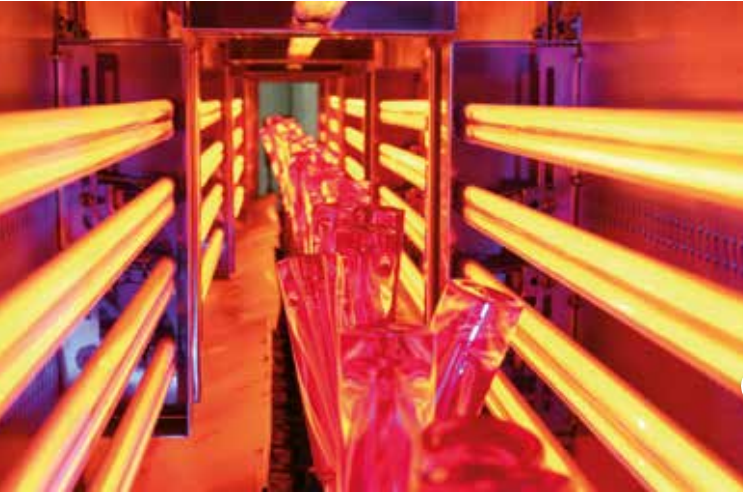
Most of us are used to the old way of doing things: you’ve got your infrared (IR) lamps, you set a timer, you cross your fingers, and you hope for the best. It’s a passive process. You’re basically just heating things up and hoping the timing is right. But things are changing. We’re moving toward “intelligent” tubes that actually talk back to us. The struggle with wheel shapes If you’ve ever worked with alloy wheels, you know they’re a pain. The shapes are complex. You’ve got spokes, deep rims, and tight edges. Heat doesn’t just hit everything evenly. That’s why shortwave IR is the go-to. It punches through the coating fast without cooking the metal underneath. You need that raw power to get the solvents flashing off before the final bake, or you’re looking at a mess. Stop guessing, start knowing Right now, most production lines are flying blind. You set a temperature on a controller and just… trust it. But lamps degrade. They lose their punch. The next few years are going to be different. We’re starting to see sensors built right into the lamp housing. Imagine knowing your exact wattage and thermal profile in real-time. If a tube drops by 10%, the system pings you. No more guessing if it’s time to swap a lamp or waiting for a batch of wheels to come out wrong before you realize there’s a problem. You replace them because the data tells you to, not because the calendar says so. It’s not as easy as it sounds Now, here’s the catch. Putting electronics inside a curing oven is a nightmare. It’s a brutal environment. You can’t just toss a cheap Wi-Fi chip onto a 400V line and call it a day. The sensors would fry in minutes. Everything has to be ruggedized for extreme heat. Plus, you’ve got to deal with shielded cabling, otherwise, the high-voltage power supplies will create enough electrical noise to drown out your data. What this actually means for the shop At the end of the day, this is about peace of mind. When your lamps can tell you they’re underperforming, your scrap rate drops. You stop seeing under-cured powder or paint that doesn’t quite set. Your heating zone stops being a “black box” and starts being a tool you can actually control.