Stop Treating Your IR Lamps Like Space Heaters
Most people look at infrared lamps and just see a way to get things hot. But if that’s how you’re approaching metal coating, you’re probably dealing with patchy curing and a power bill that makes you wince. The secret isn’t just “more heat.” It’s about hitting the metal with the exact wavelength and intensity needed to lock in that chemical bond without torching the surface.
Why Shortwave Actually Works
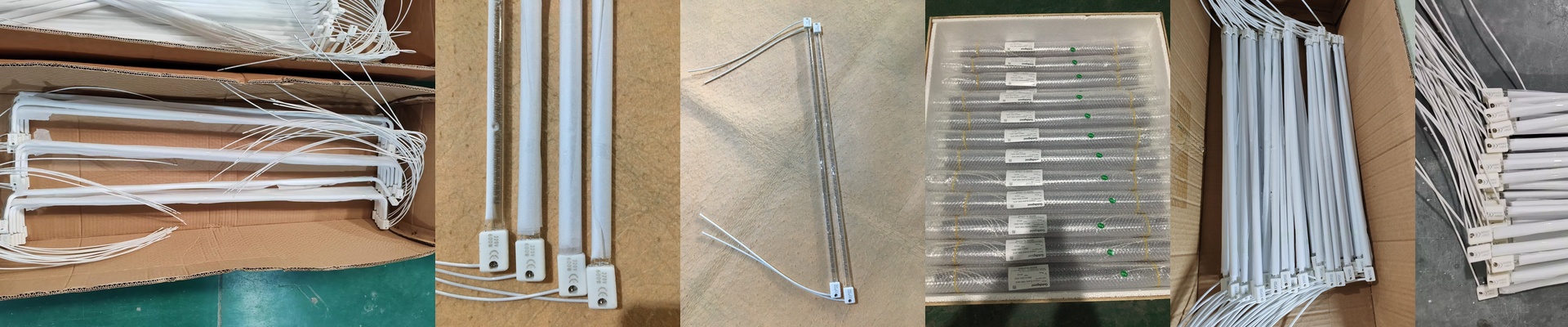
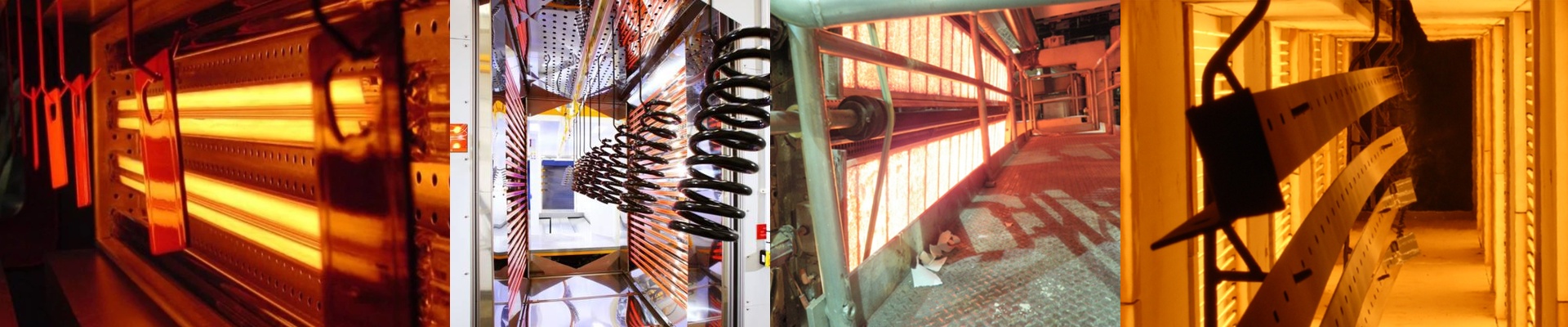
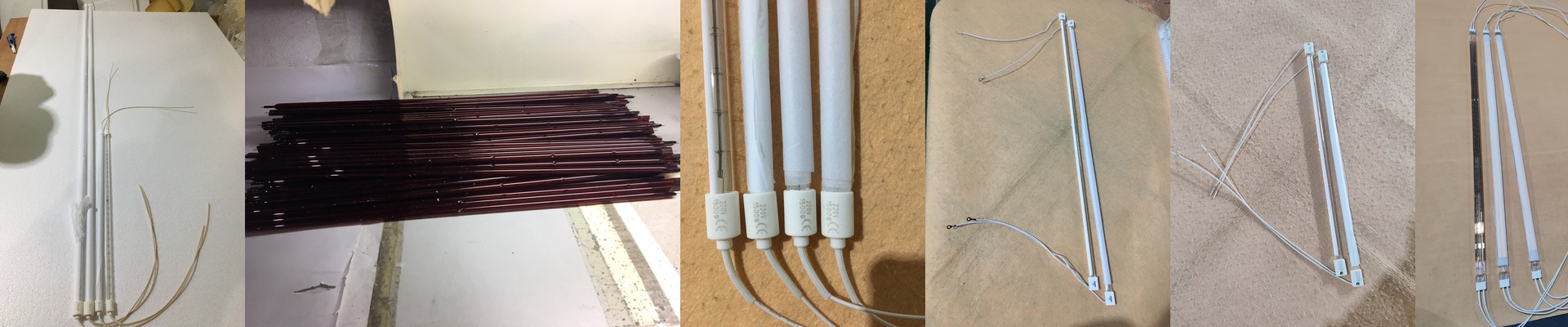
Here is the thing about certified infrared curing lamps: they use high-wattage quartz elements to create shortwave radiation. Instead of gently warming the air, this stuff punches right through the coating. It hits the metal substrate first, heating the part from the inside out. This is huge because it stops “skinning”—that annoying problem where the top layer dries too fast, traps solvents underneath, and ruins the finish.
Getting the Spec Right
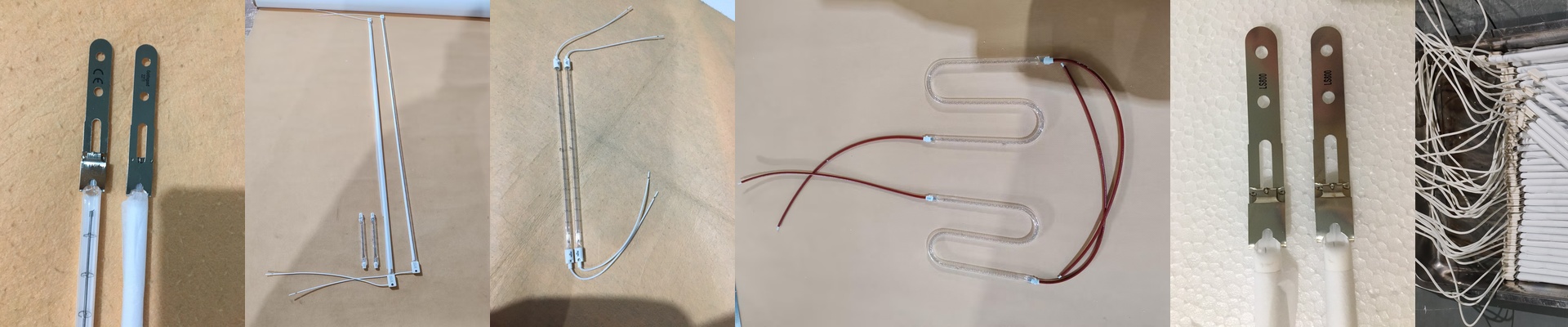
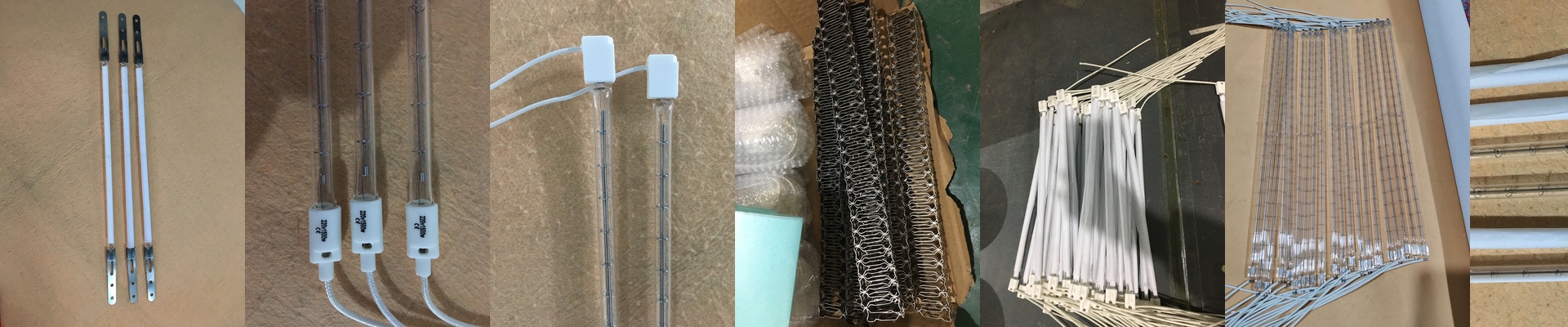
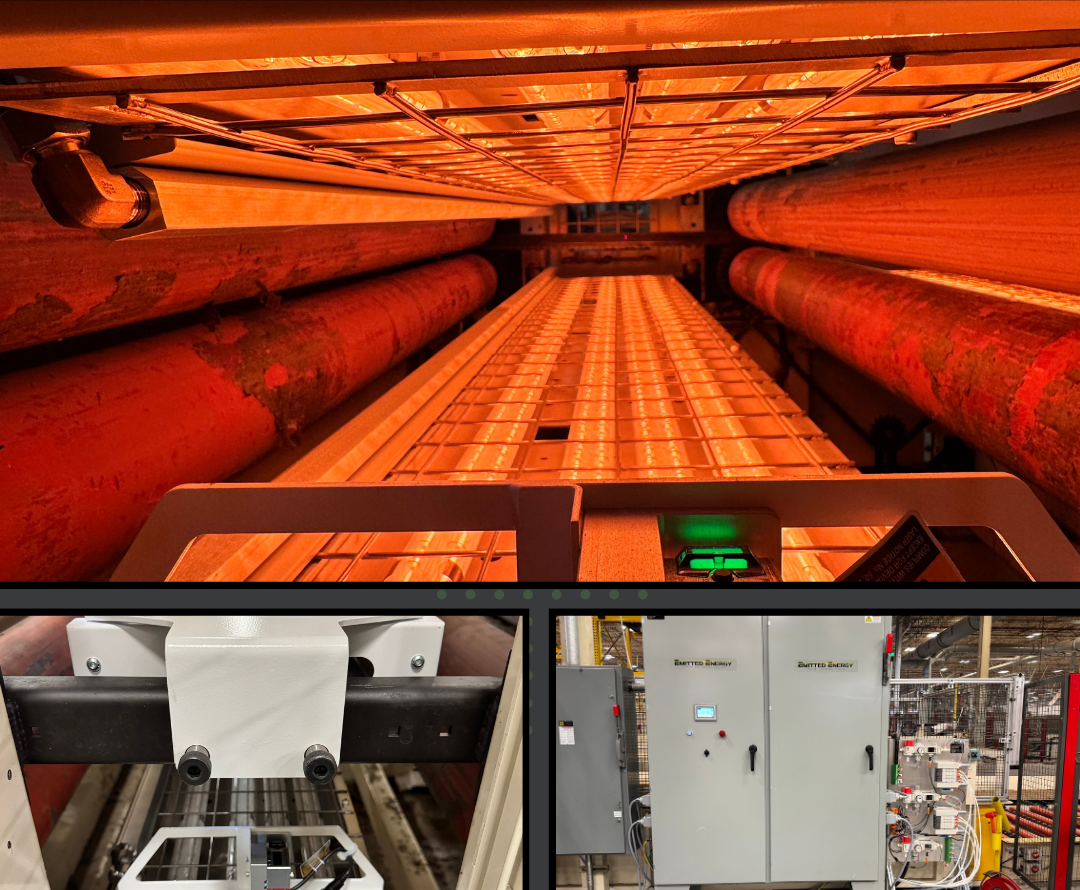
We don’t just guess at the wattage. We look at your line speed. If your conveyor is flying, you need a higher wattage-per-centimeter ratio. You need that heat density to hit the target temperature in a matter of seconds. To make sure the tubes don’t bow or snap under that kind of thermal stress, we use reinforced quartz. But there’s a catch. High-density lamps pull a massive amount of power. You can’t just plug these into a wall outlet and hope for the best. You’ll need a dedicated power supply and a cooling system that can handle the heat buildup, otherwise, your reflectors are going to warp.
Real-World Setup
We build these to be drop-in replacements. Whether you’re using R7s or SK15 connectors, the fit has to be dead-on. A loose connection is a disaster—it creates an arc, and an arc burns out your socket. It’s that simple. Then there’s the gap. The distance between the lamp and the part is everything. Too close? You’ve burnt the paint. Just right? You’ll see your cure times drop by 40%. That’s a lot of extra breathing room in your production schedule.