Shortwave, Mediumwave, or Twin-Tube? Picking the Right IR Setup for Your Metal Work
Here is the truth about IR lamps: there is no such thing as a “perfect” bulb. It all comes down to how your specific material drinks up the heat. In the world of metal finishing, you’re basically in a race against the clock and fighting surface tension.
Let’s talk wavelengths
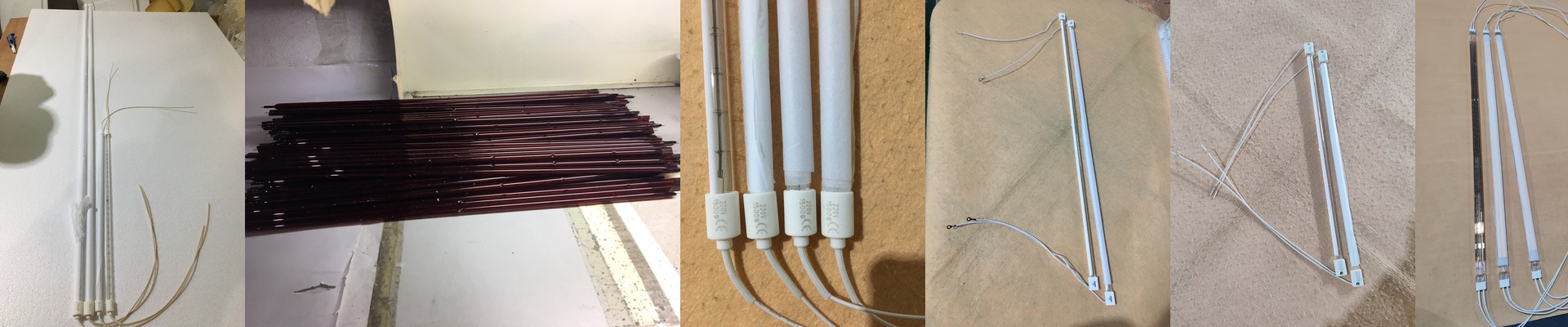
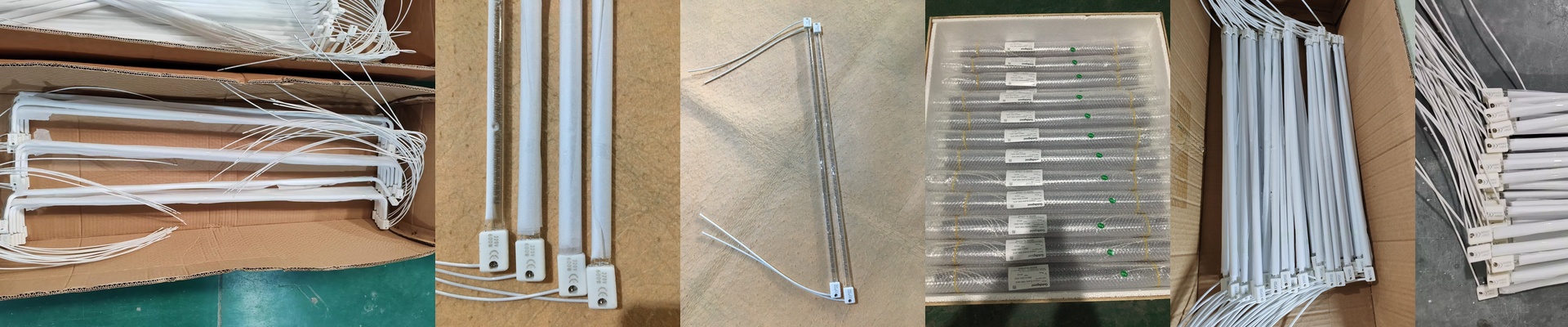
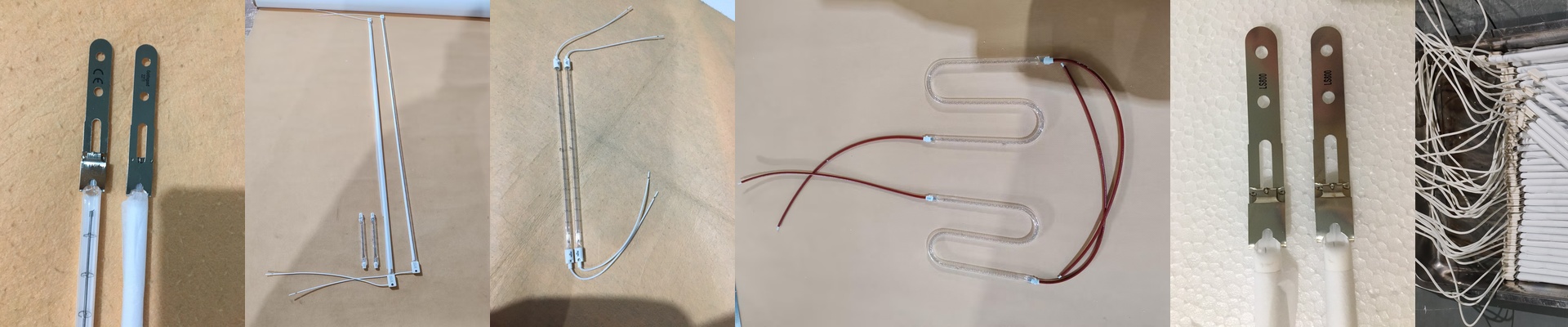
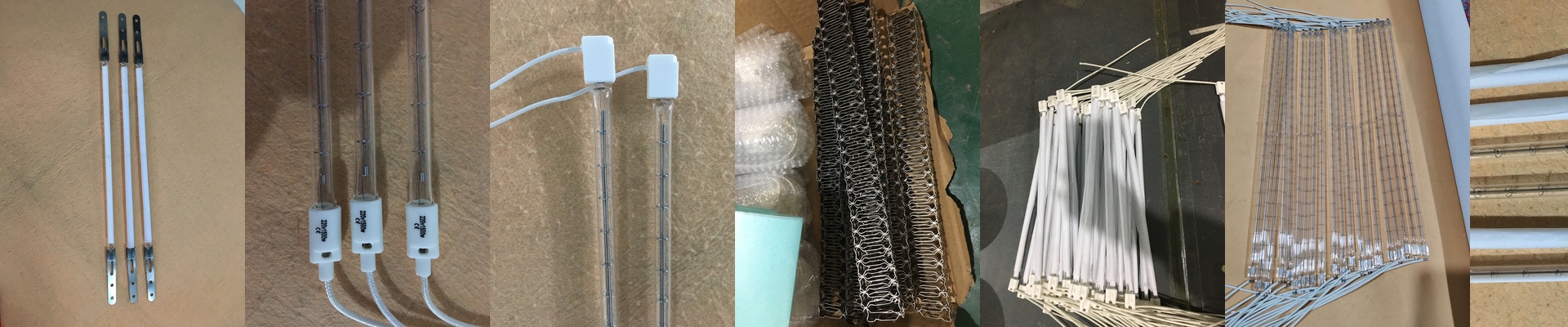
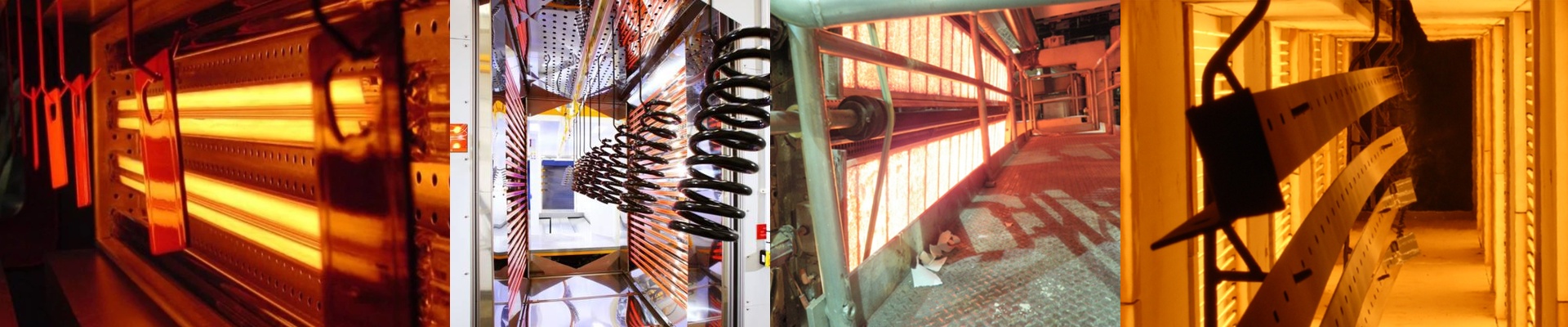
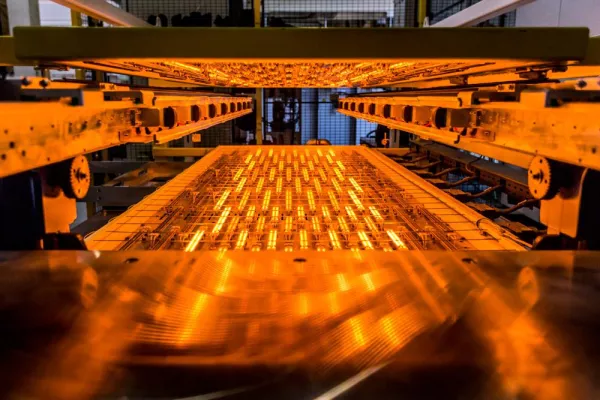
Shortwave IR is the heavy hitter. It hits the surface fast and digs deep. If you’re dealing with thick powder coatings and you need that heat to actually soak into the metal rather than just sitting on top, this is your best bet. It’s aggressive. Mediumwave is a different beast. It stays closer to the surface. I usually recommend this when you need a precise “skin-cure”—where you get the top layer set perfectly without cooking the base metal into oblivion. Then you have twin-tube setups. Think of these as a way to cheat the system. You’re doubling the radiant surface area without needing a bigger machine. More watts per inch means you can either slow down your conveyor or shorten your oven without losing quality. It’s a great way to get more done in the same amount of space.
The trade-offs (because there’s always a catch)
Shortwave lamps run hot. Really hot. You can’t skimp on the cooling systems for the housings, or your reflectors will warp. If the cooling isn’t spot on, you’re just burning through money as your lamps pop prematurely. Mediumwave is more forgiving and spreads heat more evenly, but be patient—they take a bit longer to get up to temperature. And if you go with twin-tubes, keep an eye on your power. You’re cranking up the heat density, which puts a lot more stress on your power supply. Before you flip the switch, make sure your wiring can handle the current draw. Nobody likes a tripped breaker in the middle of a production run.
Which one do you actually need?
If you’re blasting through heavy-gauge steel and need it cured yesterday, go shortwave. Working with thin films or primers that get moody if they get too hot? Stick with mediumwave. But if your production line has a bottleneck and everything is backing up, try swapping your single tubes for twin-tubes. It’s a simple swap that boosts your output without having to tear down and rebuild your entire oven. Just double-check your voltage and connectors before you wire them in, and you’re good to go.