Stop Letting Burnt-Out Lamps Kill Your Profits
Ever notice how a tiny thing—like one single lamp popping—can bring your entire metal finishing line to a grinding halt? It’s frustrating. You aren’t just paying for a new bulb. You’re paying for the silence in the factory. You’re paying for a crew standing around waiting. You’re losing the output of an entire shift. It’s a quiet leak in your budget, and most people just accept it as “part of the job.” But it doesn’t have to be.
The Real Cost of “Just a Quick Swap”
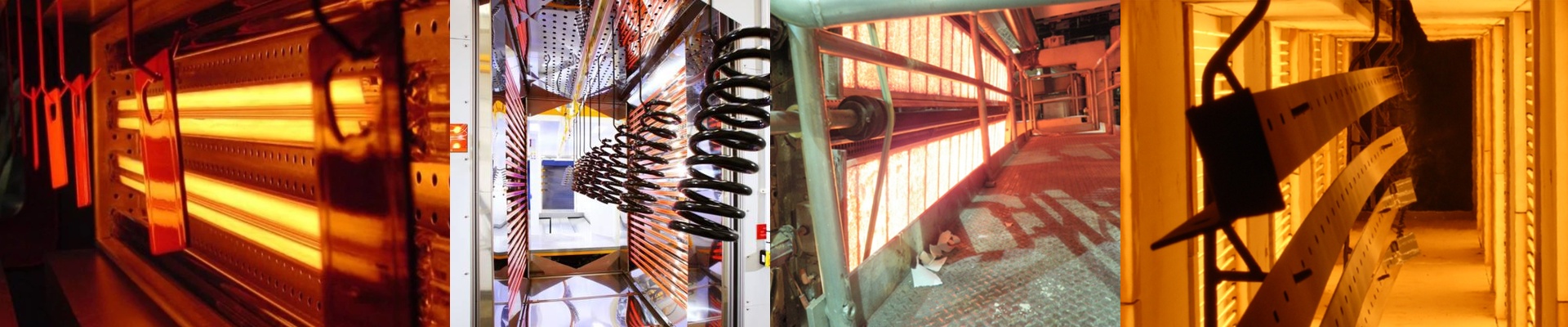
Most plants keep track of what they spend on parts, but they forget to track the time. Think about it. If your team spends 30 minutes swapping a lamp every couple of weeks, those minutes add up to hours of dead air every month. Your machines are sitting there, doing nothing, while the clock keeps ticking. The fix isn’t just buying a cheaper bulb. It’s about finding lamps that can actually handle the constant heating and cooling of a finishing line without giving up the ghost.
The Balancing Act: Heat vs. Lifespan
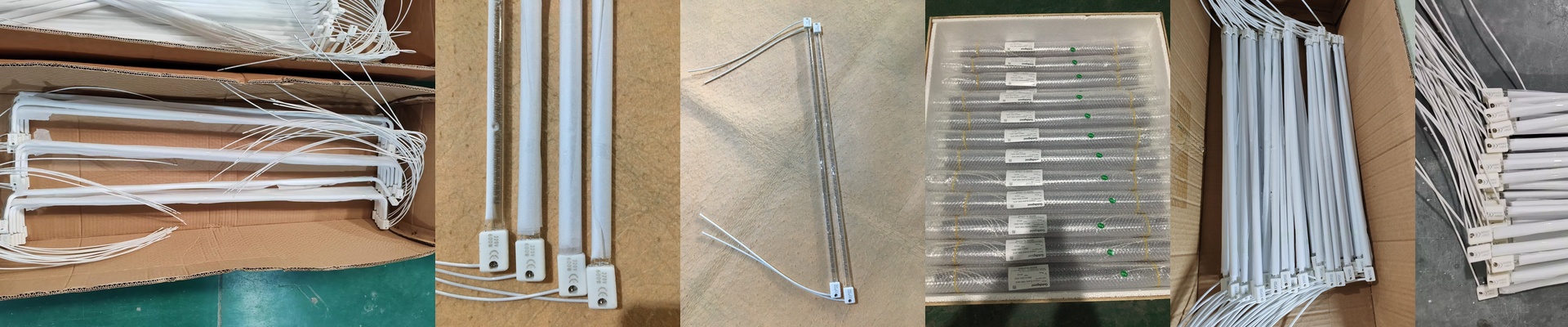
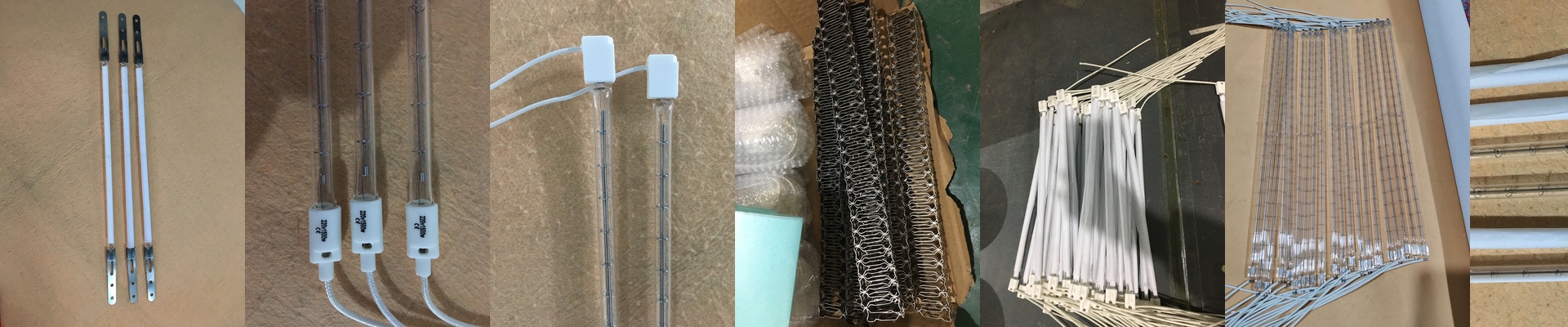
Here is the tricky part. We all want those high-wattage IR lamps because they get things cured and dried fast. But there’s a catch. When you cram that much power into a small quartz envelope, you’re putting a massive amount of stress on the filament. If your cooling system can’t keep up with the heat around the housing, the seals start to degrade. Then, the lamp dies early. It’s a simple chain reaction.
How to Actually Keep the Line Moving
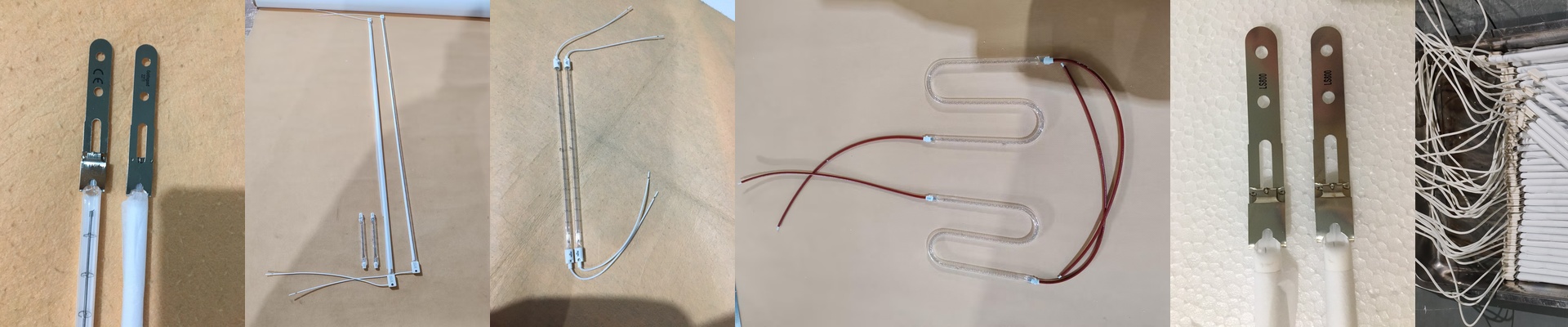
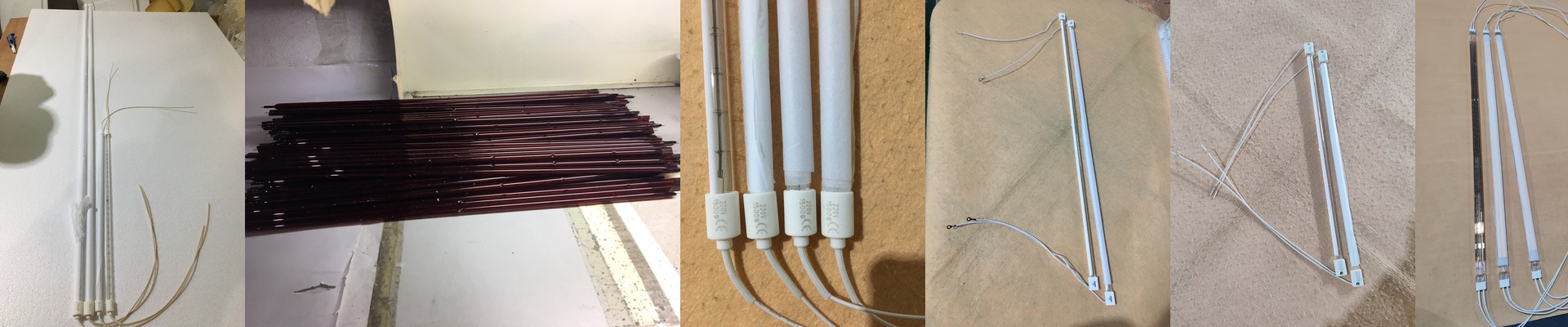
We’re all about making the time between failures as long as possible. One way to do this is by switching to lamps with better filament centering and tougher end-caps. It sounds like a small detail, but it stops those annoying stop-start cycles. Plus, make sure your power supply is stable. Voltage spikes are silent killers—they snap filaments in a heartbeat. If you can drop in a higher grade of quartz, do it. Those can take a beating from the chemicals you’re using in the plant. When you stop the bleeding from these constant lamp changes, you’ll notice something interesting: your throughput goes up. You aren’t buying new machinery; you’re just finally letting the gear you already have actually work.