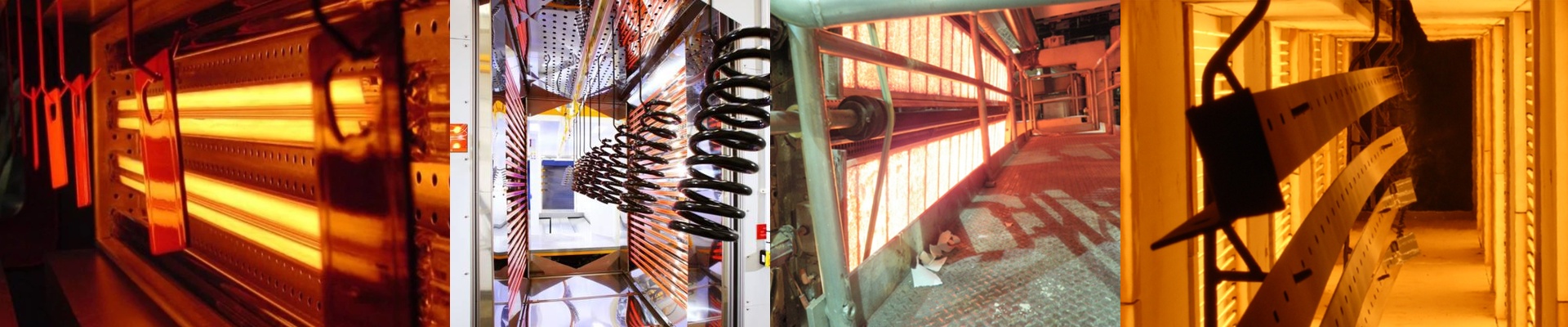
Stop Guessing Your Line Temperature
For a long time, standard long-life halogen lamps have been the workhorses of curing and drying. They get the job done, but they’re basically black boxes. You flip a switch, they get hot, and you just hope they’re working. The problem? You don’t actually know when a lamp starts to fade. If one tube burns out in the middle of a 50-meter line, you probably won’t find out until a batch of product fails QC. That’s a painful way to run a business. We’re finally moving toward a setup where these lamps actually talk back to the PLC.
The magic inside the tube
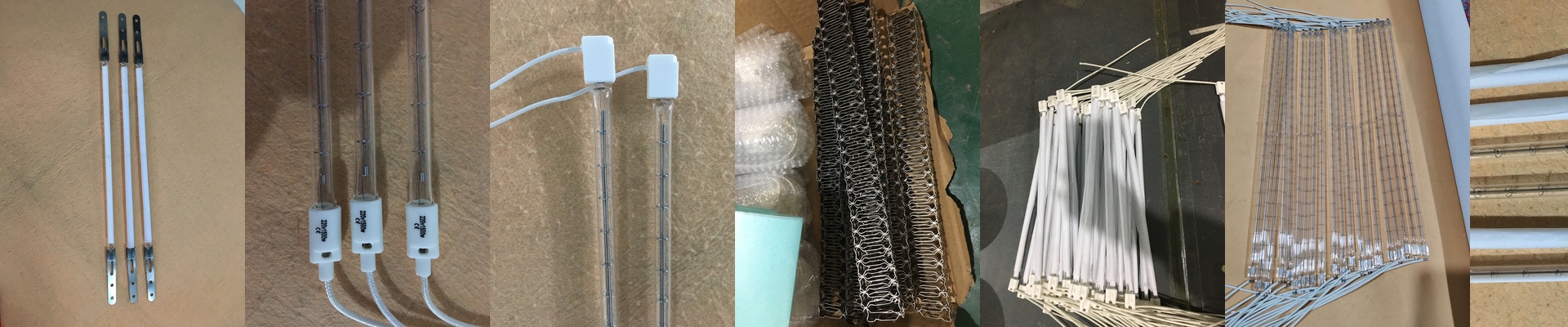
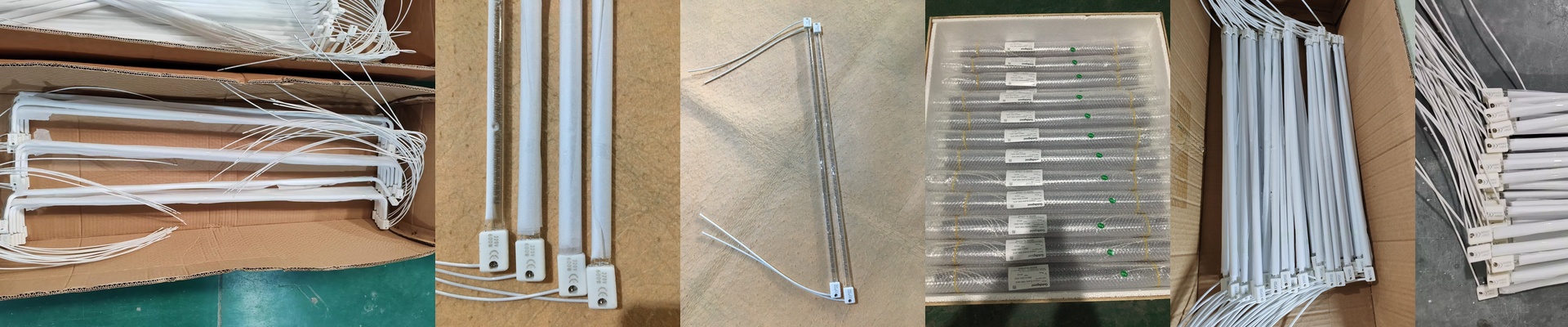
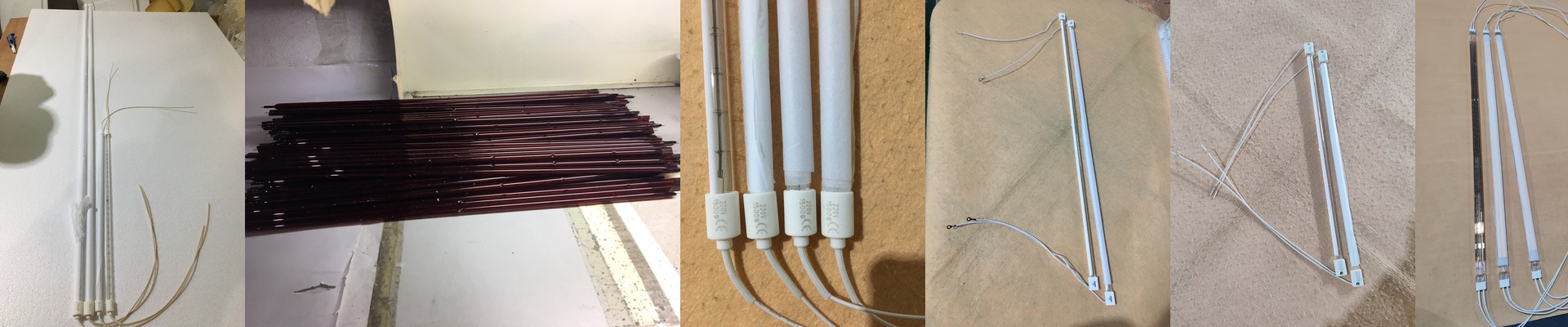
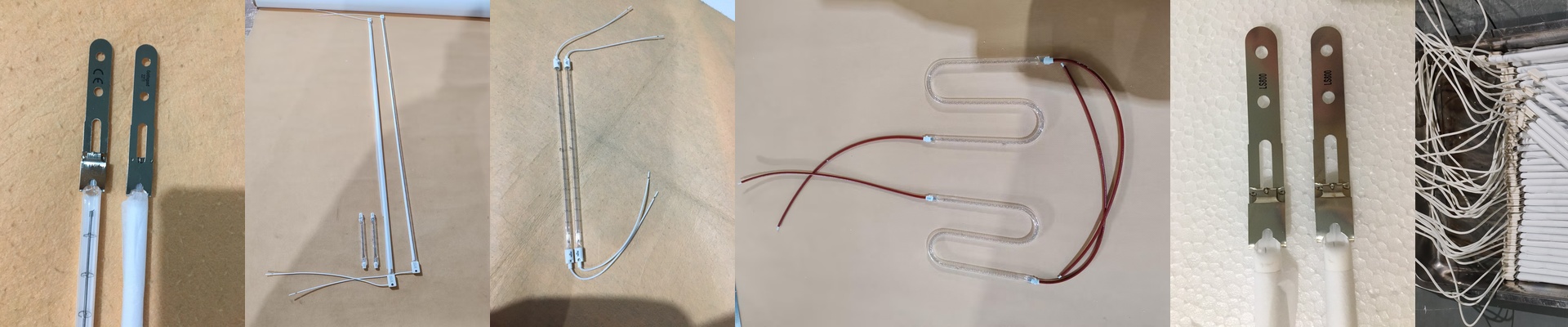
Here is how the physics actually work. These lamps use a halogen cycle to push tungsten back onto the filament. It keeps the glass from getting cloudy and lets the lamps run way longer. When you’re running a coating line, you need a massive hit of heat to flash off solvents without accidentally scorching the material. To make that happen, we use specific quartz glass and special coatings. It shifts the emission spectrum so the heat actually sinks into the coating layer instead of just warming up the air around it.
Lamps that tell you when they’re tired
Over the next few years, we’re going to see sensors built right into the lamp housings or the power supplies. No more walking the line for manual checks. Instead, the system keeps an eye on the current draw and the spectral output in real-time. If a lamp’s output dips by 10%, the system flags it. You can swap it out on your own terms before the whole line grinds to a halt. It turns “fixing things after they break” into “fixing things before they fail.”
The catch (because there’s always one)
Adding brains to a heating element is tricky. Heat kills electronics. Period. You can’t just shove a microprocessor inside a quartz tube that’s hitting 600°C. To get around this, we put the smart tech in the end-caps or the power controller. It does mean your initial setup will take up a bit more space and cost a bit more upfront. You’ll also need to make sure your control cabinets can handle the extra data coming from hundreds of individual lamp nodes. But honestly? It’s worth it. Wire them up for data, not just power, and you can finally stop guessing.